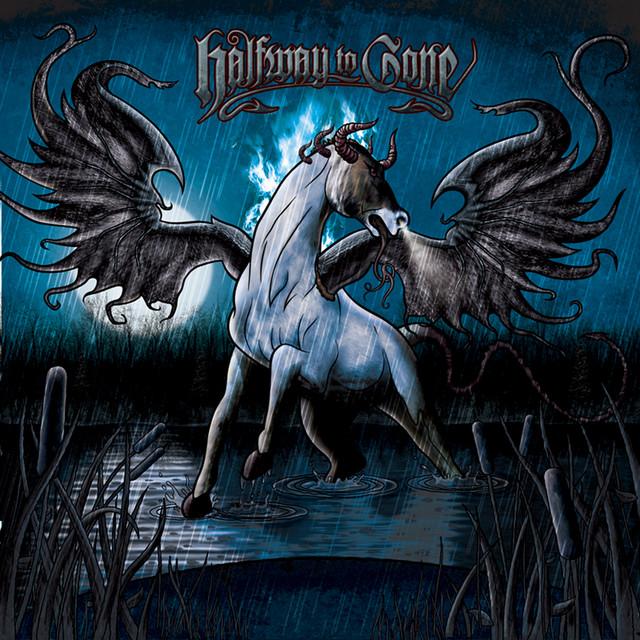
Night Horse

Rock
Hard Rock
Stoner Rock
 Viberate Rank: 610711
 Viberate Rank: 610711
 Monthly ListenersFollowers
 Subscribers
 Followers
 Followers
 FansTop Spotify Songs
| Track | 7-Day Streams | |
|---|---|---|
1 | 34 | |
2 | 33 | |
3 | 24 | |
4 | 10 | |
5 | 7 |
Top YouTube Videos| Video | 7-Day Views | |
|---|---|---|
1 | 2 |
Monthly ListenersFeatured in Playlists| Playlist | Followers | |
|---|---|---|
1 |  Stoner Rock A-Z boogievan | 24.16K |
2 |  psych stoner doom blues rock metal chris | 3.77K |
3 |  MLB The Show 06-26 Soundtrack magickassassin | 3.46K |
4 | Bad To The Bone Maurice Oomen | 3.42K |
5 |  Stoner Rock Radio gfletch32 | 2.35K |
Audience| City | Monthly Listeners | |
|---|---|---|
1 | | 8 |
2 |  | 5 |
3 | | 5 |
4 | | 4 |
5 |  | 4 |
See full performance history, audience data, playlist activity, rankings, comparisons, and more in Viberate music analytics. Start with a free trial, then continue with a paid plan.
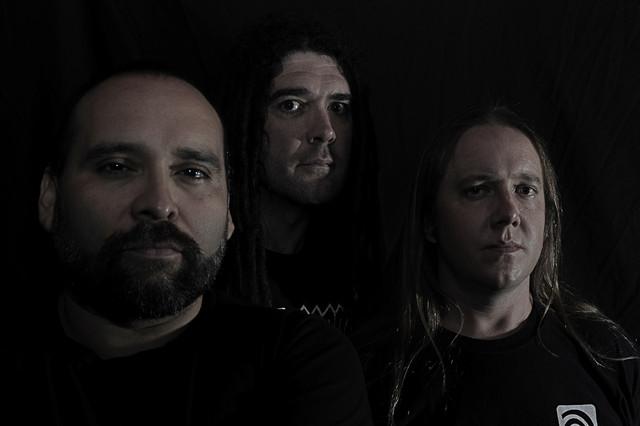
Night Horse’s Spotify BioBluesy California hard rock outfit Night Horse grew out of a shared love of '70s acts like Alice Cooper, John Lee Hooker, Aerosmith, the Allman Brothers, Van Halen, and ZZ Top. Formed in 2008 around the talents of vocalist Sam James Velde (Bluebird), guitar player Greg Buensuceso, drummer Brandon Pierce, bass player Nick D'Itri, and guitarist Justin Maranga, the latter three of whom did time in heavy Los Angeles-based psychedelic rock group Ancestors, Night Horse were originally called the Mother Fucking Razorbacks, a name coined for the act by Motörhead frontman Lemmy Kilmister. After changing its name and settling on a lineup, the band stormed the studio to lay down the tracks for its debut album. The resulting The Dark Won't Hide You arrived in October on Tee Pee Records. The band returned in 2010 with a more Southern rock influenced sound for their second album, Perdition Hymns. ~ James Christopher Monger, Rovi
Viberate is a music analytics platform built for A&Rs, artist managers, labels, booking agents, marketers, and artists.
It helps music professionals track artist growth, analyze audience data, monitor playlist activity, compare artists, follow song performance, and identify opportunities across the music market.
Public artist pages provide a free preview of selected artist data. Paid plans provide access to deeper analytics, historical data, charts, comparisons, playlist tools, exports, alerts, reports, and additional professional features.
Yes. Public Viberate artist pages provide selected artist analytics and music data for free.
Viberate also offers a 7-day free trial of the full platform. A credit card is required to start the trial. The trial includes access to the complete product so users can test deeper artist analytics, historical views, playlist insights, comparisons, charts, exports, alerts, and reporting features before choosing a paid plan.
Viberate provides artist analytics across streaming, playlists, social media, video, radio airplay, songs, and audience markets.
Users can analyze Spotify performance, Spotify and Apple Music playlists, YouTube activity, TikTok and Instagram growth, radio spins, song performance, audience locations, demographics, rankings, and overall artist momentum.
Artist profiles also connect to music charts, similar artists, and comparison tools, helping users benchmark performance and evaluate artists in context.
Viberate updates key artist and track data daily.
For followed artists and tracks, selected data is refreshed multiple times per day. This helps teams monitor playlist changes, streaming movement, audience growth, releases, and campaign performance with more current data.
Update frequency can vary depending on the metric and data source.
Yes. Viberate lets users compare up to five artists side by side across streaming, social media, audience, and engagement metrics.
Users can compare fanbase growth, audience demographics, locations, Spotify performance, social metrics, and other artist data over selected time periods.
Artist comparison can be used for A&R scouting, benchmarking, booking decisions, campaign planning, and evaluating artists with similar audiences or market positions.