Dixie Witch

Rock
Alternative Rock
Stoner Rock
 Viberate Rank: 421195
 Viberate Rank: 421195
 Monthly ListenersFollowers
 Subscribers
 Followers
 Followers
 FansTop Spotify Songs
| Track | 7-Day Streams | |
|---|---|---|
1 | 159 | |
2 | 80 | |
3 | 49 | |
4 | 46 | |
5 | 26 |
Top YouTube VideosMonthly ListenersFeatured in Playlists| Playlist | Followers | |
|---|---|---|
1 |  Stoner Rock A-Z boogievan | 24.16K |
2 | Sons of Anarchy (Television Soundtrack) – Seasons 1-7 Adam Shake | 23.67K |
3 |  BLOODLINE Soundtrack 🎬 Netflix Original Series Daniel van Egmond | 6.74K |
4 | Tobias Gregorsson | 6.40K |
5 |  s/o/a Evan Ashton | 5.42K |
Audience| City | Monthly Listeners | |
|---|---|---|
1 |  | 23 |
2 |  | 12 |
3 |  | 11 |
4 |  | 11 |
5 | | 11 |
See full performance history, audience data, playlist activity, rankings, comparisons, and more in Viberate music analytics. Start with a free trial, then continue with a paid plan.
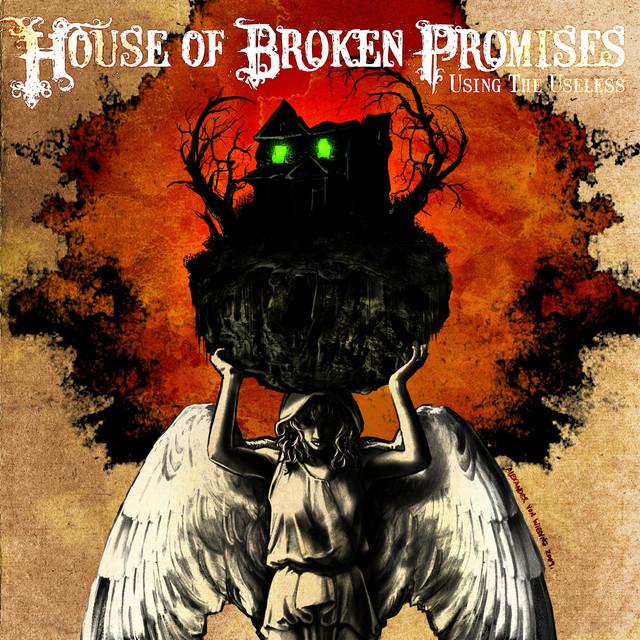
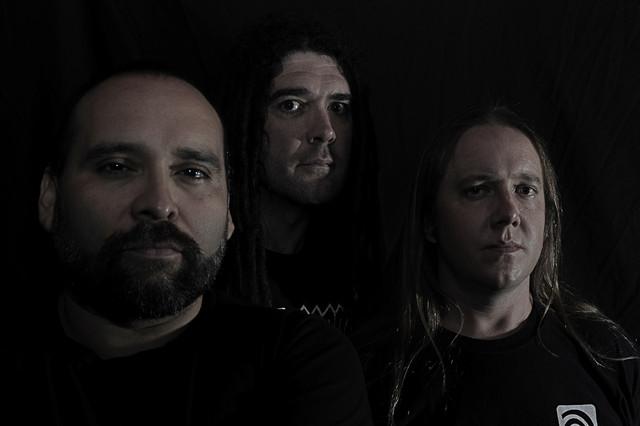
Dixie Witch’s Spotify BioDrawing deep from the well of Southern rock and hard rock in general, Dixie Witch is, fittingly, from Denton, Texas. Trinidad Leal (drums and vocals), Clayton Mills (guitar), and Curt Christensen (bass) have been playing together since 1999. The trio's first record, Into the Sun, was produced by the band for Texas-based Brainticket Records and released in the summer of 2001. After extensive touring, including a stint supporting fellow heavy rockers Alabama Thunder Pussy, Dixie Witch signed with Detroit's Small Stone Records for its 2003 follow-up, One Bird, Two Stones. A third album, Smoke & Mirrors, followed in 2006, and, after touring through America (including multiple appearances at the SXSW music conference and Emissions from the Monolith festival) and visiting Europe for the first time, Dixie Witch recruited new guitarist Joshua “JT” Todd Smith in 2009. Now based in Austin, Texas, the band issued its fourth album, Let it Roll, through Small Stone in the summer of 2011. ~ Wade… Kergan, Rovi
Viberate is a music analytics platform built for A&Rs, artist managers, labels, booking agents, marketers, and artists.
It helps music professionals track artist growth, analyze audience data, monitor playlist activity, compare artists, follow song performance, and identify opportunities across the music market.
Public artist pages provide a free preview of selected artist data. Paid plans provide access to deeper analytics, historical data, charts, comparisons, playlist tools, exports, alerts, reports, and additional professional features.
Yes. Public Viberate artist pages provide selected artist analytics and music data for free.
Viberate also offers a 7-day free trial of the full platform. A credit card is required to start the trial. The trial includes access to the complete product so users can test deeper artist analytics, historical views, playlist insights, comparisons, charts, exports, alerts, and reporting features before choosing a paid plan.
Viberate provides artist analytics across streaming, playlists, social media, video, radio airplay, songs, and audience markets.
Users can analyze Spotify performance, Spotify and Apple Music playlists, YouTube activity, TikTok and Instagram growth, radio spins, song performance, audience locations, demographics, rankings, and overall artist momentum.
Artist profiles also connect to music charts, similar artists, and comparison tools, helping users benchmark performance and evaluate artists in context.
Viberate updates key artist and track data daily.
For followed artists and tracks, selected data is refreshed multiple times per day. This helps teams monitor playlist changes, streaming movement, audience growth, releases, and campaign performance with more current data.
Update frequency can vary depending on the metric and data source.
Yes. Viberate lets users compare up to five artists side by side across streaming, social media, audience, and engagement metrics.
Users can compare fanbase growth, audience demographics, locations, Spotify performance, social metrics, and other artist data over selected time periods.
Artist comparison can be used for A&R scouting, benchmarking, booking decisions, campaign planning, and evaluating artists with similar audiences or market positions.