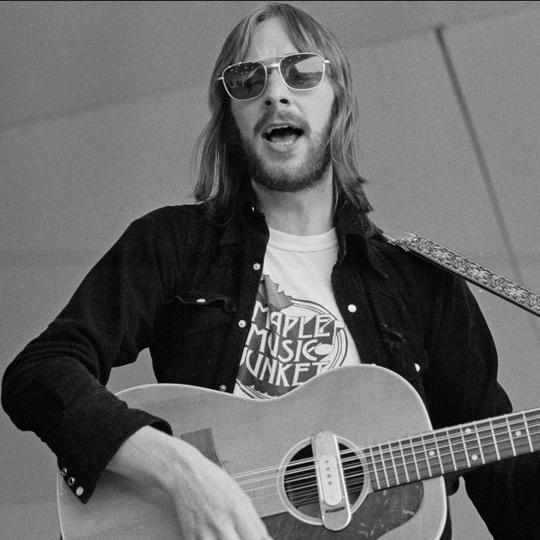
Nick Garrie

Rock
Folk Rock
Progressive Rock
 Viberate Rank: 341966
 Viberate Rank: 341966
 Monthly ListenersFollowers
 Subscribers
 Followers
 Followers
 FansTop Spotify Songs
| Track | 7-Day Streams | |
|---|---|---|
1 | 712 | |
2 | 225 | |
3 | 211 | |
4 | 205 | |
5 | 205 |
Top YouTube VideosMonthly ListenersFeatured in Playlists| Playlist | Followers | |
|---|---|---|
1 | wicks Brennan McDowell | 43.73K |
2 | Unofficial Reverb Radio Jeff Ferruzzo | 21.82K |
3 |  FIP Radio (en live) Matthou | 13.29K |
4 |  Night (Numero Group) Numero Group Concierge | 11.65K |
5 |  Songs 2 Make U Feel Cool Coast Modern | 5.75K |
Audience| City | Monthly Listeners | |
|---|---|---|
1 |  | 91 |
2 | | 90 |
3 | | 87 |
4 | | 79 |
5 | | 48 |
See full performance history, audience data, playlist activity, rankings, comparisons, and more in Viberate music analytics. Start with a free trial, then continue with a paid plan.
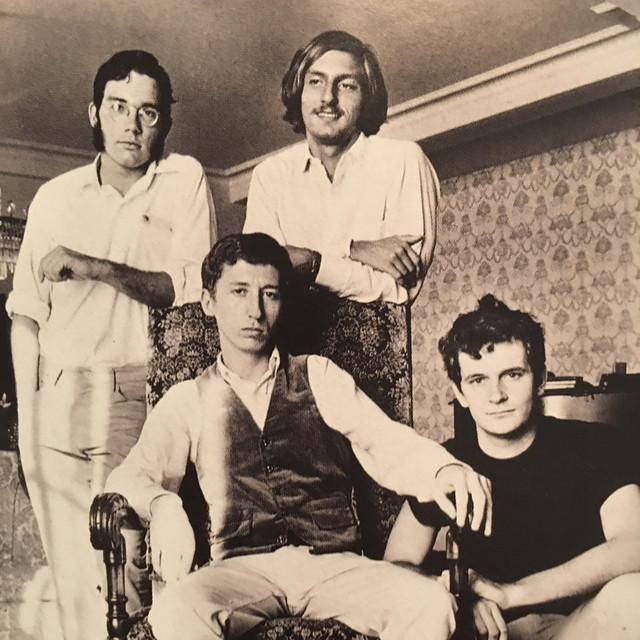
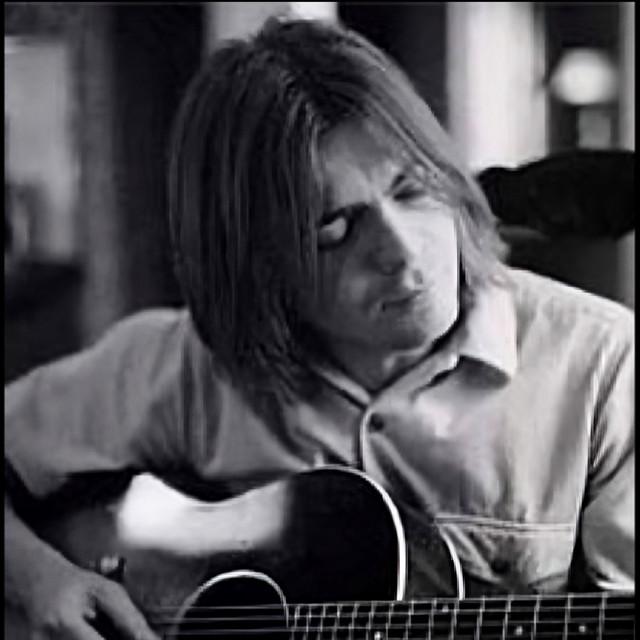
Nick Garrie’s Spotify BioNick Garrie is renowned in psychedelic collectors' circles for his 1970 debut, The Nightmare of J.B. Stanislas, a Baroque pop masterpiece effectively buried by nonexistent distribution and promotion. Born June 22, 1949 in Yorkshire, England to a Russian father and Scottish mother, Garrie spent the majority of his adolescence at a French boarding school. He began writing songs while attending Warwick University, but his interests primarily lay in surrealist literature and poetry; he didn't mount a performing career until 1968, playing bars and restaurants while backpacking through the south of France.
After playing several high-profile Amsterdam gigs, Garrie returned to St. Tropez, where he signed to cut an LP in Brussels. The project was unreleased, and in late summer of 1969 he finally returned to Warwick to resume his studies. A few months later, a friend of his mother arranged for Garrie to meet with the Paris-based label DiscAZ, which extended a contract offer. After recording the… then-unreleased single "Queen of Spades" with American-born producer Mickey Baker (of "Love Is Strange" fame), he teamed with producer Eddie Vartan to begin work on The Nightmare of J.B. Stanislas. Against Garrie's wishes, Vartan hired a 56-piece symphony for the sessions, and the artist (if not the record's admirers) later bemoaned the detrimental effects of such lush orchestration on his delicate, uncommonly literate songs. Far more damaging, DiscAZ president Lucien Morisse committed suicide within days of releasing The Nightmare of J.B. Stanislas, guaranteeing the album never even left the starting blocks.
A crestfallen Garrie returned to school, abandoning the music business for several years. Under the alias Nick Hamilton (a nod to his mother's maiden name), he resurfaced in 1976 with "Un Instant de Vie," a collaboration with Francis Lai, but again retired from performing to manage a ski resort in the Swiss Alps. Oblivious to the growing notoriety of The Nightmare of J.B. Stanislas, he retained the Nick Hamilton name for his 1984 comeback effort, Suitcase Man, recorded with former Cat Stevens sidemen Alun Davies and Gerry Conway. The album topped the Spanish pop charts, and earned its creator an opening slot on Leonard Cohen's Spanish tour later that year.
When the Stanislas track "Wheel of Fortune" appeared on Phil Smee's influential psychedelic pop obscurities compilation Circus Days, the legend of Nick Garrie grew, and with so little concrete information on his career, the fanzine 117 published a fabricated biography as a prank. However, the gag was lost on many and the bio was accepted as fact in many quarters, further muddying the waters. While operating a ballooning company, he released a second Nick Hamilton LP, 1994's The Playing Fields, and in 2002 -- after returning to France to teach at a comprehensive school -- released Twelve Old Songs. Finally, in late 2005 the British reissue label Rev-Ola released The Nightmare of J.B. Stanislas to much critical acclaim, adding the "Queen of Spades" single as well as several unreleased Belgian demos for good measure. Over the next few years, Garrie became more active as a performer, making his first ever U.S. appearance and playing throughout Europe. Working with a crew of Scottish indie notables such as Norman Blake (Teenage Fanclub), Duglas T. Stewart (BMX Bandits), and Ally Kerr, he recorded a set of new songs which appeared on 2009's 49 Arlington Gardens LP, issued by the Elefant label. The following year, Elefant offered their own reissue of The Nightmare of J.B. Stanislas with a host of unreleased and rare bonus tracks. 2012 saw Garrie performing the album in its entirety backed by a string section and members of Scottish folk-rock band Trembling Bells during Barcelona's Primavera Festival. In 2017, Garrie completed his next full-length, a more stripped-down set produced by Ladybug Transistor's Gary Olson and Kyle Forester. The Moon and the Village was released in November of that year by German indie Tapete Records. ~ Jason Ankeny, Rovi
Viberate is a music analytics platform built for A&Rs, artist managers, labels, booking agents, marketers, and artists.
It helps music professionals track artist growth, analyze audience data, monitor playlist activity, compare artists, follow song performance, and identify opportunities across the music market.
Public artist pages provide a free preview of selected artist data. Paid plans provide access to deeper analytics, historical data, charts, comparisons, playlist tools, exports, alerts, reports, and additional professional features.
Yes. Public Viberate artist pages provide selected artist analytics and music data for free.
Viberate also offers a 7-day free trial of the full platform. A credit card is required to start the trial. The trial includes access to the complete product so users can test deeper artist analytics, historical views, playlist insights, comparisons, charts, exports, alerts, and reporting features before choosing a paid plan.
Viberate provides artist analytics across streaming, playlists, social media, video, radio airplay, songs, and audience markets.
Users can analyze Spotify performance, Spotify and Apple Music playlists, YouTube activity, TikTok and Instagram growth, radio spins, song performance, audience locations, demographics, rankings, and overall artist momentum.
Artist profiles also connect to music charts, similar artists, and comparison tools, helping users benchmark performance and evaluate artists in context.
Viberate updates key artist and track data daily.
For followed artists and tracks, selected data is refreshed multiple times per day. This helps teams monitor playlist changes, streaming movement, audience growth, releases, and campaign performance with more current data.
Update frequency can vary depending on the metric and data source.
Yes. Viberate lets users compare up to five artists side by side across streaming, social media, audience, and engagement metrics.
Users can compare fanbase growth, audience demographics, locations, Spotify performance, social metrics, and other artist data over selected time periods.
Artist comparison can be used for A&R scouting, benchmarking, booking decisions, campaign planning, and evaluating artists with similar audiences or market positions.