Nice & Wild

Electronic
Dance
 Viberate Rank: 110636
 Viberate Rank: 110636
 Monthly ListenersFollowers
 Subscribers
 Followers
 Followers
 FansTop Spotify Songs
| Track | 7-Day Streams | |
|---|---|---|
1 | 77.24K | |
2 | 154 | |
3 | 51 | |
4 | 50 | |
5 | 35 |
Top YouTube VideosMonthly ListenersFeatured in Playlists| Playlist | Followers | |
|---|---|---|
1 |  Freestyle - 80s & 90s Michael Echavarria | 58.78K |
2 | Freestyle Greatest Hits 💯! The Interpreter | 56.85K |
3 | Freestyle 80's 12157724166 | 55.06K |
4 | FREESTYLE MUSIC superyosin | 52.41K |
5 | FUNK / OLDIES / OLD SKOOL rayeamiranda | 40.22K |
Audience| City | Monthly Listeners | |
|---|---|---|
1 | | 10.23K |
2 | | 8.73K |
3 | | 5.06K |
4 | | 3.74K |
5 | | 3.58K |
See full performance history, audience data, playlist activity, rankings, comparisons, and more in Viberate music analytics. Start with a free trial, then continue with a paid plan.
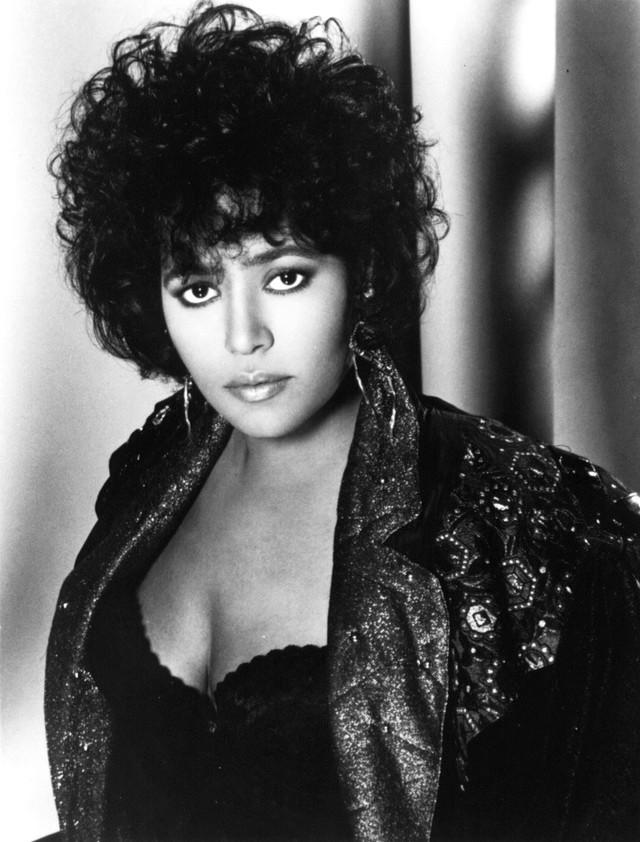
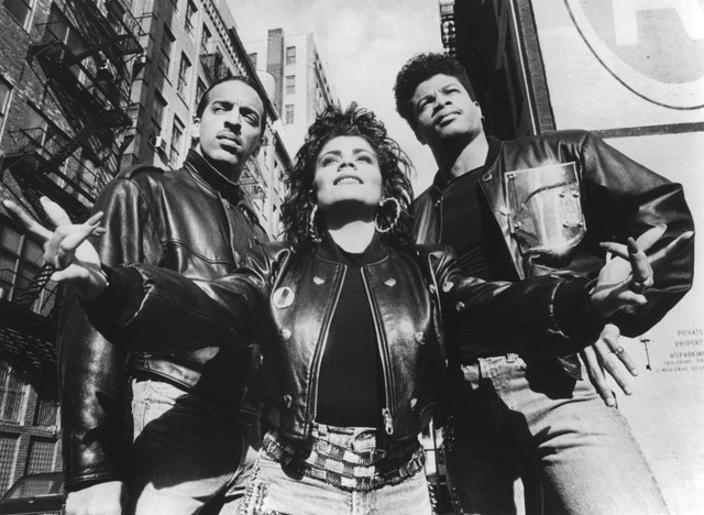
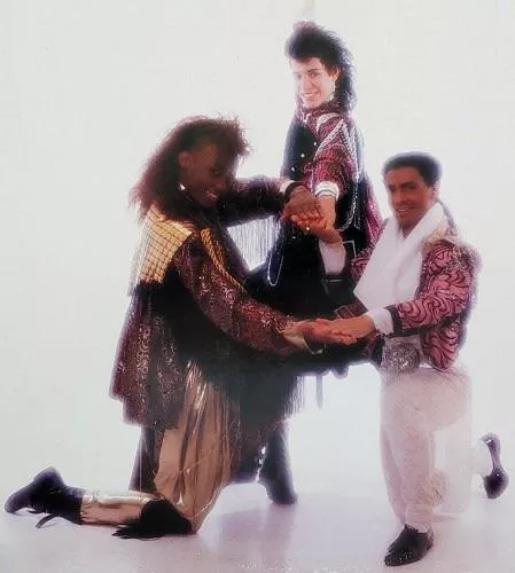
Nice & Wild’s Spotify BioNice & Wild, alternately known as Nice 'N Wild and Nice and Wild, among many other variations, debuted in 1986 with "Diamond Girl," one of the year's biggest Latin freestyle club hits. Produced by Joe Granda and Marvin "Pretty Boy" Floyd, and originally released on the Hialeah Gardens, Florida-based wing of the Top Hits label, the song was picked up by major-label Atlantic and reached the mainstream. The original version was featured on 1987's Energy, Love and Unity, the group's lone Atlantic album. Bobby Chapman, John Minnis, Remy Palacios, Reggie Pierre, and David Torres were credited with vocals, as were Granda and fellow producer Gary Henry, the latter of whom performed most of the album's instrumentation. Nice & Wild briefly resurfaced in 1996 with a second album, Infatuation, which involved Granda and Minnis. ~ Andy Kellman, Rovi
Viberate is a music analytics platform built for A&Rs, artist managers, labels, booking agents, marketers, and artists.
It helps music professionals track artist growth, analyze audience data, monitor playlist activity, compare artists, follow song performance, and identify opportunities across the music market.
Public artist pages provide a free preview of selected artist data. Paid plans provide access to deeper analytics, historical data, charts, comparisons, playlist tools, exports, alerts, reports, and additional professional features.
Yes. Public Viberate artist pages provide selected artist analytics and music data for free.
Viberate also offers a 7-day free trial of the full platform. A credit card is required to start the trial. The trial includes access to the complete product so users can test deeper artist analytics, historical views, playlist insights, comparisons, charts, exports, alerts, and reporting features before choosing a paid plan.
Viberate provides artist analytics across streaming, playlists, social media, video, radio airplay, songs, and audience markets.
Users can analyze Spotify performance, Spotify and Apple Music playlists, YouTube activity, TikTok and Instagram growth, radio spins, song performance, audience locations, demographics, rankings, and overall artist momentum.
Artist profiles also connect to music charts, similar artists, and comparison tools, helping users benchmark performance and evaluate artists in context.
Viberate updates key artist and track data daily.
For followed artists and tracks, selected data is refreshed multiple times per day. This helps teams monitor playlist changes, streaming movement, audience growth, releases, and campaign performance with more current data.
Update frequency can vary depending on the metric and data source.
Yes. Viberate lets users compare up to five artists side by side across streaming, social media, audience, and engagement metrics.
Users can compare fanbase growth, audience demographics, locations, Spotify performance, social metrics, and other artist data over selected time periods.
Artist comparison can be used for A&R scouting, benchmarking, booking decisions, campaign planning, and evaluating artists with similar audiences or market positions.