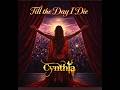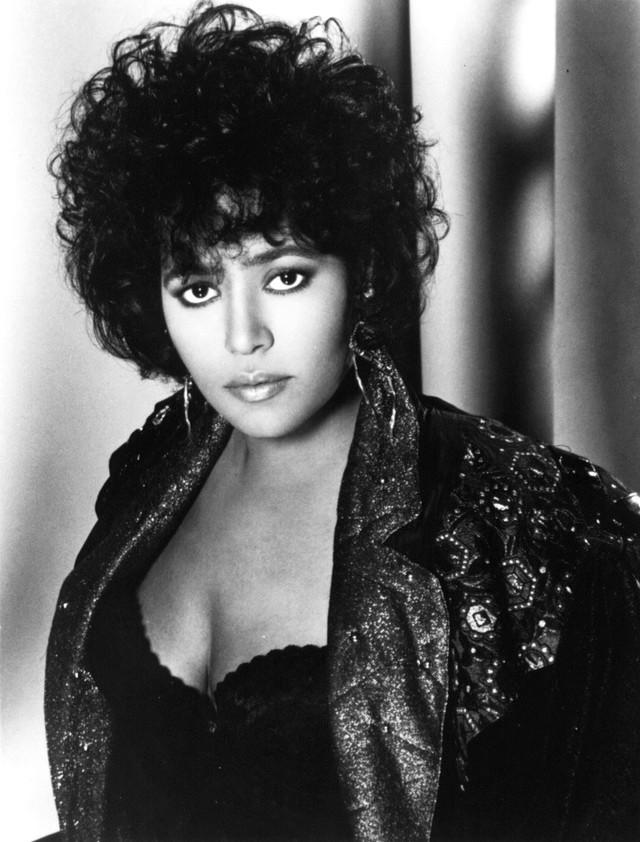
Cynthia

Pop
Mainstream Pop
Dance
 Viberate Rank: 66665
 Viberate Rank: 66665
 Monthly ListenersFollowers
 Subscribers
 Followers
 Followers
 FansTop Spotify Songs
| Track | 7-Day Streams | |
|---|---|---|
1 | 47.67K | |
2 | 28.16K | |
3 | 24.97K | |
4 | 11.58K | |
5 | 10.26K |
Top YouTube VideosMonthly ListenersFeatured in Playlists| Playlist | Followers | |
|---|---|---|
1 |  Lagu warnet 2000an AIN'T SHIT | 109.61K |
2 |  Freestyle - 80s & 90s Michael Echavarria | 58.78K |
3 | Freestyle Greatest Hits 💯! The Interpreter | 56.85K |
4 | Freestyle 80's 12157724166 | 55.06K |
5 | FREESTYLE MUSIC superyosin | 52.41K |
Audience| City | Monthly Listeners | |
|---|---|---|
1 | | 9.85K |
2 | | 6.53K |
3 | | 6.51K |
4 | | 4.82K |
5 | | 4.57K |
See full performance history, audience data, playlist activity, rankings, comparisons, and more in Viberate music analytics. Start with a free trial, then continue with a paid plan.
Cynthia’s Spotify BioDance/freestyle artist Cynthia began her career in 1987, shortly after mentioning to fellow up and coming freestylist Safire her desire to give music shot, who in turn helped hook her friend up with several auditions. One such try out was with producer Mickey Garcia, who was so impressed that he recommended that his boss at MicMac Records check out Cynthia's talents. Shortly thereafter, she was signed to a five year contract. In the ensuing period, Cynthia issued a pair of albums -- a self titled debut which featured such singles as "Change on Me," "Endless Night," and "Thief of Hearts," as well as Cynthia II, which spawned the singles "Love Me Tonight," and a duet with Johnny O, "Dream Boy/Dream Girl." 1995 saw the release of The Remixes, which contained reworkings of her best-known tracks.
Despite a fruitful relationship with MicMac, Cynthia declined to record any more albums for the label, sensing that she should branch out into other musical styles (she correctly felt that freestyle… would soon decline in popularity). By the mid-'90s, Cynthia decided to put music on hold momentarily as she returned to school (to pursue a degree in nursing), but ultimately returned back to music. After being introduced to producers Joey Gardner and Tony Moran, the duo signed Cynthia to the Tommy Boy label. Her first release on her knew label, the single "How I Love Him" (which included a cameo from K7 from the Swing Kids) signaled that Cynthia's music was going into more of a club music direction, resulting in another single -- a 12" titled "Like a Star," which featured remixes by Todd Terry. Although Cynthia was rumored to be working on an all new album with "Like a Star" serving as its title track, the album never materialized and little has been heard from her since. 2001 saw the release of the 12-track collection, Cynthia's Greatest Hits. ~ Greg Prato, Rovi
Viberate is a music analytics platform built for A&Rs, artist managers, labels, booking agents, marketers, and artists.
It helps music professionals track artist growth, analyze audience data, monitor playlist activity, compare artists, follow song performance, and identify opportunities across the music market.
Public artist pages provide a free preview of selected artist data. Paid plans provide access to deeper analytics, historical data, charts, comparisons, playlist tools, exports, alerts, reports, and additional professional features.
Yes. Public Viberate artist pages provide selected artist analytics and music data for free.
Viberate also offers a 7-day free trial of the full platform. A credit card is required to start the trial. The trial includes access to the complete product so users can test deeper artist analytics, historical views, playlist insights, comparisons, charts, exports, alerts, and reporting features before choosing a paid plan.
Viberate provides artist analytics across streaming, playlists, social media, video, radio airplay, songs, and audience markets.
Users can analyze Spotify performance, Spotify and Apple Music playlists, YouTube activity, TikTok and Instagram growth, radio spins, song performance, audience locations, demographics, rankings, and overall artist momentum.
Artist profiles also connect to music charts, similar artists, and comparison tools, helping users benchmark performance and evaluate artists in context.
Viberate updates key artist and track data daily.
For followed artists and tracks, selected data is refreshed multiple times per day. This helps teams monitor playlist changes, streaming movement, audience growth, releases, and campaign performance with more current data.
Update frequency can vary depending on the metric and data source.
Yes. Viberate lets users compare up to five artists side by side across streaming, social media, audience, and engagement metrics.
Users can compare fanbase growth, audience demographics, locations, Spotify performance, social metrics, and other artist data over selected time periods.
Artist comparison can be used for A&R scouting, benchmarking, booking decisions, campaign planning, and evaluating artists with similar audiences or market positions.