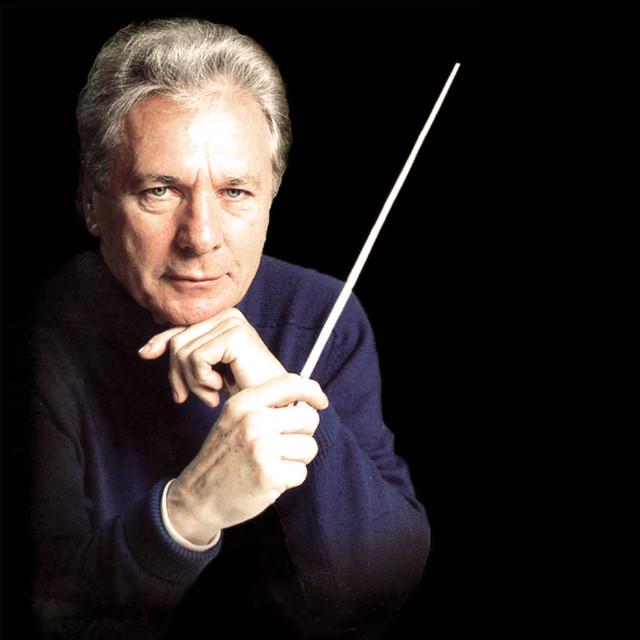
Nic Raine

Classical
Orchestral
Chamber Music
 Viberate Rank: 84997
 Viberate Rank: 84997
 Monthly ListenersFollowers
 Subscribers
 Followers
 Followers
 FansTop Spotify Songs
| Track | 7-Day Streams | |
|---|---|---|
1 | 47.49K | |
2 | 47.49K | |
3 | 29.90K | |
4 | 20.98K | |
5 | 8.19K |
Top YouTube VideosMonthly ListenersFeatured in Playlists| Playlist | Followers | |
|---|---|---|
1 |  Movie Soundtracks & Cinematic Music (Classical & Instrumental) Tobias Schneider | 217.43K |
2 | Best Soundtracks of All Time Suntzu | 173.03K |
3 |  Red Dead Redemption 2 VCON | 144.13K |
4 |  Best Orchestral Classics 🎻🎺🔥 Classical Vibes | 128.87K |
5 | Best of The Lord of the Rings Trilogy Landenrot | 86.93K |
Audience| City | Monthly Listeners | |
|---|---|---|
1 | | 2.43K |
2 |  | 2.42K |
3 |  | 1.95K |
4 |  | 1.87K |
5 |  | 1.67K |
See full performance history, audience data, playlist activity, rankings, comparisons, and more in Viberate music analytics. Start with a free trial, then continue with a paid plan.
Nic Raine’s Spotify BioA composer of film and television music in his own right, Nic Raine is best known among colleagues for his decades of work as an orchestrator and conductor of film scores. He collaborated with John Barry for over 20 years, and his other credits span Vangelis, Paul McCartney, and Wallace & Gromit.
Born in London, England, Raine studied piano, organ, guitar, and double bass in his youth. He began to find work orchestrating music for the screen in the early '80s, eventually landing a position in the music department of the James Bond film A View to Kill, released in 1985. It was his first of many jobs orchestrating for composer John Barry, and included the Bond film The Living Daylights (1987), Chaplin (1992), and Cry the Beloved Country (1995). During that period, he orchestrated many other projects, including the Liverpool Oratorio (1991) for Carl Davis and Paul McCartney, and Wallace & Gromit animated shorts.
Raine composed music of his own for several film-themed TV documentaries in the… '90s, including an episode of PBS' American Masters on D.W. Griffith. Similarly, in 2000, scored the Turner Classic Movies documentary Lon Chaney: A Thousand Faces. Among assignments the following year, he orchestrated John Barry's music for the Michael Apted drama Enigma. He was also a key architect in a new digital recording of Barry's complete score to The Lion in Winter, orchestrating and conducting the City of Prague Symphony Orchestra. It was released on CD by Silva America. His other reconstruction and re-recording projects have included Charlie Chaplin shorts, Miklos Rozsa’s The Private Life of Sherlock Holmes, and Barry films such as Robin & Marian.
Highlights of his orchestrations in the 2000s include Alexander (2004), The Curse of the Were-Rabbit (2005), and Star Wars: The Clone Wars (2008). In 2010, Raine co-founded the Klassik Radio Pops Orchestra in Germany, and his composing work could be heard in the Swiss thriller The Impasse of Desire. He also wrote original scores for a handful of German films including 2012's Shores of Hope (Wir Wollten Aufs Meer) and the 2013 made-for-TV movie The Beautiful Spy. In 2014, he released an album of "music inspired by the pure soul of animals" titled Anima Pura for the New World Music label. Subsequent film work included conducting and orchestrations for Shigeru Umebayashi's Crouching Tiger, Hidden Dragon: Sword of Destiny (2016). ~ Marcy Donelson, Rovi
Viberate is a music analytics platform built for A&Rs, artist managers, labels, booking agents, marketers, and artists.
It helps music professionals track artist growth, analyze audience data, monitor playlist activity, compare artists, follow song performance, and identify opportunities across the music market.
Public artist pages provide a free preview of selected artist data. Paid plans provide access to deeper analytics, historical data, charts, comparisons, playlist tools, exports, alerts, reports, and additional professional features.
Yes. Public Viberate artist pages provide selected artist analytics and music data for free.
Viberate also offers a 7-day free trial of the full platform. A credit card is required to start the trial. The trial includes access to the complete product so users can test deeper artist analytics, historical views, playlist insights, comparisons, charts, exports, alerts, and reporting features before choosing a paid plan.
Viberate provides artist analytics across streaming, playlists, social media, video, radio airplay, songs, and audience markets.
Users can analyze Spotify performance, Spotify and Apple Music playlists, YouTube activity, TikTok and Instagram growth, radio spins, song performance, audience locations, demographics, rankings, and overall artist momentum.
Artist profiles also connect to music charts, similar artists, and comparison tools, helping users benchmark performance and evaluate artists in context.
Viberate updates key artist and track data daily.
For followed artists and tracks, selected data is refreshed multiple times per day. This helps teams monitor playlist changes, streaming movement, audience growth, releases, and campaign performance with more current data.
Update frequency can vary depending on the metric and data source.
Yes. Viberate lets users compare up to five artists side by side across streaming, social media, audience, and engagement metrics.
Users can compare fanbase growth, audience demographics, locations, Spotify performance, social metrics, and other artist data over selected time periods.
Artist comparison can be used for A&R scouting, benchmarking, booking decisions, campaign planning, and evaluating artists with similar audiences or market positions.