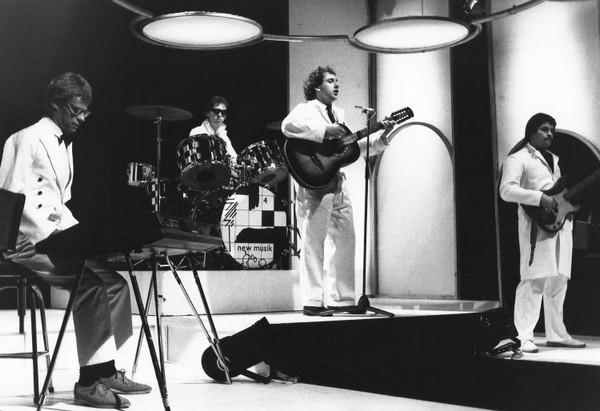
New Musik

Rock
Pop Rock
Synthpop
 Viberate Rank: 126292
 Viberate Rank: 126292
 Monthly ListenersFollowers
 Subscribers
 Followers
 Followers
 FansTop Spotify Songs
| Track | 7-Day Streams | |
|---|---|---|
1 | 4.55K | |
2 | 2.66K | |
3 | 2.53K | |
4 | 899 | |
5 | 726 |
Top YouTube VideosMonthly ListenersFeatured in Playlists| Playlist | Followers | |
|---|---|---|
1 | 80's New Wave Pascal Amiaud | 31.89K |
2 | Best of 80s, 70s, 60s, 90s, 00s, 2010s Arthur Cnudde | 25.72K |
3 |  Ska, Mod, Punk and New Wave Mr Generation X | 20.91K |
4 |  80's SynthPop Classics WaveChick | 17.82K |
5 |  Ekdom's Platenkast Gerard Ekdom | 16.15K |
Audience| City | Monthly Listeners | |
|---|---|---|
1 | | 1.45K |
2 | | 741 |
3 |  | 414 |
4 | | 368 |
5 |  | 363 |
See full performance history, audience data, playlist activity, rankings, comparisons, and more in Viberate music analytics. Start with a free trial, then continue with a paid plan.
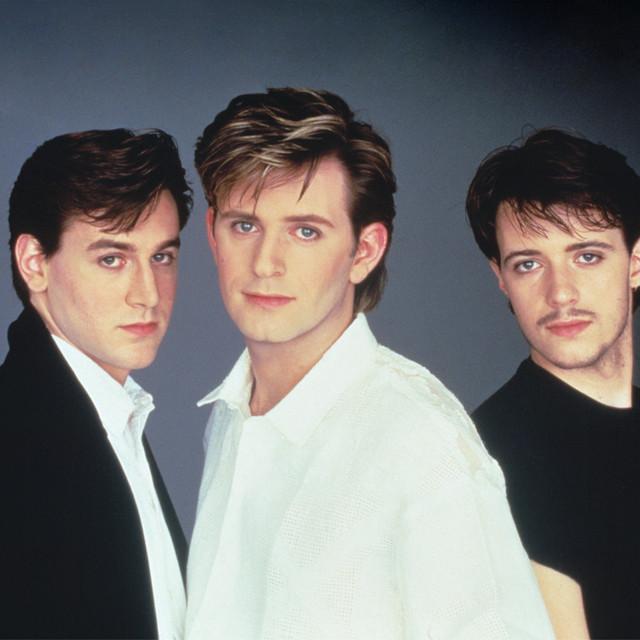
New Musik’s Spotify BioNew Musik's near-total lack of commercial acceptance is one of the great mysteries of the early '80s. Their music, rooted in classic pop songwriting but with a forward-looking interest in shiny electronics, is both instantly accessible and coolly forbidding. Their 1980 album, From A to B, is a lost classic of the early new wave era, and 1982's Warp is an almost-all-electronic album that sounds like a perfect meeting between Thomas Dolby and Kraftwerk. Their risk-taking approach didn't lead to massive success, but their influence can be felt in many bands, both from their era and after it, who combine gleaming pop hooks, chiming guitars, and synths.
New Musik formed in 1977, growing out of a casual band of south London school friends who jammed together under the name End of the World; singer and guitarist Tony Mansfield, keyboardist Nick Straker, and bassist Tony Hibbert drafted drummer Phil Towner, who had played on the Buggles' "Video Killed the Radio Star." Straker soon left the… nascent group and was replaced by Clive Gates, who had played with Mansfield in an early-'70s band called Reeman Zeegus. Rather than hotly pursue a record deal, the newly christened New Musik wisely chose to hone their craft first. Working during downtime at a south London studio where Mansfield was informally employed as a session musician and apprentice engineer, the foursome recorded most of what would become their first album before approaching the British label GTO with the finished master tape. They used state of the art gear on the songs, including a Prophet 5 synthesizer which, when mixed with guitars and vocal harmonies gave the group a sound that was stuck somewhere between the classic pop structures of the British Invasion and the cold, crisp sonic textures of new wave. GTO released the first New Musik single, "Straight Lines," in August 1979 and it almost reached the Top 40 of the U.K. singles chart; its follow-up, January 1980's "Living by Numbers" stalled just outside of the Top Ten. After one more Top 40 single, "World of Water," the group's debut From A to B was issued in May. The album's singles, plus the catchy melodies and up-to-date sound of the rest of the record, propelled it into the Top 40, and they set out on their first tour of the U.K. soon after its release. When the group returned to the studio to record their second album, they were influenced more by the music around at the time -- YMO, Talking Heads, XTC -- than the music of their youth; this modern focus gave 1981's Anywhere an avant-garde feel, relying more on drum machines, vocoder, and moodier atmospheres, but they also added Mansfield's 12-string electric guitar to the mix. Though there was no drop-off in the artistic department, both the album and its attendant singles failed to register highly in the charts, and after a short tour the band splintered.
Hibbert and Towner both left, and Mansfield and Gates recorded a third and final New Musik album as a duo with a hired drummer. Unlike From A to B and Anywhere, which blended synthesizers with acoustic guitars, live percussion, and other classic pop elements, 1982's Warp is one of the first albums to be recorded primarily with digital samplers and emulators. Despite this interesting angle and the continued artistic prowess of the group, New Musik split again after this album as Mansfield's sideline career as a producer started taking more of his time. Through the first half of the '80s, Mansfield produced hit singles for Naked Eyes, Mari Wilson, the B-52s, After the Fire, and worked on a-ha's Hunting High and Low album. The group's albums were reissued many times over they years; 2023's From A to B: The Sony Years box set on Lemon Recordings contains all three albums plus a disc of single edits, remixes, and B-sides. ~ Stewart Mason & Tim Sendra, Rovi
Viberate is a music analytics platform built for A&Rs, artist managers, labels, booking agents, marketers, and artists.
It helps music professionals track artist growth, analyze audience data, monitor playlist activity, compare artists, follow song performance, and identify opportunities across the music market.
Public artist pages provide a free preview of selected artist data. Paid plans provide access to deeper analytics, historical data, charts, comparisons, playlist tools, exports, alerts, reports, and additional professional features.
Yes. Public Viberate artist pages provide selected artist analytics and music data for free.
Viberate also offers a 7-day free trial of the full platform. A credit card is required to start the trial. The trial includes access to the complete product so users can test deeper artist analytics, historical views, playlist insights, comparisons, charts, exports, alerts, and reporting features before choosing a paid plan.
Viberate provides artist analytics across streaming, playlists, social media, video, radio airplay, songs, and audience markets.
Users can analyze Spotify performance, Spotify and Apple Music playlists, YouTube activity, TikTok and Instagram growth, radio spins, song performance, audience locations, demographics, rankings, and overall artist momentum.
Artist profiles also connect to music charts, similar artists, and comparison tools, helping users benchmark performance and evaluate artists in context.
Viberate updates key artist and track data daily.
For followed artists and tracks, selected data is refreshed multiple times per day. This helps teams monitor playlist changes, streaming movement, audience growth, releases, and campaign performance with more current data.
Update frequency can vary depending on the metric and data source.
Yes. Viberate lets users compare up to five artists side by side across streaming, social media, audience, and engagement metrics.
Users can compare fanbase growth, audience demographics, locations, Spotify performance, social metrics, and other artist data over selected time periods.
Artist comparison can be used for A&R scouting, benchmarking, booking decisions, campaign planning, and evaluating artists with similar audiences or market positions.