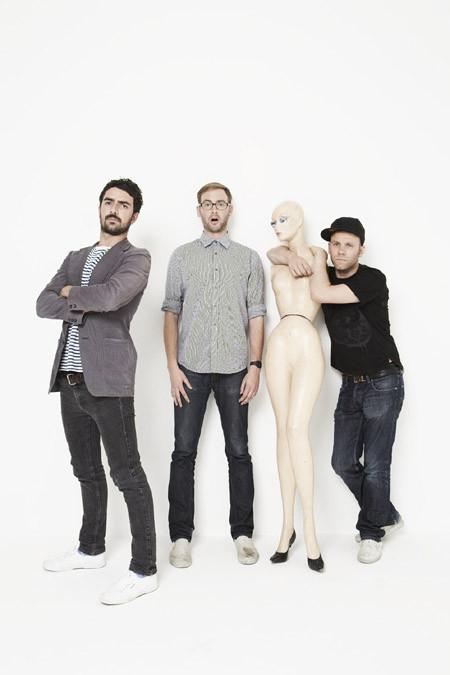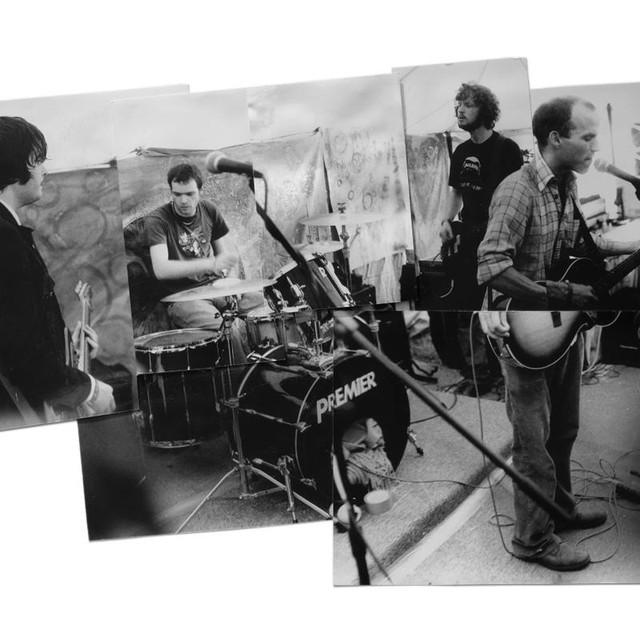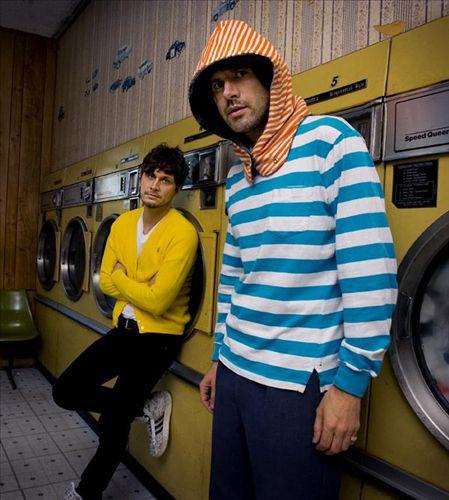
Neon Neon

Pop
Indie Pop
Dance
 Viberate Rank: 254578
 Viberate Rank: 254578
 Monthly ListenersFollowers
 Subscribers
 Followers
 Followers
 FansTop Spotify Songs
| Track | 7-Day Streams | |
|---|---|---|
1 | 514 | |
2 | 510 | |
3 | 454 | |
4 | 406 | |
5 | 147 |
Top YouTube Videos| Video | 7-Day Views | |
|---|---|---|
1 | 1 | |
2 | 1 |
Monthly ListenersFeatured in Playlists| Playlist | Followers | |
|---|---|---|
1 | While You Work (@whileyouwork) Eli Feghali | 81.75K |
2 |  Made in Wales Spotify | 72.69K |
3 |  Off Your Face anton newcombe | 5.86K |
4 |  KCRW Morning Becomes Eclectic Juan Vargas | 5.59K |
5 | Synthwave & Similar Kyle | 5.46K |
Audience| City | Monthly Listeners | |
|---|---|---|
1 | | 300 |
2 | | 137 |
3 |  | 116 |
4 |  | 97 |
5 | | 89 |
See full performance history, audience data, playlist activity, rankings, comparisons, and more in Viberate music analytics. Start with a free trial, then continue with a paid plan.
Neon Neon’s Spotify BioA collaboration between Super Furry Animal's Gruff Rhys and left-field hip-hop producer Boom Bip -- who first worked together in 2005 when Rhys added vocals to "Do's & Don'ts" from Boom Bip's Blue Eyed in the Red Room -- Neon Neon play warm, dancey music informed by '80s new wave, Prince, and Kraftwerk, among others, while also calling on the contributions of artists like Spank Rock, Yo Majesty, Har Mar Superstar, and the Magic Numbers to fill out their sound. They began recording their debut album in the summer of 2006, playing a finalized version of it at a CMJ party the following year, and around the same time the first two singles, "Trick for Treat" and "Raquel," were released. However, the final product, Stainless Style (which was meant to revolve around the life of the carmaker John DeLorean), didn't come out until March 2008 on Lex Records; it was ultimately on the shortlist for that year's Mercury Prize. The duo reteamed for 2013's Praxis Makes Perfect, a musical portrait of… publisher and left-wing activist Giangiacomo Feltrinelli. ~ Marisa Brown, Rovi
Viberate is a music analytics platform built for A&Rs, artist managers, labels, booking agents, marketers, and artists.
It helps music professionals track artist growth, analyze audience data, monitor playlist activity, compare artists, follow song performance, and identify opportunities across the music market.
Public artist pages provide a free preview of selected artist data. Paid plans provide access to deeper analytics, historical data, charts, comparisons, playlist tools, exports, alerts, reports, and additional professional features.
Yes. Public Viberate artist pages provide selected artist analytics and music data for free.
Viberate also offers a 7-day free trial of the full platform. A credit card is required to start the trial. The trial includes access to the complete product so users can test deeper artist analytics, historical views, playlist insights, comparisons, charts, exports, alerts, and reporting features before choosing a paid plan.
Viberate provides artist analytics across streaming, playlists, social media, video, radio airplay, songs, and audience markets.
Users can analyze Spotify performance, Spotify and Apple Music playlists, YouTube activity, TikTok and Instagram growth, radio spins, song performance, audience locations, demographics, rankings, and overall artist momentum.
Artist profiles also connect to music charts, similar artists, and comparison tools, helping users benchmark performance and evaluate artists in context.
Viberate updates key artist and track data daily.
For followed artists and tracks, selected data is refreshed multiple times per day. This helps teams monitor playlist changes, streaming movement, audience growth, releases, and campaign performance with more current data.
Update frequency can vary depending on the metric and data source.
Yes. Viberate lets users compare up to five artists side by side across streaming, social media, audience, and engagement metrics.
Users can compare fanbase growth, audience demographics, locations, Spotify performance, social metrics, and other artist data over selected time periods.
Artist comparison can be used for A&R scouting, benchmarking, booking decisions, campaign planning, and evaluating artists with similar audiences or market positions.