Dutch Uncles

Pop
Indie Pop
Progressive Rock
 Viberate Rank: 185253
 Viberate Rank: 185253
 Monthly ListenersFollowers
 Subscribers
 Followers
 Followers
 FansTop Spotify Songs
| Track | 7-Day Streams | |
|---|---|---|
1 | 1.25K | |
2 | 623 | |
3 | 338 | |
4 | 278 | |
5 | 270 |
Top YouTube Videos| Video | 7-Day Views | |
|---|---|---|
1 | 772 | |
2 | 116 | |
3 | 98 | |
4 | 90 | |
5 | 75 |
Monthly ListenersFeatured in Playlists| Playlist | Followers | |
|---|---|---|
1 |  Compact Cassette David Dean Burkhart | 60.73K |
2 |  Living In My Headphones James Lavelle (UNKLE) | 16.04K |
3 |  Glastonbury 2017 RM | 9.93K |
4 | We Are Hunted Emerging Chart We Are Hunted | 9.70K |
5 |  Counter Culture Rough Trade | 8.25K |
Audience| City | Monthly Listeners | |
|---|---|---|
1 | | 611 |
2 | | 367 |
3 | | 114 |
4 | | 110 |
5 |  | 90 |
See full performance history, audience data, playlist activity, rankings, comparisons, and more in Viberate music analytics. Start with a free trial, then continue with a paid plan.
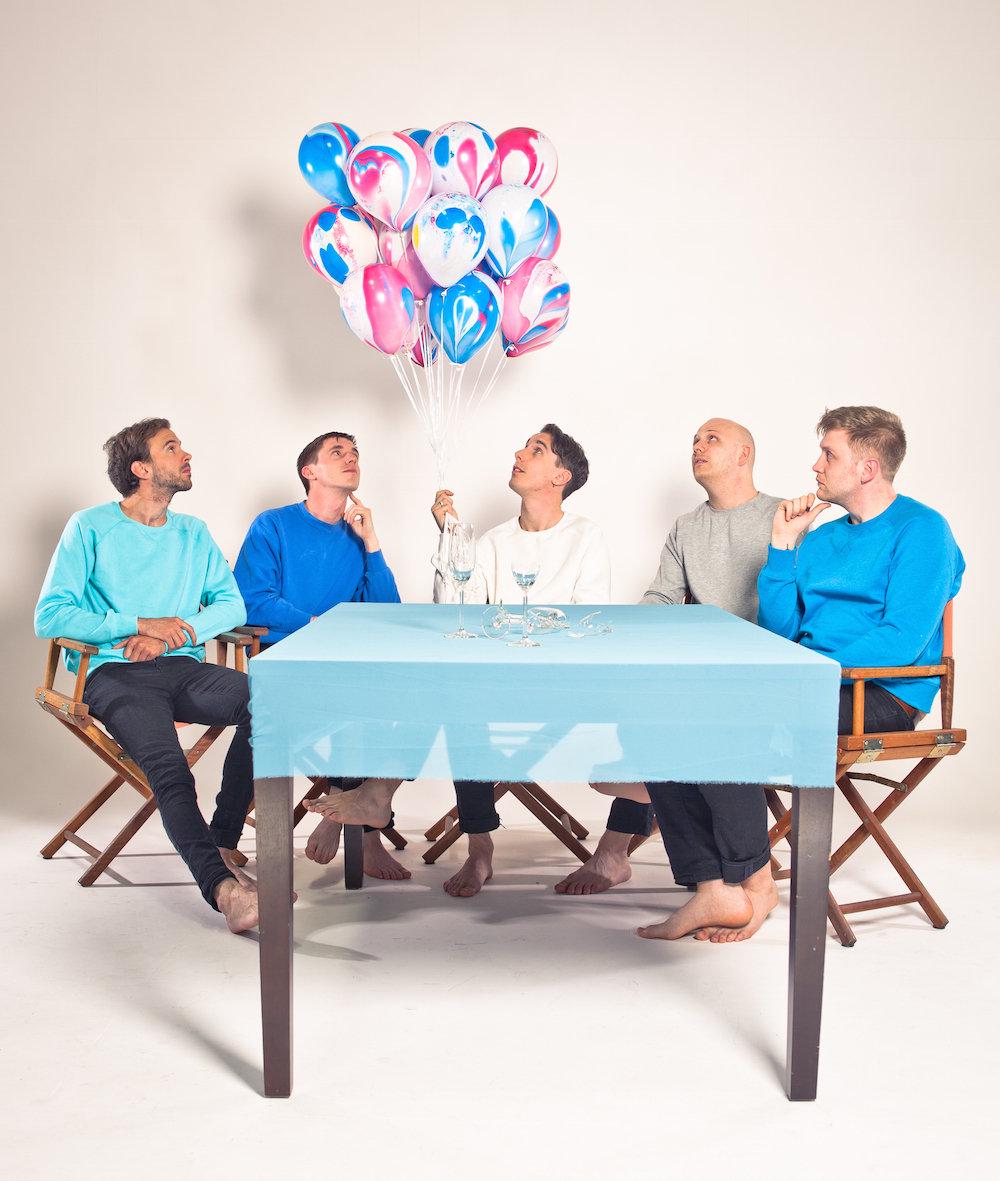
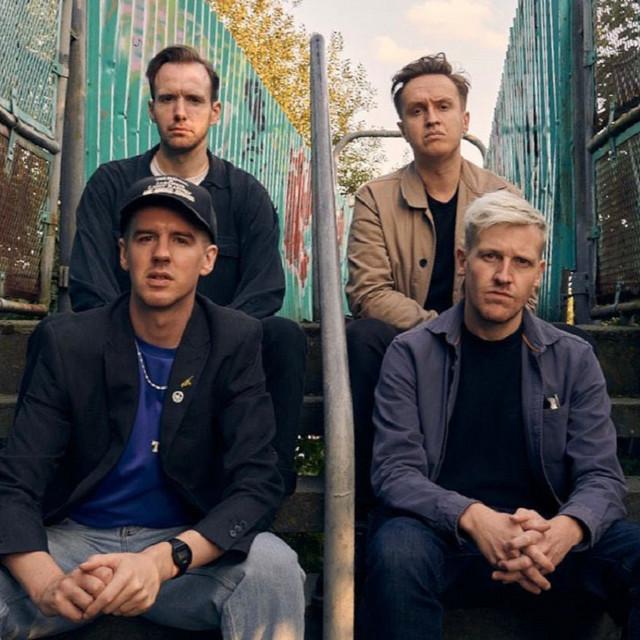
Dutch Uncles’ Spotify BioDutch Uncles formed in the spring of 2008 in Marple (a suburb of Stockport, England). The line-up comprises Duncan Wallis (vocals/piano), Robin Richards (bass), Andy Proudfoot (drums), Peter Broadhead (guitar/marimba) Neil Wright (guitar) and Henry Broadhead (synths/percussion).
The band distinguished itself by blending pop accessibility with adventurous musical textures, angular rhythms, marimba and vibraphone touches, and often atypical time-signatures. Influences included the likes of Talking Heads, XTC, Kate Bush, King Crimson and composer Steve Reich.
Their self-titled debut album was released in Germany via Tapete Records in 2009, establishing a cult foothold in Europe before gaining broader UK attention. In 2011 they followed with Cadenza, their first UK-released full-length, recorded in Salford, which drew attention for its clever pop craft and expanded musical ambition.
On subsequent albums—Out of Touch in the Wild (2013) and O Shudder (2015)—the band further refined their blend… of cerebral pop and emotional introspection. Lyrics began exploring themes such as addiction, domesticity and technological alienation, while the arrangements grew richer and more varied. In 2017 they released Big Balloon, continuing their exploration of art-pop territory and consolidating their place in the UK indie scene.
After a six-year gap, Dutch Uncles returned with True Entertainment in March 2023, marking a renewed collaborative spark and a fresh musical direction.
Viberate is a music analytics platform built for A&Rs, artist managers, labels, booking agents, marketers, and artists.
It helps music professionals track artist growth, analyze audience data, monitor playlist activity, compare artists, follow song performance, and identify opportunities across the music market.
Public artist pages provide a free preview of selected artist data. Paid plans provide access to deeper analytics, historical data, charts, comparisons, playlist tools, exports, alerts, reports, and additional professional features.
Yes. Public Viberate artist pages provide selected artist analytics and music data for free.
Viberate also offers a 7-day free trial of the full platform. A credit card is required to start the trial. The trial includes access to the complete product so users can test deeper artist analytics, historical views, playlist insights, comparisons, charts, exports, alerts, and reporting features before choosing a paid plan.
Viberate provides artist analytics across streaming, playlists, social media, video, radio airplay, songs, and audience markets.
Users can analyze Spotify performance, Spotify and Apple Music playlists, YouTube activity, TikTok and Instagram growth, radio spins, song performance, audience locations, demographics, rankings, and overall artist momentum.
Artist profiles also connect to music charts, similar artists, and comparison tools, helping users benchmark performance and evaluate artists in context.
Viberate updates key artist and track data daily.
For followed artists and tracks, selected data is refreshed multiple times per day. This helps teams monitor playlist changes, streaming movement, audience growth, releases, and campaign performance with more current data.
Update frequency can vary depending on the metric and data source.
Yes. Viberate lets users compare up to five artists side by side across streaming, social media, audience, and engagement metrics.
Users can compare fanbase growth, audience demographics, locations, Spotify performance, social metrics, and other artist data over selected time periods.
Artist comparison can be used for A&R scouting, benchmarking, booking decisions, campaign planning, and evaluating artists with similar audiences or market positions.