Neo Boys

Punk
Punk Rock
Post Punk
 Viberate Rank: 477287
 Viberate Rank: 477287
 Monthly ListenersFollowers
 Subscribers
 Followers
 Followers
 FansTop Spotify Songs
| Track | 7-Day Streams | |
|---|---|---|
1 | 80 | |
2 | 54 | |
3 | 32 | |
4 | 22 | |
5 | 14 |
Top YouTube VideosMonthly ListenersFeatured in Playlists| Playlist | Followers | |
|---|---|---|
1 |  Matador Recommends Matador Records | 4.81K |
2 |  Riot Girls / Riot Grrrl Kate78 | 3.62K |
3 |  RARE THE NANAS Rare The Nanas | 3.13K |
4 | mississippi records, northern soul, nigerian psych, rock, random stuff chrisgslater | 2.83K |
5 |  Punk & Feminist Frank Elliot | 2.56K |
Audience| City | Monthly Listeners | |
|---|---|---|
1 | | 42 |
2 | | 21 |
3 | | 17 |
4 | | 13 |
5 |  | 10 |
See full performance history, audience data, playlist activity, rankings, comparisons, and more in Viberate music analytics. Start with a free trial, then continue with a paid plan.
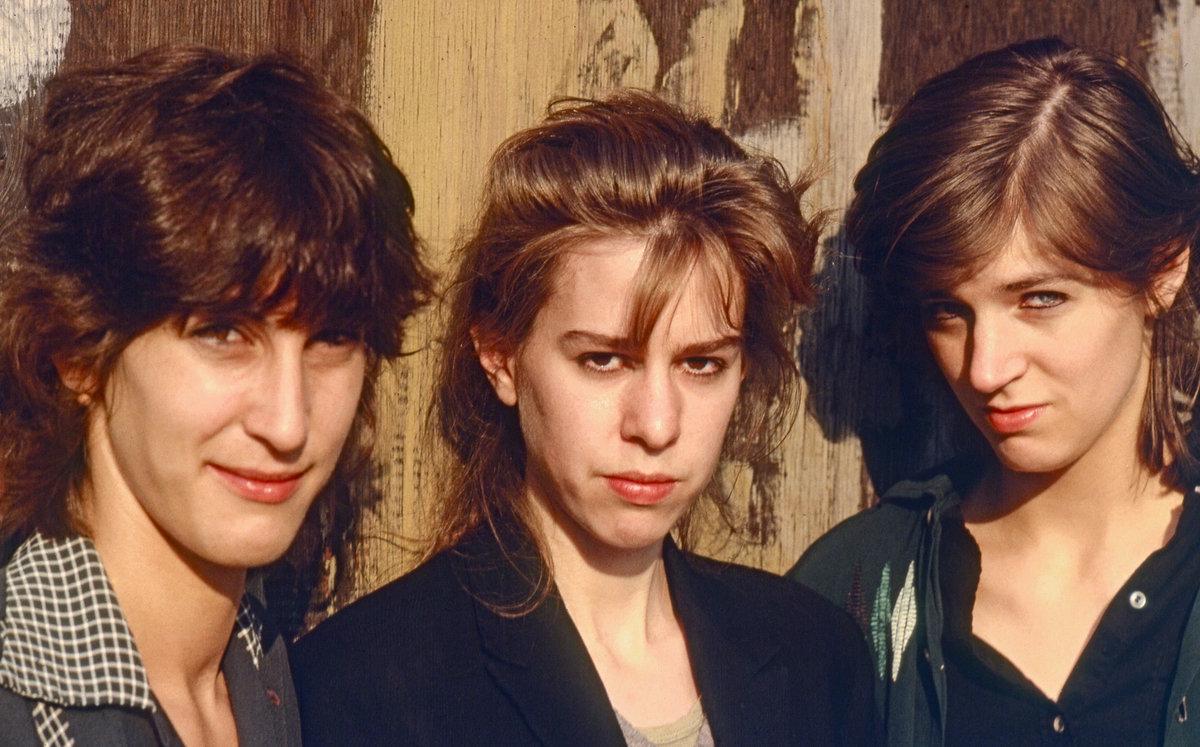
Neo Boys’ Spotify BioOne of the pioneering all-female punk bands of Portland, Oregon's punk scene of the '70s and early '80s, Neo Boys formed from the ashes of Formica & the Bitches, when singer KT Kincaid, her bassist sister Kim, guitarist Jennifer Lobianco, and drummer Pat Baum began playing together in 1978. The group played lots of underground shows as well as high-profile ones opening for Television and the Wipers, and in 1980 they recorded their debut EP, Give Me the Message, with the latter band's Greg Sage. Lobianco left Portland for Hollywood later that year, and Neo Boys found a new guitarist in Meg Hentges, a more sophisticated player who helped the band broaden its style. This lineup recorded 1982's Crumbling Myths EP, which showed off the group's more accomplished musicianship and increasingly eloquent and political lyrics. When Hentges left Portland in 1983, Neo Boys called it quits. While most of the group ultimately retired from making music, Hentges continued as a solo artist, and as part… of a duo with her wife, Jude O'Nym. In 2013, K Records released the comprehensive retrospective Sooner or Later. ~ Heather Phares, Rovi
Viberate is a music analytics platform built for A&Rs, artist managers, labels, booking agents, marketers, and artists.
It helps music professionals track artist growth, analyze audience data, monitor playlist activity, compare artists, follow song performance, and identify opportunities across the music market.
Public artist pages provide a free preview of selected artist data. Paid plans provide access to deeper analytics, historical data, charts, comparisons, playlist tools, exports, alerts, reports, and additional professional features.
Yes. Public Viberate artist pages provide selected artist analytics and music data for free.
Viberate also offers a 7-day free trial of the full platform. A credit card is required to start the trial. The trial includes access to the complete product so users can test deeper artist analytics, historical views, playlist insights, comparisons, charts, exports, alerts, and reporting features before choosing a paid plan.
Viberate provides artist analytics across streaming, playlists, social media, video, radio airplay, songs, and audience markets.
Users can analyze Spotify performance, Spotify and Apple Music playlists, YouTube activity, TikTok and Instagram growth, radio spins, song performance, audience locations, demographics, rankings, and overall artist momentum.
Artist profiles also connect to music charts, similar artists, and comparison tools, helping users benchmark performance and evaluate artists in context.
Viberate updates key artist and track data daily.
For followed artists and tracks, selected data is refreshed multiple times per day. This helps teams monitor playlist changes, streaming movement, audience growth, releases, and campaign performance with more current data.
Update frequency can vary depending on the metric and data source.
Yes. Viberate lets users compare up to five artists side by side across streaming, social media, audience, and engagement metrics.
Users can compare fanbase growth, audience demographics, locations, Spotify performance, social metrics, and other artist data over selected time periods.
Artist comparison can be used for A&R scouting, benchmarking, booking decisions, campaign planning, and evaluating artists with similar audiences or market positions.