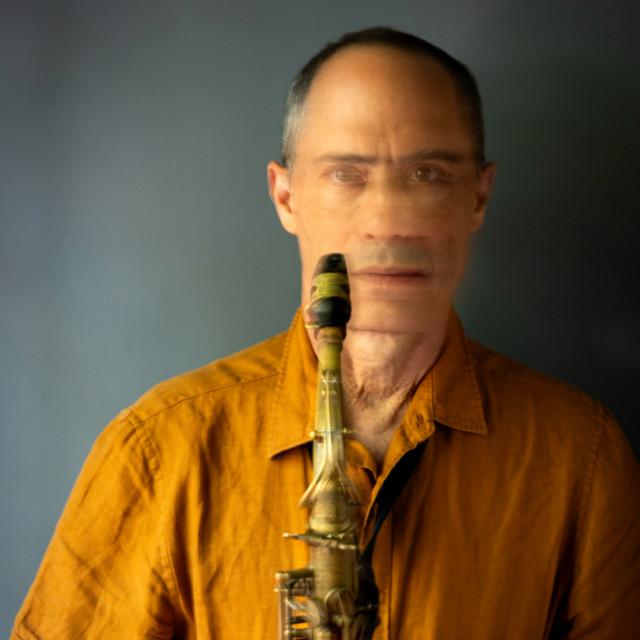
Ned Rothenberg

Jazz
Avant-garde Jazz
Free Jazz
Classical Crossover
 Viberate Rank: 414137
 Viberate Rank: 414137
 Monthly ListenersFollowers
 Subscribers
 Followers
 Followers
 FansTop Spotify Songs
| Track | 7-Day Streams | |
|---|---|---|
1 | 540 | |
2 | 345 | |
3 | 320 | |
4 | 156 | |
5 | 94 |
Top YouTube VideosMonthly ListenersFeatured in Playlists| Playlist | Followers | |
|---|---|---|
1 |  Avant-Jazz Spotify | 70.77K |
2 |  Russian Indie Music seal54321 | 6.86K |
3 |  Sting Duets Gianluca Bianchi | 6.53K |
4 | 5 Minutes That Will Make You Love 21st-Century Jazz nytimes | 2.10K |
5 |  This Is Marc Ribot Spotify | 1.94K |
Audience| City | Monthly Listeners | |
|---|---|---|
1 |  | 18 |
2 |  | 14 |
3 |  | 12 |
4 |  | 12 |
5 | | 10 |
See full performance history, audience data, playlist activity, rankings, comparisons, and more in Viberate music analytics. Start with a free trial, then continue with a paid plan.
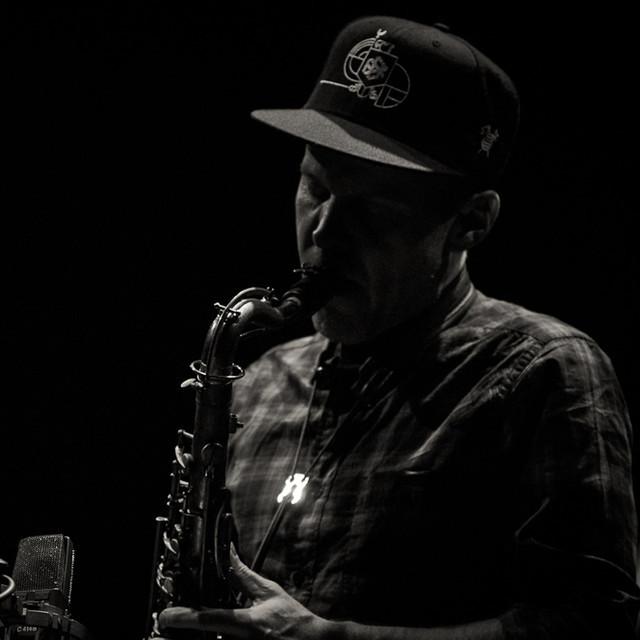
Ned Rothenberg’s Spotify BioMulti-reedist Ned Rothenberg composes and performs on saxophones, flutes -- including shakuhachi -- and bass clarinet. Active as a solo artist and avant-garde jazz performer since (at least) the '70s, Rothenberg performed in Anthony Braxton's Creative Orchestra project in 1978. He moved to N.Y.C. in 1978, and went on to lead Power Lines (New World) and Double Band (on the Moers label). Rothenberg is a founding member of New Winds, with flutist Robert Dick and trumpeter Herb Robertson. He performs in Sync, a group with Jerome Harris, on Intuition and has collaborated with such acclaimed creative musicians as John Zorn, Elliott Sharp, Samm Bennett, and Fred Frith. Rothenberg has spent much time in Japan, including a six-month residency during which he studied with shakuhachi masters Goro Yamaguchi and Katsuya Yokoyama, and performed his own music. He also traveled to the former Soviet Union three times from the late '80s through the mid-'90s, performing not only solo, but in a duo with S…ainkho Namchylak. Rothenberg has also toured North and South America, Europe, and Asia, totaling hundreds of concerts worldwide at venues and festivals including Finland's Tampere (1992), Quebec's FIMAV (1997), and Michigan's Edgefest (1998, 2009). Rothenberg didn't slow down as the 21st century dawned, releasing several albums, including Ghost Stories and Port of Entry in 2000, Tools of the Trade in 2001, Intervals in 2002, Fell Clutch in 2006, and Inner Diaspora in 2007. In 2010, Rothenberg released two more albums on Tzadik: Quintet for Clarinet and Strings (with the Mivos Quartet) and Ryu Nashi/No School: New Music for Shakuhachi. ~ Joslyn Layne, Rovi
Viberate is a music analytics platform built for A&Rs, artist managers, labels, booking agents, marketers, and artists.
It helps music professionals track artist growth, analyze audience data, monitor playlist activity, compare artists, follow song performance, and identify opportunities across the music market.
Public artist pages provide a free preview of selected artist data. Paid plans provide access to deeper analytics, historical data, charts, comparisons, playlist tools, exports, alerts, reports, and additional professional features.
Yes. Public Viberate artist pages provide selected artist analytics and music data for free.
Viberate also offers a 7-day free trial of the full platform. A credit card is required to start the trial. The trial includes access to the complete product so users can test deeper artist analytics, historical views, playlist insights, comparisons, charts, exports, alerts, and reporting features before choosing a paid plan.
Viberate provides artist analytics across streaming, playlists, social media, video, radio airplay, songs, and audience markets.
Users can analyze Spotify performance, Spotify and Apple Music playlists, YouTube activity, TikTok and Instagram growth, radio spins, song performance, audience locations, demographics, rankings, and overall artist momentum.
Artist profiles also connect to music charts, similar artists, and comparison tools, helping users benchmark performance and evaluate artists in context.
Viberate updates key artist and track data daily.
For followed artists and tracks, selected data is refreshed multiple times per day. This helps teams monitor playlist changes, streaming movement, audience growth, releases, and campaign performance with more current data.
Update frequency can vary depending on the metric and data source.
Yes. Viberate lets users compare up to five artists side by side across streaming, social media, audience, and engagement metrics.
Users can compare fanbase growth, audience demographics, locations, Spotify performance, social metrics, and other artist data over selected time periods.
Artist comparison can be used for A&R scouting, benchmarking, booking decisions, campaign planning, and evaluating artists with similar audiences or market positions.