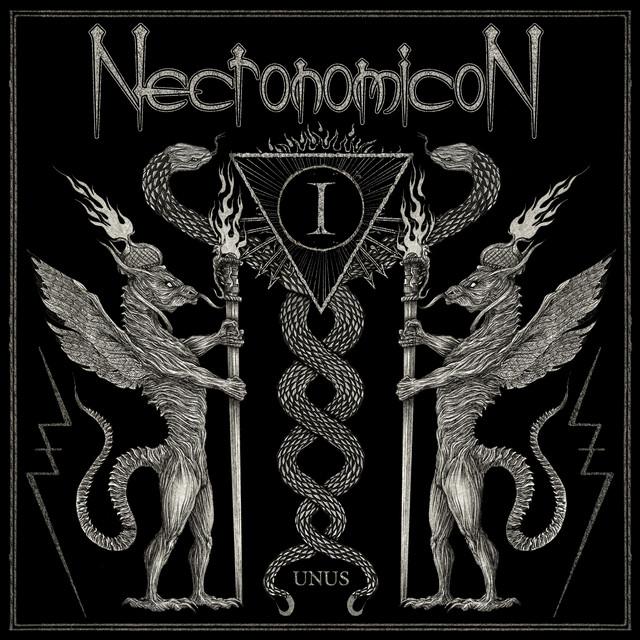
Necronomicon

Metal
Death Metal
Black Metal
 Viberate Rank: 249722
 Viberate Rank: 249722
 Monthly ListenersFollowers
 Subscribers
 Followers
 Followers
 FansTop Spotify Songs
| Track | 7-Day Streams | |
|---|---|---|
1 | 139 | |
2 | 60 | |
3 | 55 | |
4 | 42 | |
5 | 39 |
Top YouTube VideosMonthly ListenersFeatured in Playlists| Playlist | Followers | |
|---|---|---|
1 |  Symphonic Death Metal Alex Rabets - vox Set To Hate | 5.33K |
2 | DEATH METAL/GRINDCORE/BLACK METAL/DOOM DEATH ++ Tokes | 2.81K |
3 | Blast Beats gunderwood115 | 2.07K |
4 |  180-250BPM HI-TECH/PSYCORE/DARKPSY Mythologick | 1.92K |
5 |  Lovecraftian Metal Madness MT Casket | 1.23K |
Audience| City | Monthly Listeners | |
|---|---|---|
1 | | 33 |
2 | | 18 |
3 | | 17 |
4 | | 12 |
5 |  | 10 |
See full performance history, audience data, playlist activity, rankings, comparisons, and more in Viberate music analytics. Start with a free trial, then continue with a paid plan.
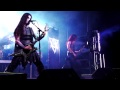
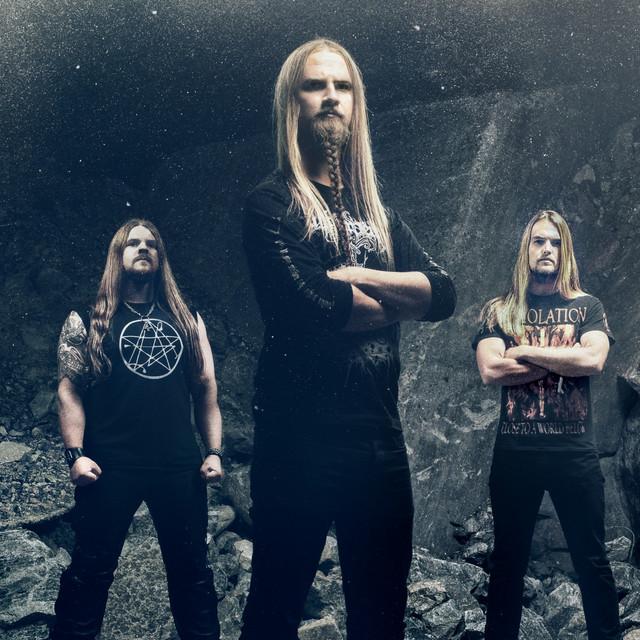
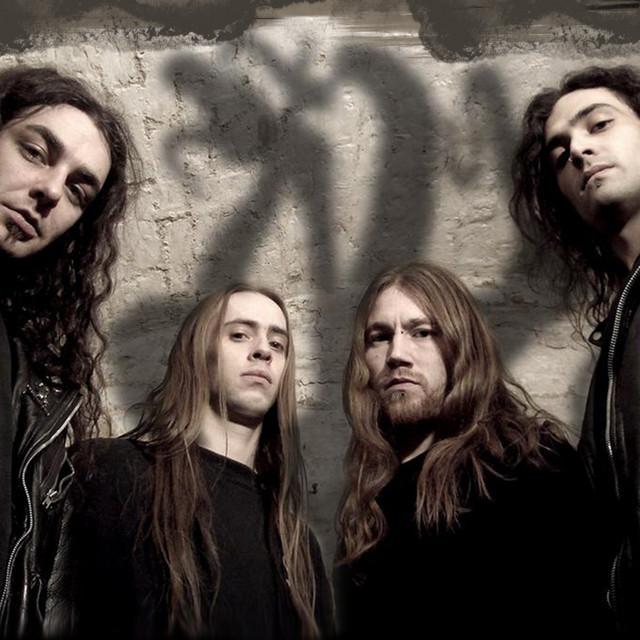
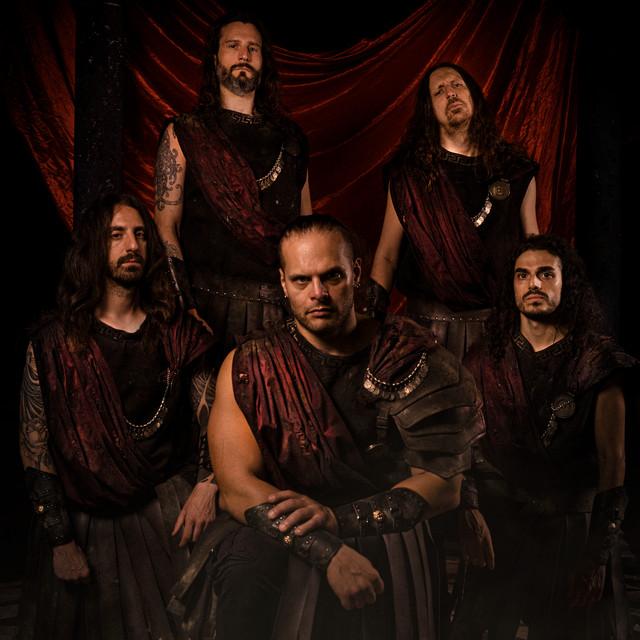
Necronomicon’s Spotify BioFormed by guitarist/frontman Rob the Witch, NecronomicoN is one of the more bizarre death metal acts to come along. They really do capitalize the last "n" on their name, and Rob the Witch really does go by that name and doesn't put his real name on any of their material. Although the lineup has changed many times, the original incarnation of the band started in 1991, when they recorded and released the Morbid Ritual single using songs that Rob had been working on. The following years led up to several lineup changes and one more single until 1995, when engineer Pierre Rémillard agreed to help them record their first official album, The Silver Key. Taking a few songs from their early singles and filling it out with new material, the album was a significant step up and allowed the group to perform with Mercyful Fate and Cradle of Filth, among others. In 1998, they returned to the studio to record another album, Pharaoh of Gods. The record was released in Canada in the summer of 1999, but… the band had to wait almost three years until it saw a stateside release from Unique Leader. In the meantime, the group had been touring and stepped back into the studio at the beginning of 2002 for their next recording sessions, which yielded 2003's well-received Sacred Medicines. 2010's Return of the Witch saw the group expand their listener base on an international level, with festival appearances at Inferno (Norway), Ragnarok (Germany), and the Barge to Hell metal cruise among others. 2013's Rise of Elder Ones and 2016's Advent Of The Human God, both of which elicited praise on an international level, saw the veteran band's stature within the underground metal community continue to grow. ~ Bradley Torreano, Rovi
Viberate is a music analytics platform built for A&Rs, artist managers, labels, booking agents, marketers, and artists.
It helps music professionals track artist growth, analyze audience data, monitor playlist activity, compare artists, follow song performance, and identify opportunities across the music market.
Public artist pages provide a free preview of selected artist data. Paid plans provide access to deeper analytics, historical data, charts, comparisons, playlist tools, exports, alerts, reports, and additional professional features.
Yes. Public Viberate artist pages provide selected artist analytics and music data for free.
Viberate also offers a 7-day free trial of the full platform. A credit card is required to start the trial. The trial includes access to the complete product so users can test deeper artist analytics, historical views, playlist insights, comparisons, charts, exports, alerts, and reporting features before choosing a paid plan.
Viberate provides artist analytics across streaming, playlists, social media, video, radio airplay, songs, and audience markets.
Users can analyze Spotify performance, Spotify and Apple Music playlists, YouTube activity, TikTok and Instagram growth, radio spins, song performance, audience locations, demographics, rankings, and overall artist momentum.
Artist profiles also connect to music charts, similar artists, and comparison tools, helping users benchmark performance and evaluate artists in context.
Viberate updates key artist and track data daily.
For followed artists and tracks, selected data is refreshed multiple times per day. This helps teams monitor playlist changes, streaming movement, audience growth, releases, and campaign performance with more current data.
Update frequency can vary depending on the metric and data source.
Yes. Viberate lets users compare up to five artists side by side across streaming, social media, audience, and engagement metrics.
Users can compare fanbase growth, audience demographics, locations, Spotify performance, social metrics, and other artist data over selected time periods.
Artist comparison can be used for A&R scouting, benchmarking, booking decisions, campaign planning, and evaluating artists with similar audiences or market positions.