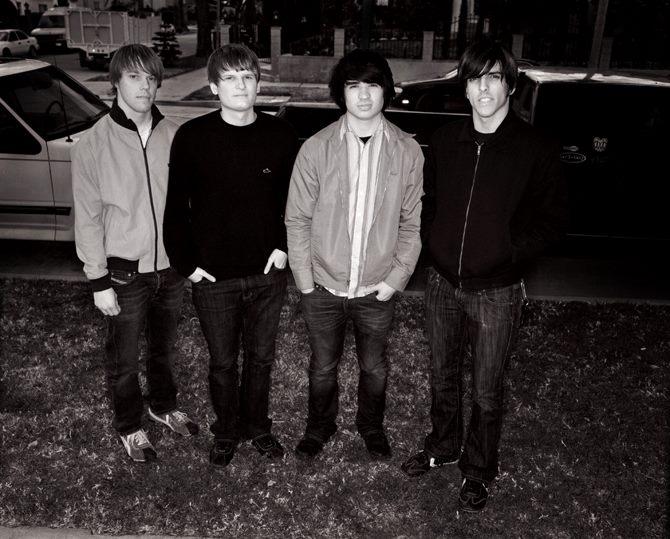
Name Taken

Rock
Alternative Rock
Progressive Rock
Pop Punk
 Viberate Rank: 239638
 Viberate Rank: 239638
 Monthly ListenersFollowers
 Subscribers
 Followers
 Followers
 FansTop Spotify Songs
| Track | 7-Day Streams | |
|---|---|---|
1 | 6.41K | |
2 | 1.45K | |
3 | 1.32K | |
4 | 829 | |
5 | 757 |
Top YouTube VideosMonthly ListenersFeatured in Playlists| Playlist | Followers | |
|---|---|---|
1 |  niche posthardcore!! Python? | 8.49K |
2 | so awesome pge evan | 6.38K |
3 |  Alternative Emo Jams Best Noodles In Town | 6.04K |
4 |  Atticus ...dragging the lake scottplong | 5.09K |
5 | Punk goes acoustic Ashlee Marie | 4.59K |
Audience| City | Monthly Listeners | |
|---|---|---|
1 | | 624 |
2 | | 475 |
3 | | 411 |
4 | | 393 |
5 | | 370 |
See full performance history, audience data, playlist activity, rankings, comparisons, and more in Viberate music analytics. Start with a free trial, then continue with a paid plan.
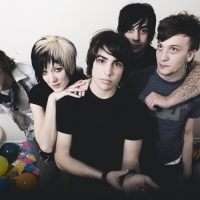
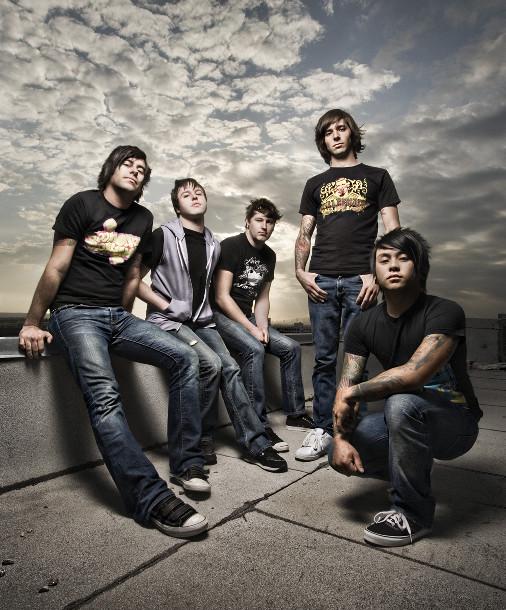
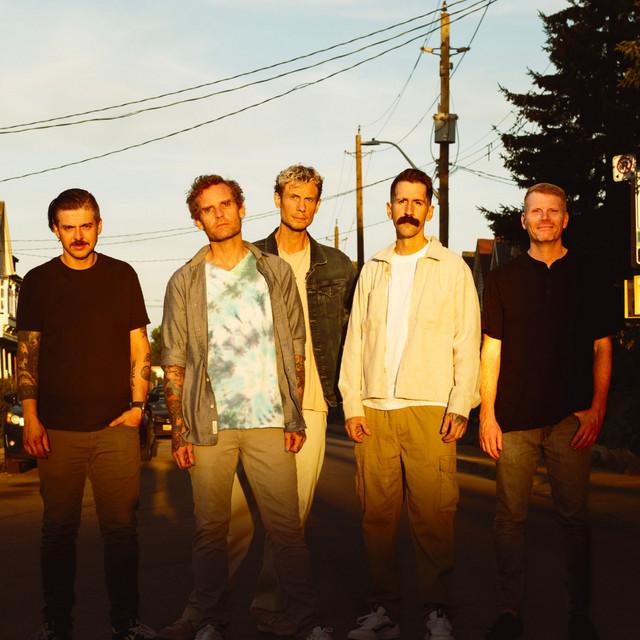
Name Taken’s Spotify BioEmo-inflected pop/punk act Name Taken formed in October 1999, originally named All That's Left, when its members were still in their mid-teens. Starting off as a quartet, the Orange County crew eventually parted ways with one of their guitarists and the remaining members -- vocalist/bassist Chad Atkinson, guitarist/vocalist Blake Means, and drummer Bret Meisenbach -- recorded a demo. The Stupid Chad EP resulted, and shortly after the band independently released it, they added in second guitarist Ryan Edwards to fill out their sound. Around the same time, another band called All That's Left was uncovered, and the guys mended the situation by becoming Name Taken. Less than a year after the switch, in August 2001, the group entered a Riverside studio to record another EP. The Silent Game was picked up by Top Notch Records and released three months after its completion. Following this EP, Meisenbach made his exit and was replaced behind the kit by Danny Valencia. A bunch of compilation… appearances surfaced before Name Taken hooked up with Long Island's Bayside to release a split album on Dying Wish Records in 2003. The band next joined forces with Fiddler Records for their April 2004 debut full-length, Hold On. Fans of similarly earnest pop/punk acts like Saves the Day took to the record, but Name Taken's modest success was short-lived. The band broke up in 2005, playing their last show that June, so certain members could go back to school. Name Taken reunited for two shows at Anaheim's Chain Reaction in May 2007, dubbed simply "refresher courses" by the band; the second show was added when the first sold out in less than two days. ~ Corey Apar, Rovi
Viberate is a music analytics platform built for A&Rs, artist managers, labels, booking agents, marketers, and artists.
It helps music professionals track artist growth, analyze audience data, monitor playlist activity, compare artists, follow song performance, and identify opportunities across the music market.
Public artist pages provide a free preview of selected artist data. Paid plans provide access to deeper analytics, historical data, charts, comparisons, playlist tools, exports, alerts, reports, and additional professional features.
Yes. Public Viberate artist pages provide selected artist analytics and music data for free.
Viberate also offers a 7-day free trial of the full platform. A credit card is required to start the trial. The trial includes access to the complete product so users can test deeper artist analytics, historical views, playlist insights, comparisons, charts, exports, alerts, and reporting features before choosing a paid plan.
Viberate provides artist analytics across streaming, playlists, social media, video, radio airplay, songs, and audience markets.
Users can analyze Spotify performance, Spotify and Apple Music playlists, YouTube activity, TikTok and Instagram growth, radio spins, song performance, audience locations, demographics, rankings, and overall artist momentum.
Artist profiles also connect to music charts, similar artists, and comparison tools, helping users benchmark performance and evaluate artists in context.
Viberate updates key artist and track data daily.
For followed artists and tracks, selected data is refreshed multiple times per day. This helps teams monitor playlist changes, streaming movement, audience growth, releases, and campaign performance with more current data.
Update frequency can vary depending on the metric and data source.
Yes. Viberate lets users compare up to five artists side by side across streaming, social media, audience, and engagement metrics.
Users can compare fanbase growth, audience demographics, locations, Spotify performance, social metrics, and other artist data over selected time periods.
Artist comparison can be used for A&R scouting, benchmarking, booking decisions, campaign planning, and evaluating artists with similar audiences or market positions.