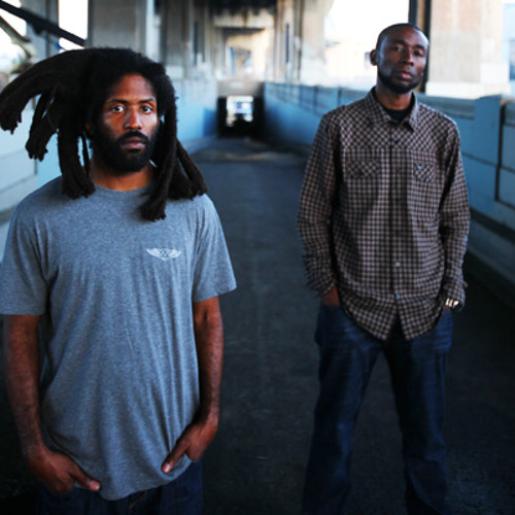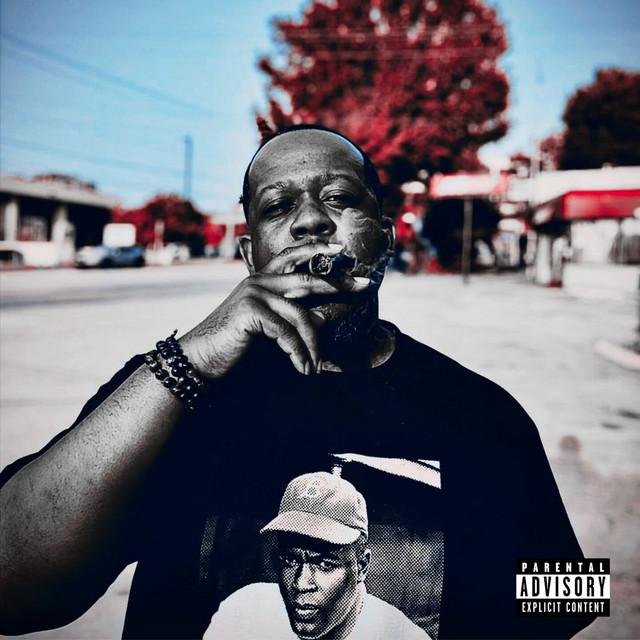
Naledge

Hip Hop
Alternative Hip Hop
Underground Hip Hop
 Viberate Rank: 481851
 Viberate Rank: 481851
 Monthly ListenersFollowers
 Subscribers
 Followers
 Followers
 FansTop Spotify SongsTop YouTube VideosMonthly ListenersFeatured in Playlists
| Playlist | Followers | |
|---|---|---|
1 | Boom Bap/90s Rap Kharim Ames | 16.71K |
2 | Hip-Hop / Old School Rap Dylan Sullivan | 9.10K |
3 |  Chill / Underground Hip-Hop J Thompson | 5.67K |
4 | UNDERGROUND HIP HOP Eric Gijsberts | 5.50K |
5 |  This Is Melanie Fiona Spotify | 3.64K |
Audience| City | Monthly Listeners | |
|---|---|---|
1 |  | 71 |
2 |  | 55 |
3 |  | 49 |
4 | | 46 |
5 | | 38 |
See full performance history, audience data, playlist activity, rankings, comparisons, and more in Viberate music analytics. Start with a free trial, then continue with a paid plan.
Naledge’s Spotify BioThe MCing half of progressive rap duo Kidz in the Hall, Naledge was born Jabari Evans in Cincinnati, OH, but grew up on Chicago's South Side since he was two years old. Raised by two Ph.D.-educated parents, the high-school valedictorian academically had an easy time in school and found his niche in poetry and writing. However, it was cousin Memo, one-third of Chicago production outfit the Molemen, who convinced him to transform his writing prowess into hip-hop rhymes. He first met his DJ/producer partner, Double O, in 2000 on a recruiting visit to the University of Pennsylvania, and the two became good friends and musical collaborators. While still attending Penn, Naledge acquired a solo deal with Rawkus Records, but ended up bringing the Kidz in the Hall brand under Rawkus management as well, once he and Double O finally decided to start the group. Soon after Naledge graduated from Penn in 2004, he released The College Graduate mixtape, which was a nod to Kanye West's breakout debut… album, The College Dropout. After a few Kidz in the Hall mixtapes and an aggressive Internet-promoting campaign, Naledge and Double O dropped their debut, School Was My Hustle, in 2006. Naledge's solo debut, tentatively titled Naledge Is Power, was intended to come out not long after the Kidz in the Hall LP, but the two wound up severing ties with Rawkus and signed on with Boot Camp Clik imprint Duck Down in 2007. ~ Cyril Cordor, Rovi
Viberate is a music analytics platform built for A&Rs, artist managers, labels, booking agents, marketers, and artists.
It helps music professionals track artist growth, analyze audience data, monitor playlist activity, compare artists, follow song performance, and identify opportunities across the music market.
Public artist pages provide a free preview of selected artist data. Paid plans provide access to deeper analytics, historical data, charts, comparisons, playlist tools, exports, alerts, reports, and additional professional features.
Yes. Public Viberate artist pages provide selected artist analytics and music data for free.
Viberate also offers a 7-day free trial of the full platform. A credit card is required to start the trial. The trial includes access to the complete product so users can test deeper artist analytics, historical views, playlist insights, comparisons, charts, exports, alerts, and reporting features before choosing a paid plan.
Viberate provides artist analytics across streaming, playlists, social media, video, radio airplay, songs, and audience markets.
Users can analyze Spotify performance, Spotify and Apple Music playlists, YouTube activity, TikTok and Instagram growth, radio spins, song performance, audience locations, demographics, rankings, and overall artist momentum.
Artist profiles also connect to music charts, similar artists, and comparison tools, helping users benchmark performance and evaluate artists in context.
Viberate updates key artist and track data daily.
For followed artists and tracks, selected data is refreshed multiple times per day. This helps teams monitor playlist changes, streaming movement, audience growth, releases, and campaign performance with more current data.
Update frequency can vary depending on the metric and data source.
Yes. Viberate lets users compare up to five artists side by side across streaming, social media, audience, and engagement metrics.
Users can compare fanbase growth, audience demographics, locations, Spotify performance, social metrics, and other artist data over selected time periods.
Artist comparison can be used for A&R scouting, benchmarking, booking decisions, campaign planning, and evaluating artists with similar audiences or market positions.