Diamond District

Hip Hop
Contemporary Hip Hop
Underground Hip Hop
 Viberate Rank: 298010
 Viberate Rank: 298010
 Monthly ListenersFollowers
 Subscribers
 Followers
 Followers
 FansTop Spotify Songs
| Track | 7-Day Streams | |
|---|---|---|
1 | 257 | |
2 | 146 | |
3 | 100 | |
4 | 94 | |
5 | 90 |
Top YouTube VideosMonthly ListenersFeatured in Playlists| Playlist | Followers | |
|---|---|---|
1 |  Daily Favs - Fynn Kliemanns wichtigste Musik Fynn Kliemann | 96.13K |
2 | Hip hop instrumentals Maximilien Sautreau | 40.78K |
3 |  Mello Mixes | INDIE HIP HOP Mello Music Group | 6.35K |
4 | Streetworkout mix mortensmjusikk | 6.31K |
5 | UNDERGROUND HIP HOP Eric Gijsberts | 5.50K |
Audience| City | Monthly Listeners | |
|---|---|---|
1 | | 51 |
2 | | 39 |
3 | | 35 |
4 |  | 30 |
5 |  | 24 |
See full performance history, audience data, playlist activity, rankings, comparisons, and more in Viberate music analytics. Start with a free trial, then continue with a paid plan.
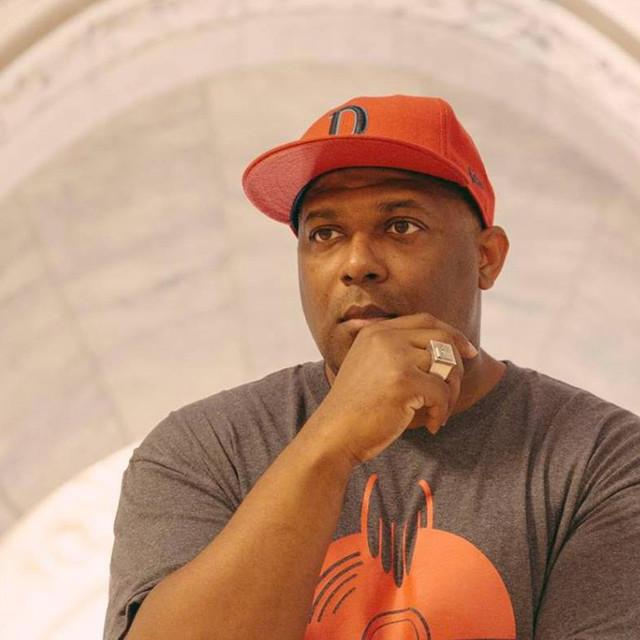
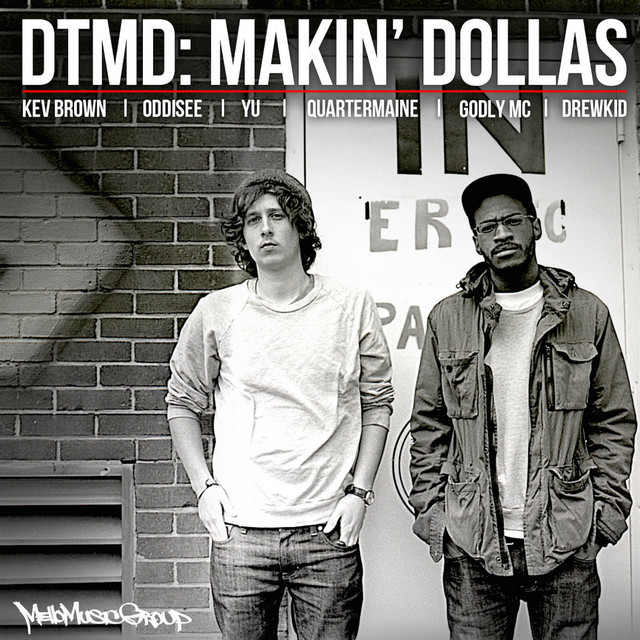
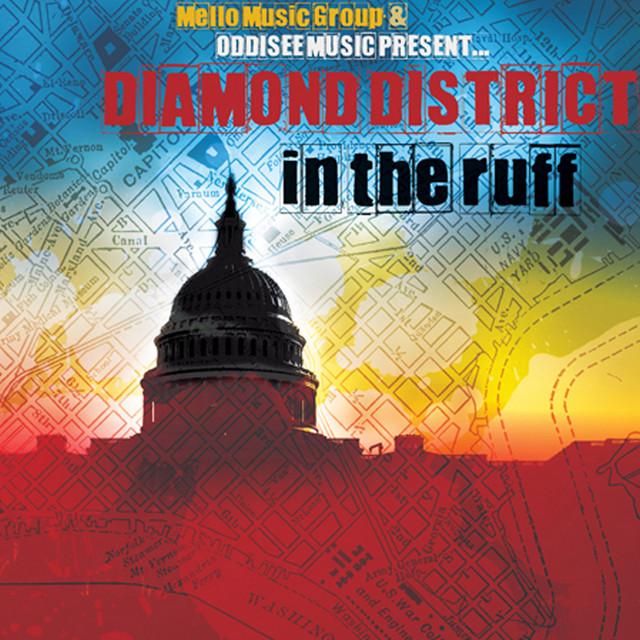
Diamond District’s Spotify BioHailing from "the DMV" (the nickname for the Washington, DC, Virginia, and Maryland area), hip-hip trio Diamond District formed with the intent of creating music that both drew from mid-'90s East Coast hip-hop à la De La Soul, Pete Rock & CL Smooth, and Gang Starr music that showcased the often overlooked Washington, DC rap scene. Comprised of two MCs, X.O. and yU, and producer/MC Oddisee (who has also released a handful of solo albums and produced tracks for Jazzy Jeff, among others, and is part of the Low Budget Crew with Kev Brown, Kenn Starr, and Cy Young), the group first introduced themselves to the hip-hop community by releasing a series of singles in the late '00s. In April, 2009 Diamond District put out the clean version of their debut full-length, In the Ruff, for free music blogs, and garnered enough press and attention from it that they were able to approach hip-hop label Mello Music Group with evidence of their fan base and why they should be signed. It worked, and the… label released the unedited version of In the Ruff in October, 2009 with plans for a follow-up, titled March on Washington, to appear the next year. ~ Marisa Brown, Rovi
Viberate is a music analytics platform built for A&Rs, artist managers, labels, booking agents, marketers, and artists.
It helps music professionals track artist growth, analyze audience data, monitor playlist activity, compare artists, follow song performance, and identify opportunities across the music market.
Public artist pages provide a free preview of selected artist data. Paid plans provide access to deeper analytics, historical data, charts, comparisons, playlist tools, exports, alerts, reports, and additional professional features.
Yes. Public Viberate artist pages provide selected artist analytics and music data for free.
Viberate also offers a 7-day free trial of the full platform. A credit card is required to start the trial. The trial includes access to the complete product so users can test deeper artist analytics, historical views, playlist insights, comparisons, charts, exports, alerts, and reporting features before choosing a paid plan.
Viberate provides artist analytics across streaming, playlists, social media, video, radio airplay, songs, and audience markets.
Users can analyze Spotify performance, Spotify and Apple Music playlists, YouTube activity, TikTok and Instagram growth, radio spins, song performance, audience locations, demographics, rankings, and overall artist momentum.
Artist profiles also connect to music charts, similar artists, and comparison tools, helping users benchmark performance and evaluate artists in context.
Viberate updates key artist and track data daily.
For followed artists and tracks, selected data is refreshed multiple times per day. This helps teams monitor playlist changes, streaming movement, audience growth, releases, and campaign performance with more current data.
Update frequency can vary depending on the metric and data source.
Yes. Viberate lets users compare up to five artists side by side across streaming, social media, audience, and engagement metrics.
Users can compare fanbase growth, audience demographics, locations, Spotify performance, social metrics, and other artist data over selected time periods.
Artist comparison can be used for A&R scouting, benchmarking, booking decisions, campaign planning, and evaluating artists with similar audiences or market positions.