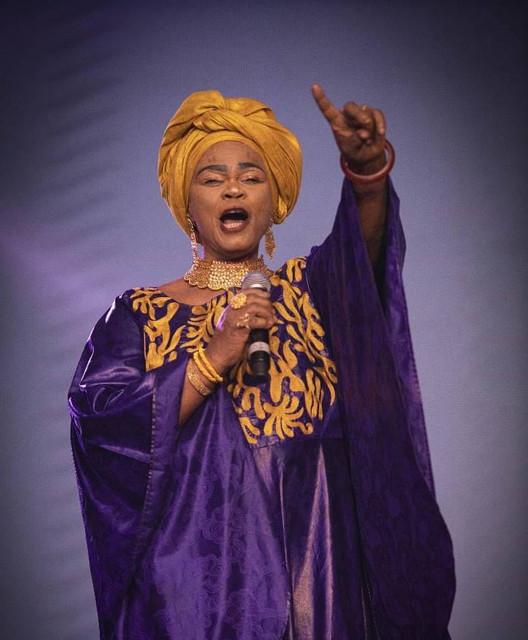
Nahawa Doumbia

African
Mbalax
Classic Blues
 Viberate Rank: 32011
 Viberate Rank: 32011
 Monthly ListenersFollowers
 Subscribers
 Followers
 Followers
 FansTop Spotify Songs
| Track | 7-Day Streams | |
|---|---|---|
1 | 6.84K | |
2 | 2.94K | |
3 | 2.14K | |
4 | 2.03K | |
5 | 1.87K |
Top YouTube Videos| Video | 7-Day Views | |
|---|---|---|
1 | 10.42K | |
2 | 5.13K | |
3 | 3.46K | |
4 | 2.86K | |
5 | 2.31K |
Monthly ListenersFeatured in Playlists| Playlist | Followers | |
|---|---|---|
1 |  Caribou - The Longest Mixtape: 1000+ Songs For You Caribou | 53.23K |
2 |  Tropicana Spotify | 23.71K |
3 |  High Maintenance (Complete) Christopher | 23.07K |
4 |  Moroccan Chill emhyett | 21.28K |
5 |  Awesome Tapes From Africa | African Music | Musique Africaine Awesome Tapes From Africa | 20.33K |
Audience| City | Monthly Listeners | |
|---|---|---|
1 |  | 2.96K |
2 | | 2.39K |
3 |  | 864 |
4 |  | 690 |
5 |  | 670 |
See full performance history, audience data, playlist activity, rankings, comparisons, and more in Viberate music analytics. Start with a free trial, then continue with a paid plan.
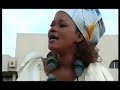
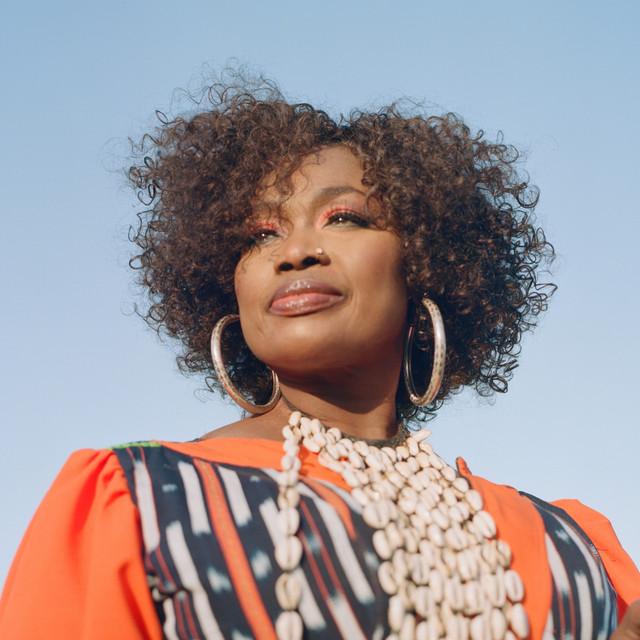
Nahawa Doumbia’s Spotify BioThe year 2000 saw Nahawa Doumbia establish herself as one of the leading singers of Wassoulou music, as the pentatonic sound of southern Mali is known. A haven of strong women vocalists, Doumbia's Yaala album and her collaboration with French DJ Frederic Galliano pushed her firmly into the public eye. Born in Mafélé, near the border with the Ivory Coast, Doumbia was raised by her grandmother, her mother having died shortly having given birth to her. But before she died, she predicted her daughter would be a singer -- something surprising, since she didn't come from the jeli caste, the hereditary singers. It was something her grandparents tried to fight, but it seemed as if the prediction was correct. Doumbia would sing with her friends, and was eventually discovered in 1980 by civil servants from the country's Ministry of Culture, and persuaded to sing in the National Youth Week, organized by the Ministry to discover new talent. Doumbia won the contest, singing "Tinye De La Laban,"… which brought government support for her singing, allowing her to develop her style, based on the traditional didadi rhythm of her native region. Even so, it wasn't until 1988 that she issued her first album, Didadi (1989 U.S. release). It's very Western gloss was at odds with the rootsiness of her voice. Two years later, she brought things more back to the ground, collaborating with a host of African talent, such as guitarist Rigo Starr and members of Salif Keita's band. Mangoni, in 1993, followed a similar plot line. Her voice had developed, but she hadn't really found her individuality yet. That started to flower with Yaknaw in 1997, which unleashed a true Wassoulou sound, similar to that of Oumou Sangare, who'd already gone on to international success. Like Sangare, Doumbia is a feminist, her lyrics powerfully against polygamy, for the rights of women and children, and they received an airing on 1999's Bougouni. The finest flower, however, came with Yaala. Working with her band, who played largely traditional instruments, plus French producer/guitarist Claude Barthélémy, she forged a truly incisive sound, that captured her voice at the height of its power. It came at the same time as she was featured on Frederic Galliano's Frikyawa Collection 1, taking tracks from the French label Cobalt, and remixing them to dancefloor effect. Doumbia also played U.S. dates with Galliano augmenting her band on turntables and effects, for a real marriage of the ancient and modern that brought as much press and praise as Yaala. ~ Chris Nickson, Rovi
Viberate is a music analytics platform built for A&Rs, artist managers, labels, booking agents, marketers, and artists.
It helps music professionals track artist growth, analyze audience data, monitor playlist activity, compare artists, follow song performance, and identify opportunities across the music market.
Public artist pages provide a free preview of selected artist data. Paid plans provide access to deeper analytics, historical data, charts, comparisons, playlist tools, exports, alerts, reports, and additional professional features.
Yes. Public Viberate artist pages provide selected artist analytics and music data for free.
Viberate also offers a 7-day free trial of the full platform. A credit card is required to start the trial. The trial includes access to the complete product so users can test deeper artist analytics, historical views, playlist insights, comparisons, charts, exports, alerts, and reporting features before choosing a paid plan.
Viberate provides artist analytics across streaming, playlists, social media, video, radio airplay, songs, and audience markets.
Users can analyze Spotify performance, Spotify and Apple Music playlists, YouTube activity, TikTok and Instagram growth, radio spins, song performance, audience locations, demographics, rankings, and overall artist momentum.
Artist profiles also connect to music charts, similar artists, and comparison tools, helping users benchmark performance and evaluate artists in context.
Viberate updates key artist and track data daily.
For followed artists and tracks, selected data is refreshed multiple times per day. This helps teams monitor playlist changes, streaming movement, audience growth, releases, and campaign performance with more current data.
Update frequency can vary depending on the metric and data source.
Yes. Viberate lets users compare up to five artists side by side across streaming, social media, audience, and engagement metrics.
Users can compare fanbase growth, audience demographics, locations, Spotify performance, social metrics, and other artist data over selected time periods.
Artist comparison can be used for A&R scouting, benchmarking, booking decisions, campaign planning, and evaluating artists with similar audiences or market positions.