Mystikal

Hip Hop
Contemporary Hip Hop
 Viberate Rank: 11913
 Viberate Rank: 11913
 Monthly ListenersFollowers
 Subscribers
 Followers
 Followers
 FansTop Spotify Songs
| Track | 7-Day Streams | |
|---|---|---|
1 | 405.31K | |
2 | 184.21K | |
3 | 163.49K | |
4 | 133.89K | |
5 | 105.54K |
Top YouTube Videos| Video | 7-Day Views | |
|---|---|---|
1 | 83.38K | |
2 | 26.31K | |
3 | 16.01K | |
4 | 10.98K | |
5 | 7.52K |
Monthly ListenersFeatured in Playlists| Playlist | Followers | |
|---|---|---|
1 |  2000s HITS Y2K THROWBACKS Filtr US | 1.57M |
2 |  clubbing like it's the 2000's kass !! | 982.94K |
3 |  Old School Hip Hop Filtr Sweden | 779.20K |
4 |  Down South Classics Spotify | 593.43K |
5 |  Hip Hop 90's & 2000's - Classics Bruno Braga | 452.72K |
Audience| City | Monthly Listeners | |
|---|---|---|
1 | | 17.33K |
2 | | 15.74K |
3 | | 15.46K |
4 | | 14.44K |
5 | | 12.98K |
See full performance history, audience data, playlist activity, rankings, comparisons, and more in Viberate music analytics. Start with a free trial, then continue with a paid plan.
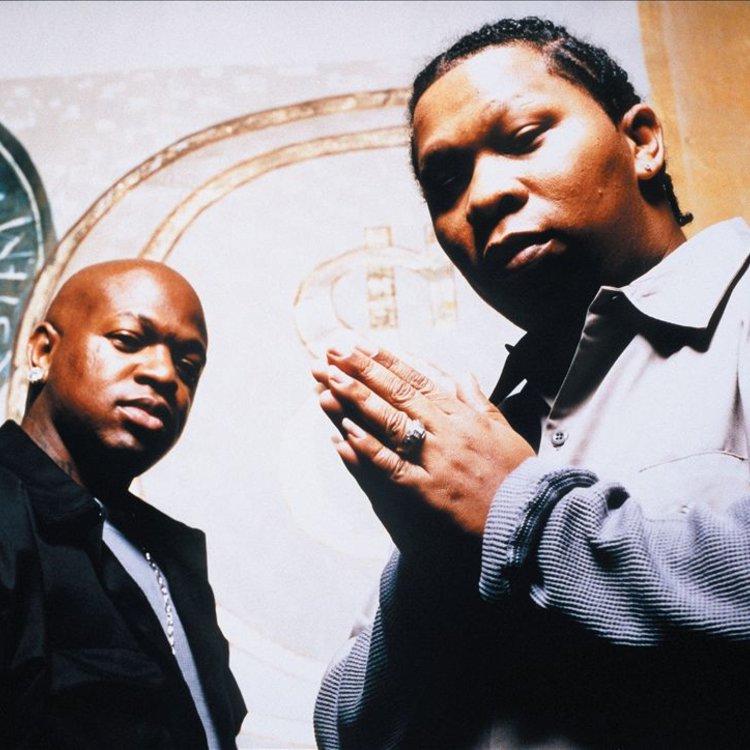
Mystikal’s Spotify BioOnce one of the leading rappers on Master P's No Limit record label, Mystikal quickly evolved beyond the label's clichéd thug trappings and found himself one of the Dirty South's most recognized rappers, alongside the likes of Juvenile and Ludacris. Like No Limit itself, Mystikal is a New Orleans native. He released an eponymous debut on the independent label Big Boy in June 1995. It earned the attention of Jive Records, who signed him later that year. His official major-label debut, Mind of Mystikal, was released in October 1996 and became a major hit in the rap underground, falling just short of going gold.
The MC then hooked up with Master P and No Limit, along with the label's Beats by the Pound production team. This union produced Unpredictable, which was released in November 1997 and helped the rapper build a substantial following. It peaked at number one on Billboard's Top R&B/Hip-Hop Albums chart, reached number three on the Billboard 200, and eventually went platinum. Ghetto… Fabulous, also driven by Beats by the Pound, followed in December 1998; it topped the R&B/Hip Hop Chart as well and debuted at number five on the Billboard 200. Despite a move to the Jive label, Mystikal wasted no time in issuing a follow-up. Let's Get Ready appeared in September 2000 and went double platinum. Driven by the James Brown-like Neptunes production "Shake Ya Ass" as a lead single -- an MTV staple before the album even hit the streets -- the album featured a vast range of productions from Earthtone III, Bink!, and the Medicine Men (a newer incarnation of Beats by the Pound). Let's Get Ready demonstrated the wide-reaching ambitions that had only been hinted at in previous releases. Mystikal made his unique rhyme delivery accessible enough to reach a significantly wider audience.
Mystikal released his sixth album, Tarantula, in December 2001. "Bouncin' Back (Bumpin' Me Against the Wall)," another funky Neptunes collaboration, was one of 2002's hottest singles. The following year, Mystikal garnered Grammy nominations in the categories of Best Male Rap Solo Performance and Best Rap Album. Tarantuala eventually reached gold status but didn't come close to eclipsing his most popular output. From January 2004 through January 2010, the rapper served a prison term for sexual battery. Shortly after he regained his freedom, he collaborated with one-time No Limit labelmate Fiend, as well as R&B singer Lloyd, and performed at the 2011 Gathering of the Juggalos festival. Plans for a seventh album were derailed by more issues with the law. ~ Stephen Thomas Erlewine & Andy Kellman, Rovi
Viberate is a music analytics platform built for A&Rs, artist managers, labels, booking agents, marketers, and artists.
It helps music professionals track artist growth, analyze audience data, monitor playlist activity, compare artists, follow song performance, and identify opportunities across the music market.
Public artist pages provide a free preview of selected artist data. Paid plans provide access to deeper analytics, historical data, charts, comparisons, playlist tools, exports, alerts, reports, and additional professional features.
Yes. Public Viberate artist pages provide selected artist analytics and music data for free.
Viberate also offers a 7-day free trial of the full platform. A credit card is required to start the trial. The trial includes access to the complete product so users can test deeper artist analytics, historical views, playlist insights, comparisons, charts, exports, alerts, and reporting features before choosing a paid plan.
Viberate provides artist analytics across streaming, playlists, social media, video, radio airplay, songs, and audience markets.
Users can analyze Spotify performance, Spotify and Apple Music playlists, YouTube activity, TikTok and Instagram growth, radio spins, song performance, audience locations, demographics, rankings, and overall artist momentum.
Artist profiles also connect to music charts, similar artists, and comparison tools, helping users benchmark performance and evaluate artists in context.
Viberate updates key artist and track data daily.
For followed artists and tracks, selected data is refreshed multiple times per day. This helps teams monitor playlist changes, streaming movement, audience growth, releases, and campaign performance with more current data.
Update frequency can vary depending on the metric and data source.
Yes. Viberate lets users compare up to five artists side by side across streaming, social media, audience, and engagement metrics.
Users can compare fanbase growth, audience demographics, locations, Spotify performance, social metrics, and other artist data over selected time periods.
Artist comparison can be used for A&R scouting, benchmarking, booking decisions, campaign planning, and evaluating artists with similar audiences or market positions.