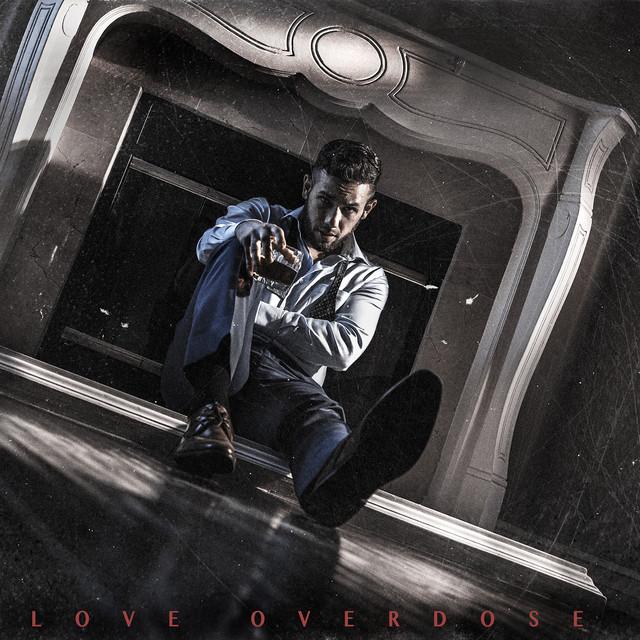
My Crazy Girlfriend

Pop
Mainstream Pop
Alternative Hip Hop
 Viberate Rank: 326909
 Viberate Rank: 326909
 Monthly ListenersFollowers
 Subscribers
 Followers
 Followers
 FansTop Spotify Songs
| Track | 7-Day Streams | |
|---|---|---|
1 | 290 | |
2 | 130 | |
3 | 10 | |
4 | 6 | |
5 | 6 |
Top YouTube VideosMonthly ListenersFeatured in Playlists| Playlist | Followers | |
|---|---|---|
1 |  Gay Pride 2026 🏳️🌈 #pressplayforpride Marco Antonio Espinosa | 24.89K |
2 | Party Songs dinorahj | 12.57K |
3 | Breakup Songs Jess | 12.19K |
4 |  Bad Girls Do It Well Gabrielle Knauer | 5.19K |
5 | Beautiful Girls agvend | 3.80K |
Audience| City | Monthly Listeners | |
|---|---|---|
1 | | 30 |
2 | | 24 |
3 |  | 18 |
4 | | 18 |
5 | | 18 |
See full performance history, audience data, playlist activity, rankings, comparisons, and more in Viberate music analytics. Start with a free trial, then continue with a paid plan.
My Crazy Girlfriend’s Spotify BioFormed by the production duo of Bennett "Laze" Armstrong and Justyn "Royal" Armstrong, My Crazy Girlfriend came on the scene like a next-generation Black Eyed Peas, mixing pop and hip-hop and conquering the dance charts along the way. Twin brothers, Laze and Royal had already worked with artists like Bruno Mars and Kesha, and had performed as a duo under the name 2XL, when they formed My Crazy Girlfriend in 2012. 2XL associate and Britney Spears backup singer Myah Marie joined the group along with singer/rapper Cosmo, and the quartet moved in together, sharing an apartment that was strategically located across from the Capitol Records building. It worked, as a year later they were signed to the label, which released their debut single, "Go F**k Yourself," in late 2013. A mix of slick and squeaky clean beats plus an F-bomb-dropping chorus, it climbed to the top of Billboard's Dance Charts in 2014, the same year that the group released the follow-up single "Crazy Stupid Love." ~ David… Jeffries
Viberate is a music analytics platform built for A&Rs, artist managers, labels, booking agents, marketers, and artists.
It helps music professionals track artist growth, analyze audience data, monitor playlist activity, compare artists, follow song performance, and identify opportunities across the music market.
Public artist pages provide a free preview of selected artist data. Paid plans provide access to deeper analytics, historical data, charts, comparisons, playlist tools, exports, alerts, reports, and additional professional features.
Yes. Public Viberate artist pages provide selected artist analytics and music data for free.
Viberate also offers a 7-day free trial of the full platform. A credit card is required to start the trial. The trial includes access to the complete product so users can test deeper artist analytics, historical views, playlist insights, comparisons, charts, exports, alerts, and reporting features before choosing a paid plan.
Viberate provides artist analytics across streaming, playlists, social media, video, radio airplay, songs, and audience markets.
Users can analyze Spotify performance, Spotify and Apple Music playlists, YouTube activity, TikTok and Instagram growth, radio spins, song performance, audience locations, demographics, rankings, and overall artist momentum.
Artist profiles also connect to music charts, similar artists, and comparison tools, helping users benchmark performance and evaluate artists in context.
Viberate updates key artist and track data daily.
For followed artists and tracks, selected data is refreshed multiple times per day. This helps teams monitor playlist changes, streaming movement, audience growth, releases, and campaign performance with more current data.
Update frequency can vary depending on the metric and data source.
Yes. Viberate lets users compare up to five artists side by side across streaming, social media, audience, and engagement metrics.
Users can compare fanbase growth, audience demographics, locations, Spotify performance, social metrics, and other artist data over selected time periods.
Artist comparison can be used for A&R scouting, benchmarking, booking decisions, campaign planning, and evaluating artists with similar audiences or market positions.