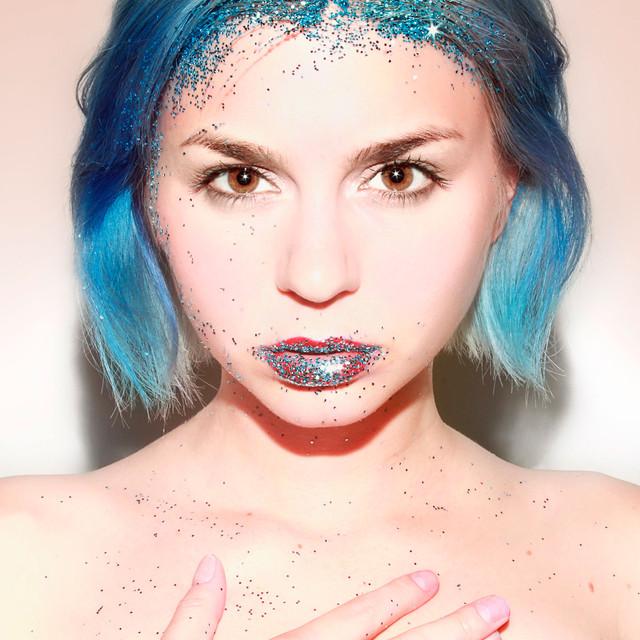
Colette Carr

Electronic
Dance
Other Electronic Music
 Viberate Rank: 123304
 Viberate Rank: 123304
 Monthly ListenersFollowers
 Subscribers
 Followers
 Followers
 FansTop Spotify Songs
| Track | 7-Day Streams | |
|---|---|---|
1 | 438 | |
2 | 398 | |
3 | 274 | |
4 | 219 | |
5 | 189 |
Top YouTube VideosMonthly ListenersFeatured in Playlists| Playlist | Followers | |
|---|---|---|
1 |  My 2007 Pink iPod Nano Jordan Aaliyah Robinson | 15.13K |
2 |  Arteezy Playlist adrian | 10.74K |
3 |  Sluttacious bimbofication jgoforth420 | 4.12K |
4 |  Bay Area - The One Jose Jr Puga | 3.16K |
5 | Allie Taylor | 3.13K |
Audience| City | Monthly Listeners | |
|---|---|---|
1 | | 53 |
2 | | 40 |
3 | | 32 |
4 |  | 31 |
5 | | 28 |
See full performance history, audience data, playlist activity, rankings, comparisons, and more in Viberate music analytics. Start with a free trial, then continue with a paid plan.
Colette Carr’s Spotify BioLos Angeles-based singer/songwriter Colette Carr began her career by combining pop and rap, but soon switched to confessional synth pop. As a child, Carr had diverse musical tastes, listening to the Smiths, Jimi Hendrix, Gwen Stefani, and Talking Heads before discovering rap. In turn, she was discovered in 2008 at a Game concert -- in the most hardcore of hardcore rap surroundings -- as a call-out for freestylers in the audience, which drew Carr on-stage. She wowed the crowd and was pulled backstage where producers, including the successful crew the Cataracs, offered the young singer their card. In 2009 she released her debut single, "Back It Up," a viral hit that caught the attention of Nick Cannon, who signed Carr to his N'Credible record label. The single "Bitch Like Me" followed in 2010 along with the mixtape Sex Sells Stay Tuned. She released her debut album, Skitzo, in 2013 with production coming from the Cataracs, RedOne, and FrankMusik, while guest artists included rapper E-40 …and industrial pop singer Porcelain Black. She continued her collaboration with FrankMusik in a new, soul-bearing musical direction, the first taste of which was the early-2016 single "Play House." The Static.Start. EP followed a few months later. ~ David Jeffries, Rovi
Viberate is a music analytics platform built for A&Rs, artist managers, labels, booking agents, marketers, and artists.
It helps music professionals track artist growth, analyze audience data, monitor playlist activity, compare artists, follow song performance, and identify opportunities across the music market.
Public artist pages provide a free preview of selected artist data. Paid plans provide access to deeper analytics, historical data, charts, comparisons, playlist tools, exports, alerts, reports, and additional professional features.
Yes. Public Viberate artist pages provide selected artist analytics and music data for free.
Viberate also offers a 7-day free trial of the full platform. A credit card is required to start the trial. The trial includes access to the complete product so users can test deeper artist analytics, historical views, playlist insights, comparisons, charts, exports, alerts, and reporting features before choosing a paid plan.
Viberate provides artist analytics across streaming, playlists, social media, video, radio airplay, songs, and audience markets.
Users can analyze Spotify performance, Spotify and Apple Music playlists, YouTube activity, TikTok and Instagram growth, radio spins, song performance, audience locations, demographics, rankings, and overall artist momentum.
Artist profiles also connect to music charts, similar artists, and comparison tools, helping users benchmark performance and evaluate artists in context.
Viberate updates key artist and track data daily.
For followed artists and tracks, selected data is refreshed multiple times per day. This helps teams monitor playlist changes, streaming movement, audience growth, releases, and campaign performance with more current data.
Update frequency can vary depending on the metric and data source.
Yes. Viberate lets users compare up to five artists side by side across streaming, social media, audience, and engagement metrics.
Users can compare fanbase growth, audience demographics, locations, Spotify performance, social metrics, and other artist data over selected time periods.
Artist comparison can be used for A&R scouting, benchmarking, booking decisions, campaign planning, and evaluating artists with similar audiences or market positions.