Mouthwash

Punk
Ska Punk
 Viberate Rank: 497862
 Viberate Rank: 497862
 Monthly ListenersFollowers
 Subscribers
 Followers
 Followers
 FansTop Spotify Songs
| Track | 7-Day Streams | |
|---|---|---|
1 | 420 | |
2 | 187 | |
3 | 71 | |
4 | 45 | |
5 | 31 |
Top YouTube VideosMonthly ListenersFeatured in Playlists| Playlist | Followers | |
|---|---|---|
1 |  Give Em The Boot I - V CptFuzzball | 2.67K |
2 | Punk, oi!, hardcore, ska, early reggae, skacore, thrash, grindcore, psychobilly, doom, powerviolence SurfSkateThrash | 2.16K |
3 |  Hellcat Records Rancid Ernie | 1.19K |
4 |  The Best Ska Bands You've Never Heard Of Chris Malone | 1.12K |
5 |  Give Em The Boot - Hellcat Records jhubbard3889 | 1.06K |
Audience| City | Monthly Listeners | |
|---|---|---|
1 | | 33 |
2 |  | 31 |
3 |  | 19 |
4 | | 19 |
5 | | 17 |
See full performance history, audience data, playlist activity, rankings, comparisons, and more in Viberate music analytics. Start with a free trial, then continue with a paid plan.
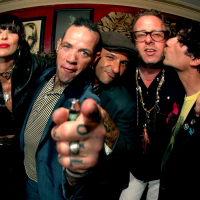
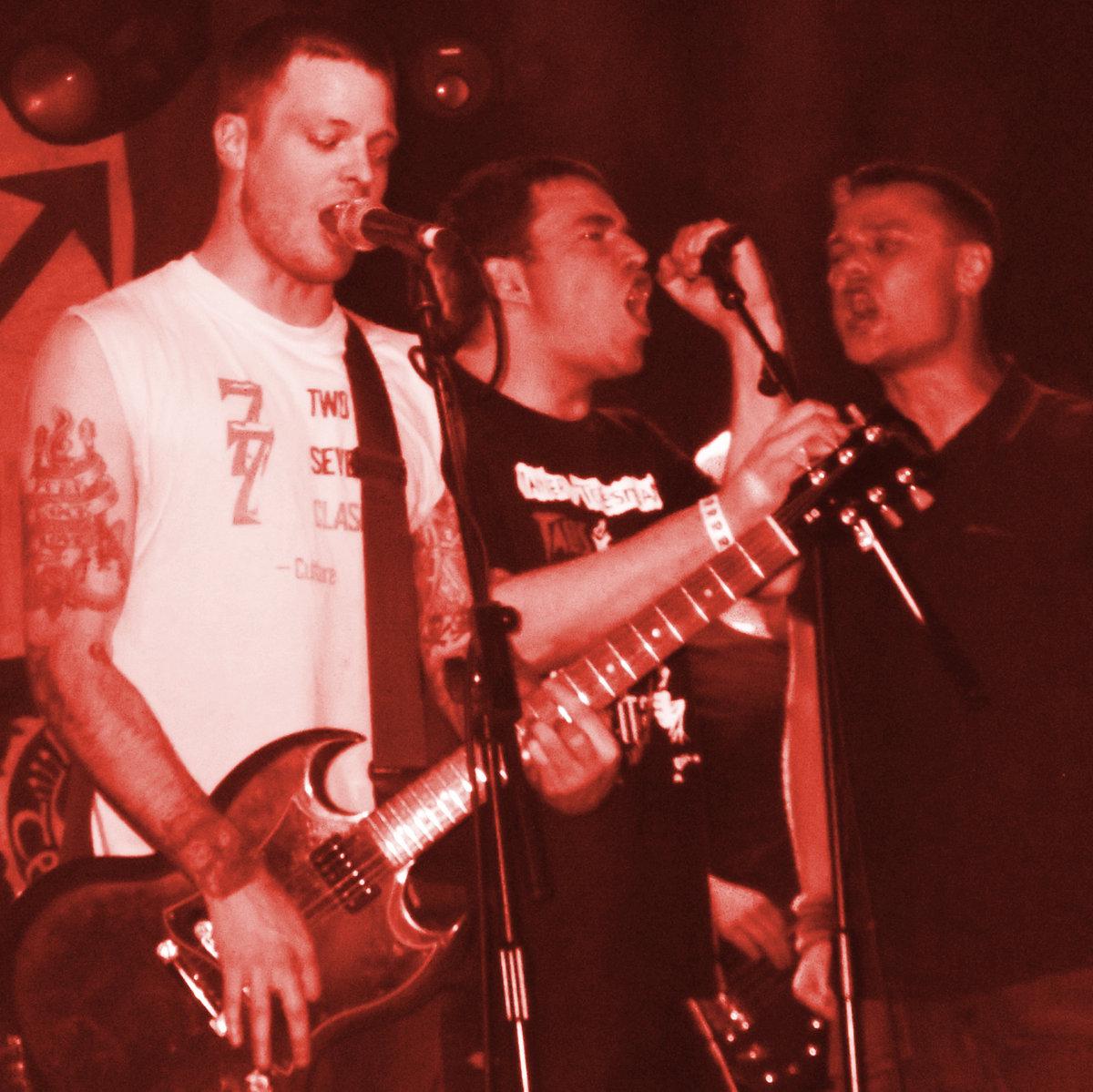
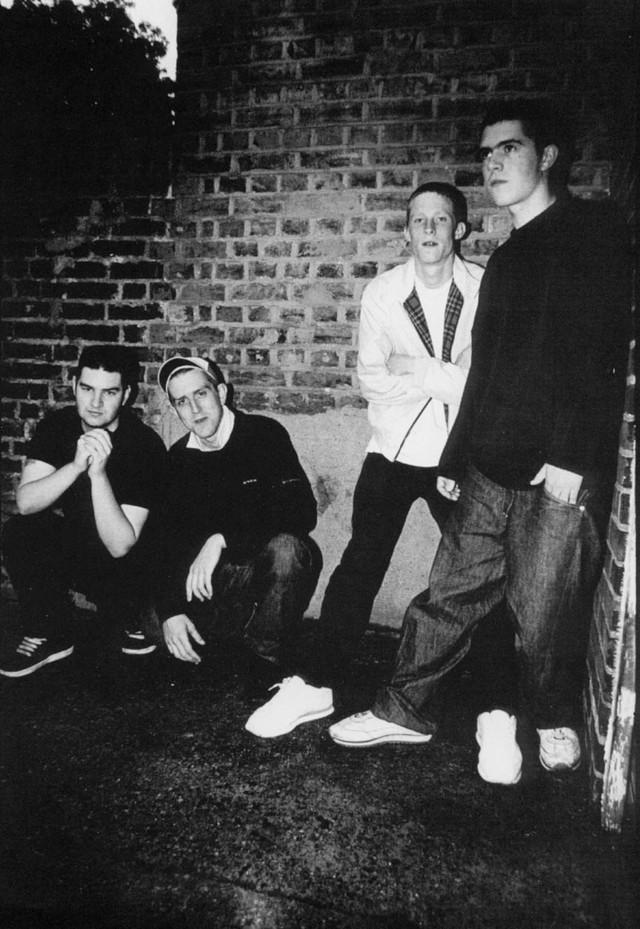
Mouthwash’s Spotify BioThe U.K. four-piece Mouthwash is composed of frontman Ben McCarthy, guitarist Robert Tortelli, bassist Rich Fry, and drummer Chris Hugall that originally formed as a trio in 1995 while the mates were still wee teenagers. Incorporating their own brandish hardcore punk, Mouthwash played into influences such as Minor Threat, Operation Ivy, and Bad Religion. By the late '90s, Mouthwash was playing area gigs around London and issued the Music for the Average Ninja EP while forming their own label, Hot Wok Records. It was during this time that Fry officially came on board for bass duties, which allowed McCarthy more time to focus on his priorities as the band's chief songwriter and full-time vocalist. Throughout the remainder of the '90s, Mouthwash opened shows for the Vandals, Hepcat, Agnostic Front, Rancid, the Get Up Kids, and Vanilla Pod. Rancid's Tim Armstrong was instantly taken to the fierce embodiment of the band and asked Mouthwash to be a part of his record group, Hellcat Records.… A self-titled EP was issued in late 1998 with the band also participating on various Hellcat compilations. A debut full-length 1000 Dreams was released in early 2001. ~ MacKenzie Wilson, Rovi
Viberate is a music analytics platform built for A&Rs, artist managers, labels, booking agents, marketers, and artists.
It helps music professionals track artist growth, analyze audience data, monitor playlist activity, compare artists, follow song performance, and identify opportunities across the music market.
Public artist pages provide a free preview of selected artist data. Paid plans provide access to deeper analytics, historical data, charts, comparisons, playlist tools, exports, alerts, reports, and additional professional features.
Yes. Public Viberate artist pages provide selected artist analytics and music data for free.
Viberate also offers a 7-day free trial of the full platform. A credit card is required to start the trial. The trial includes access to the complete product so users can test deeper artist analytics, historical views, playlist insights, comparisons, charts, exports, alerts, and reporting features before choosing a paid plan.
Viberate provides artist analytics across streaming, playlists, social media, video, radio airplay, songs, and audience markets.
Users can analyze Spotify performance, Spotify and Apple Music playlists, YouTube activity, TikTok and Instagram growth, radio spins, song performance, audience locations, demographics, rankings, and overall artist momentum.
Artist profiles also connect to music charts, similar artists, and comparison tools, helping users benchmark performance and evaluate artists in context.
Viberate updates key artist and track data daily.
For followed artists and tracks, selected data is refreshed multiple times per day. This helps teams monitor playlist changes, streaming movement, audience growth, releases, and campaign performance with more current data.
Update frequency can vary depending on the metric and data source.
Yes. Viberate lets users compare up to five artists side by side across streaming, social media, audience, and engagement metrics.
Users can compare fanbase growth, audience demographics, locations, Spotify performance, social metrics, and other artist data over selected time periods.
Artist comparison can be used for A&R scouting, benchmarking, booking decisions, campaign planning, and evaluating artists with similar audiences or market positions.