The Gadjits

Reggae
Ska
Ska Punk
 Viberate Rank: 261059
 Viberate Rank: 261059
 Monthly ListenersFollowers
 Subscribers
 Followers
 Followers
 FansTop Spotify Songs
| Track | 7-Day Streams | |
|---|---|---|
1 | 2.74K | |
2 | 969 | |
3 | 823 | |
4 | 574 | |
5 | 321 |
Top YouTube VideosMonthly ListenersFeatured in Playlists| Playlist | Followers | |
|---|---|---|
1 | SKA Kevin McLaughlin | 111.43K |
2 |  Best of SKA PUNK SKA PUNK DAILY | 34.83K |
3 |  Ska Punk Essentials Kousa_cs | 33.50K |
4 |  Oi! Oi! Trojan Skinheads Fernando Cavalcante | 6.22K |
5 | The Best Ska Mix Ever Trent Walker | 4.20K |
Audience| City | Monthly Listeners | |
|---|---|---|
1 | | 179 |
2 | | 135 |
3 | | 115 |
4 | | 111 |
5 |  | 107 |
See full performance history, audience data, playlist activity, rankings, comparisons, and more in Viberate music analytics. Start with a free trial, then continue with a paid plan.
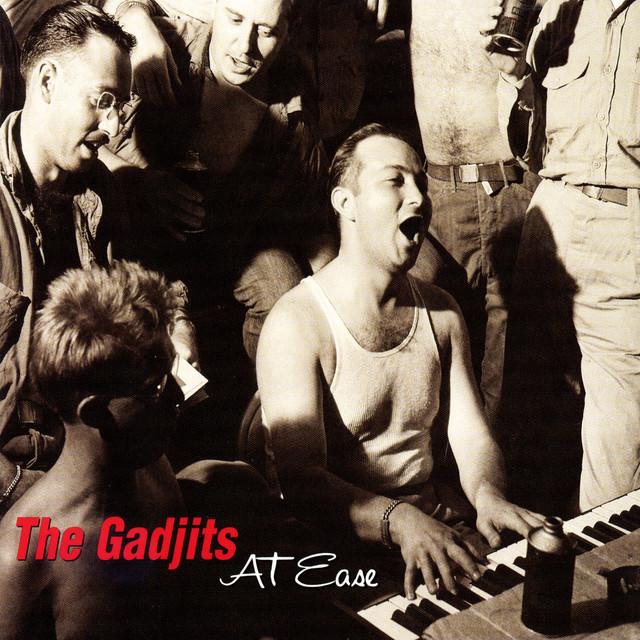
The Gadjits’ Spotify BioThe Kansas City, Missouri-based ska revival band the Gadjits was essentially a vehicle for the three Phillips brothers: vocalist/guitarist Brandon, bassist Zach and drummer Adam. The sons of a jazz musician and his art teacher wife, the siblings played music together from early childhood onward -- originally an AC/DC cover band, in time they began incorporating elements of punk, ska, reggae and swing into their sound, soon beginning to write their own material as well. The Gadjits' debut LP, Da Gravy on Yo' Grits, was issued on their own JoCo Ska label, and its local success won the group opening slots for bands including the Skatalites, Rancid and Let's Go Bowling; in time, they added keyboardist Heidi Blobaum to their ranks, replacing her a year later with Hillary Allen when Blobaum departed to attend college. Upon signing to Hellcat Records, a label spearheaded by Rancid's Tim Armstrong, the Gadjits -- their average age still just 17 -- issued At Ease in 1998. A berth on that… summer's Warped package tour followed, setting the stage for 1999's Wish We Never Met. ~ Jason Ankeny, Rovi
Viberate is a music analytics platform built for A&Rs, artist managers, labels, booking agents, marketers, and artists.
It helps music professionals track artist growth, analyze audience data, monitor playlist activity, compare artists, follow song performance, and identify opportunities across the music market.
Public artist pages provide a free preview of selected artist data. Paid plans provide access to deeper analytics, historical data, charts, comparisons, playlist tools, exports, alerts, reports, and additional professional features.
Yes. Public Viberate artist pages provide selected artist analytics and music data for free.
Viberate also offers a 7-day free trial of the full platform. A credit card is required to start the trial. The trial includes access to the complete product so users can test deeper artist analytics, historical views, playlist insights, comparisons, charts, exports, alerts, and reporting features before choosing a paid plan.
Viberate provides artist analytics across streaming, playlists, social media, video, radio airplay, songs, and audience markets.
Users can analyze Spotify performance, Spotify and Apple Music playlists, YouTube activity, TikTok and Instagram growth, radio spins, song performance, audience locations, demographics, rankings, and overall artist momentum.
Artist profiles also connect to music charts, similar artists, and comparison tools, helping users benchmark performance and evaluate artists in context.
Viberate updates key artist and track data daily.
For followed artists and tracks, selected data is refreshed multiple times per day. This helps teams monitor playlist changes, streaming movement, audience growth, releases, and campaign performance with more current data.
Update frequency can vary depending on the metric and data source.
Yes. Viberate lets users compare up to five artists side by side across streaming, social media, audience, and engagement metrics.
Users can compare fanbase growth, audience demographics, locations, Spotify performance, social metrics, and other artist data over selected time periods.
Artist comparison can be used for A&R scouting, benchmarking, booking decisions, campaign planning, and evaluating artists with similar audiences or market positions.