Mourning High

Metal
Thrash Metal
 Viberate Rank: 166340
 Viberate Rank: 166340
 Monthly ListenersFollowers
 Subscribers
 Followers
 Followers
 FansTop Spotify Songs
| Track | 7-Day Streams | |
|---|---|---|
1 | 2.45K | |
2 | 1.69K | |
3 | 1.34K | |
4 | 979 | |
5 | 543 |
Top YouTube VideosMonthly ListenersFeatured in Playlists| Playlist | Followers | |
|---|---|---|
1 |  Heavy Metal Instrumentals 🎸 JaviFlames | 13.79K |
2 |  METAL, ROCK Y HARD ROCK Jorge A. Madrigal | 5.82K |
3 |  Waves of Electric Fire - Metal Blossora | 4.83K |
4 | Covers That Are A Different Genre Than The Original Song Summer Mutz | 2.98K |
5 |  Metal ElisJW | 2.21K |
Audience| City | Monthly Listeners | |
|---|---|---|
1 | | 212 |
2 |  | 204 |
3 |  | 195 |
4 |  | 182 |
5 | | 165 |
See full performance history, audience data, playlist activity, rankings, comparisons, and more in Viberate music analytics. Start with a free trial, then continue with a paid plan.
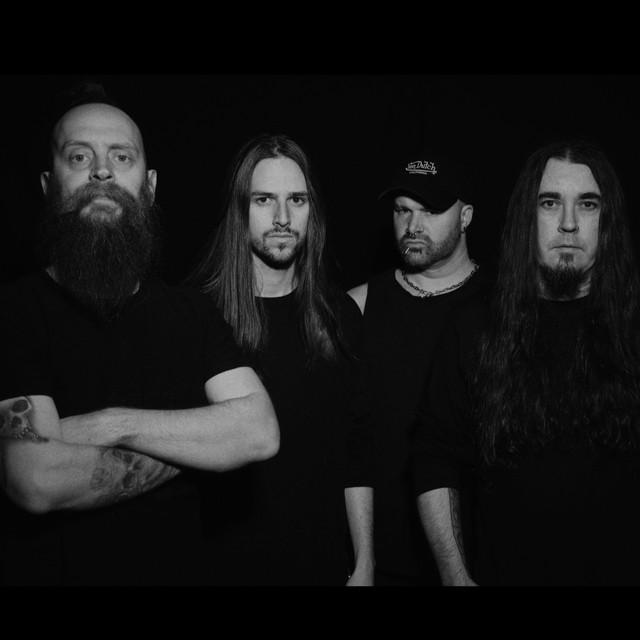
Mourning High’s Spotify BioDiscipline and consistency. These are the principles that Mourning High was founded on. Shortly after entering the summer of 2019, guitarists Ryan Williams and Reid Balog started their music journey. Despite understanding how difficult a career in the music industry was, they put the work in to make up for their late start and lack of skill. Twelve months after Reid and Ryan began to carve their path, bassist Tyler Parsons pioneered his craft on electric guitar. From that point two years of hard work passed, and the time had come to officially form a band. Formulating a game plan and committing to the name Mourning High, Reid and Ryan met with Tyler to discuss a possible switch from guitar to bass. To their surprise, Tyler beat them to the idea and proposed it himself. This is also where the three members decided Reid would fill the vocal roll. With all three members moving to the Tempe, Arizona area for university, the hunt for a drummer began. After ending their affiliation with the… first drummer in the lineup, the drum deity appeared. Jake Victor, the special sauce to Mourning Highs neck snapping yet tasteful sound. With their influence being mostly 70's, 80's, and 90's rock & metal, you can expect tasteful melodies, as well as high speed jaw locking riffs and dual leads. The plan is simple, yet effective and thus far has been executed correctly in every way. Consistency and discipline. This is Mourning High, welcome to the new generation of Metal & Rock & Roll.
Viberate is a music analytics platform built for A&Rs, artist managers, labels, booking agents, marketers, and artists.
It helps music professionals track artist growth, analyze audience data, monitor playlist activity, compare artists, follow song performance, and identify opportunities across the music market.
Public artist pages provide a free preview of selected artist data. Paid plans provide access to deeper analytics, historical data, charts, comparisons, playlist tools, exports, alerts, reports, and additional professional features.
Yes. Public Viberate artist pages provide selected artist analytics and music data for free.
Viberate also offers a 7-day free trial of the full platform. A credit card is required to start the trial. The trial includes access to the complete product so users can test deeper artist analytics, historical views, playlist insights, comparisons, charts, exports, alerts, and reporting features before choosing a paid plan.
Viberate provides artist analytics across streaming, playlists, social media, video, radio airplay, songs, and audience markets.
Users can analyze Spotify performance, Spotify and Apple Music playlists, YouTube activity, TikTok and Instagram growth, radio spins, song performance, audience locations, demographics, rankings, and overall artist momentum.
Artist profiles also connect to music charts, similar artists, and comparison tools, helping users benchmark performance and evaluate artists in context.
Viberate updates key artist and track data daily.
For followed artists and tracks, selected data is refreshed multiple times per day. This helps teams monitor playlist changes, streaming movement, audience growth, releases, and campaign performance with more current data.
Update frequency can vary depending on the metric and data source.
Yes. Viberate lets users compare up to five artists side by side across streaming, social media, audience, and engagement metrics.
Users can compare fanbase growth, audience demographics, locations, Spotify performance, social metrics, and other artist data over selected time periods.
Artist comparison can be used for A&R scouting, benchmarking, booking decisions, campaign planning, and evaluating artists with similar audiences or market positions.