Mount Westmore

Hip Hop
Contemporary Hip Hop
 Viberate Rank: 66196
 Viberate Rank: 66196
 Monthly ListenersFollowers
 Subscribers
 Followers
 Followers
 FansTop Spotify Songs
| Track | 7-Day Streams | |
|---|---|---|
1 | 110.11K | |
2 | 8.47K | |
3 | 6.16K | |
4 | 5.11K | |
5 | 5.08K |
Top YouTube VideosMonthly ListenersFeatured in Playlists| Playlist | Followers | |
|---|---|---|
1 |  Westside Spotify | 751.01K |
2 |  This Is Ice Cube Spotify | 229.29K |
3 |  Radio Los Santos (GTAV) Rockstar Games | 162.07K |
4 |  West Coast Classics/Rap Classics | 132.77K |
5 |  Snoop Dogg: Greatest Hits AC | 51.69K |
Audience| City | Monthly Listeners | |
|---|---|---|
1 | | 7.83K |
2 | | 7.14K |
3 | | 5.18K |
4 | | 4.51K |
5 | | 4.26K |
See full performance history, audience data, playlist activity, rankings, comparisons, and more in Viberate music analytics. Start with a free trial, then continue with a paid plan.
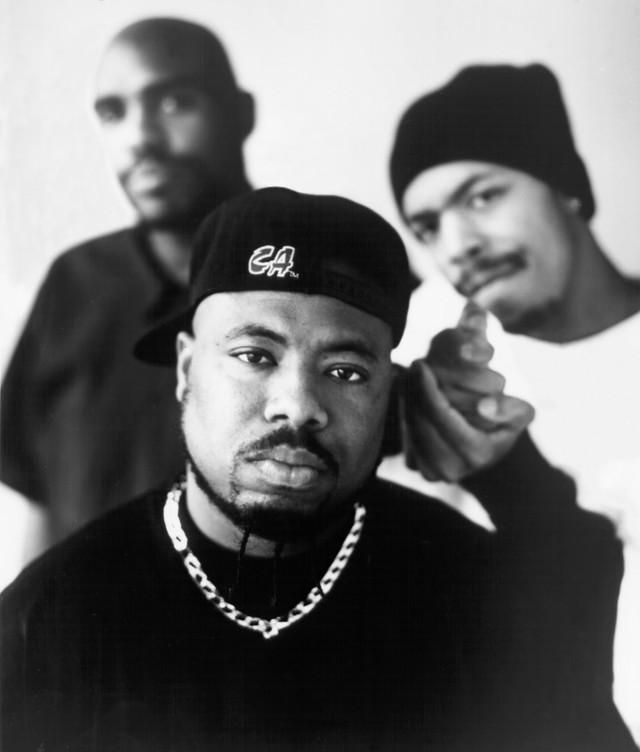
Mount Westmore’s Spotify BioIndisputably a supergroup, Mount Westmore consists of Too $hort, E-40, Ice Cube, and Snoop Dogg, icons of West Coast rap -- and hip-hop at large -- with well over 40 gold and platinum albums between them. The four MCs had recorded together in varying combinations dating back three decades before they debuted as a group in 2021. Their first album together, an expectedly brash and funky set known as both Bad MFs and Snoop Cube 40 $hort, followed the next year.
The first commercially released collaboration between future Mount Westmore members appeared in 1990, when Ice Cube appeared on Too $hort's Short Dog's in the House. Among many subsequent collaborations were E-40's 1996 Top 40 crossover hit "Rapper's Ball," featuring Too $hort, and a pair of albums by those two Bay Area legends, released in 2012, that reached the Top Ten of Billboard's rap chart. Formed in 2020, Mount Westmore was conceived by E-40, who first invited Ice Cube, banking on the involvement of the N.W.A pioneer as a… means to attract the other members. After Too $hort and Snoop Dogg were added to the mix, the quartet made their first appearances in 2021, first on the soundtrack of American Skin (the pro-Black "Step Child") and then the Def Jam compilation Snoop Dogg Presents Algorithm (the irreverent "Big Subwoofer"). Their first full-length project was originally issued in mid-2022 as an NFT titled Bad MFs. For wide release, the album was reconfigured as Snoop Cube 40 $hort, which appeared in December 2022. ~ Andy Kellman, Rovi
Viberate is a music analytics platform built for A&Rs, artist managers, labels, booking agents, marketers, and artists.
It helps music professionals track artist growth, analyze audience data, monitor playlist activity, compare artists, follow song performance, and identify opportunities across the music market.
Public artist pages provide a free preview of selected artist data. Paid plans provide access to deeper analytics, historical data, charts, comparisons, playlist tools, exports, alerts, reports, and additional professional features.
Yes. Public Viberate artist pages provide selected artist analytics and music data for free.
Viberate also offers a 7-day free trial of the full platform. A credit card is required to start the trial. The trial includes access to the complete product so users can test deeper artist analytics, historical views, playlist insights, comparisons, charts, exports, alerts, and reporting features before choosing a paid plan.
Viberate provides artist analytics across streaming, playlists, social media, video, radio airplay, songs, and audience markets.
Users can analyze Spotify performance, Spotify and Apple Music playlists, YouTube activity, TikTok and Instagram growth, radio spins, song performance, audience locations, demographics, rankings, and overall artist momentum.
Artist profiles also connect to music charts, similar artists, and comparison tools, helping users benchmark performance and evaluate artists in context.
Viberate updates key artist and track data daily.
For followed artists and tracks, selected data is refreshed multiple times per day. This helps teams monitor playlist changes, streaming movement, audience growth, releases, and campaign performance with more current data.
Update frequency can vary depending on the metric and data source.
Yes. Viberate lets users compare up to five artists side by side across streaming, social media, audience, and engagement metrics.
Users can compare fanbase growth, audience demographics, locations, Spotify performance, social metrics, and other artist data over selected time periods.
Artist comparison can be used for A&R scouting, benchmarking, booking decisions, campaign planning, and evaluating artists with similar audiences or market positions.