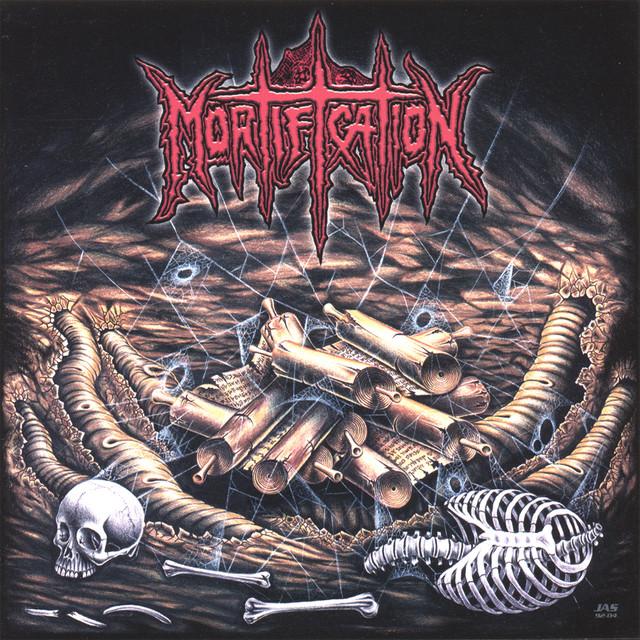
Mortification

Metal
Death Metal
Grindcore
Thrash Metal
 Viberate Rank: 117773
 Viberate Rank: 117773
 Monthly ListenersFollowers
 Subscribers
 Followers
 Followers
 FansTop Spotify Songs
| Track | 7-Day Streams | |
|---|---|---|
1 | 1.83K | |
2 | 1.59K | |
3 | 1.15K | |
4 | 977 | |
5 | 857 |
Top YouTube VideosMonthly ListenersFeatured in Playlists| Playlist | Followers | |
|---|---|---|
1 |  Death Metal Classics @MansenSankari | 127.47K |
2 |  Christian Heavy Metal Fabian Braun | 21.06K |
3 |  Intercambio Musical | Audífono Audífono | 18.32K |
4 | Metal🤘🏻 Naydil González | 16.46K |
5 |  Old School Death Metal @MansenSankari | 11.01K |
Audience| City | Monthly Listeners | |
|---|---|---|
1 |  | 451 |
2 |  | 309 |
3 |  | 254 |
4 | | 216 |
5 |  | 214 |
See full performance history, audience data, playlist activity, rankings, comparisons, and more in Viberate music analytics. Start with a free trial, then continue with a paid plan.
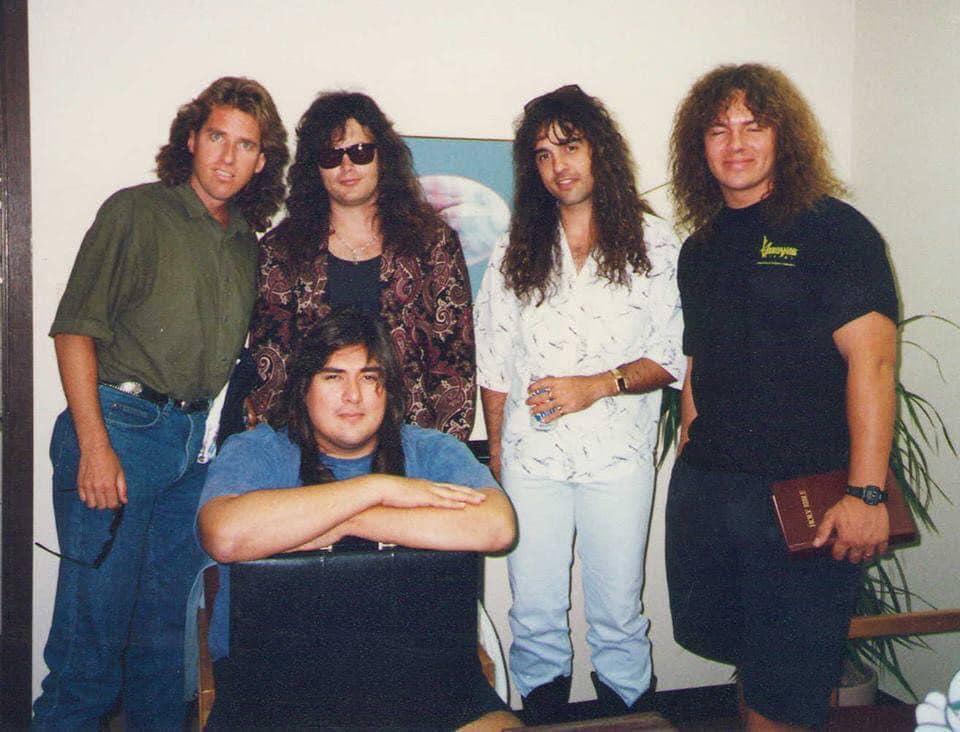
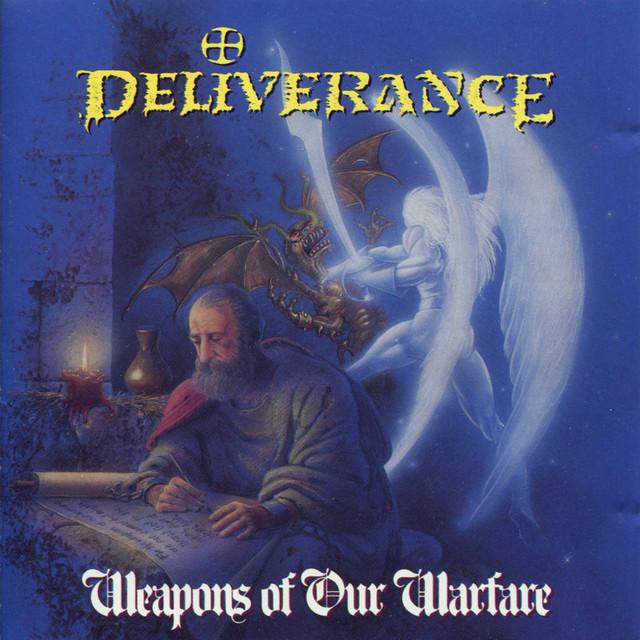
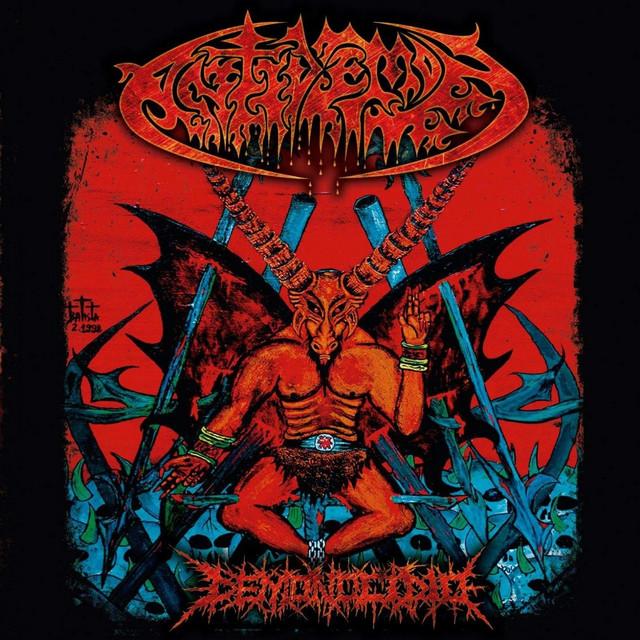
Mortification’s Spotify BioMortification is considered by many to be the most extreme Christian band in existence. Formed in 1990 from the remains of a band called Lightforce, Mortification sought to provide a positive alternative to traditional death metal acts such as Carcass, Death, and Obituary. On the strength of their self-titled 1990 debut, Mortification quickly gained a reputation in their native Australia for being one of the loudest and fastest bands around. Their 1992 follow-up, Scrolls of the Megilloth, garnered the band some attention from the heavy metal underground, and contains some of the most frightening vocals ever recorded. Their later albums were more experimental, combining elements of punk, death, and thrash metal; they include 1998's Triumph of Mercy and 2000's 10 Years Live, Not Dead. Bassist/vocalist Steve Rowe has handled most of the songwriting chores for group, and is the only remaining original member. ~ Kirk Dombek, Rovi
Viberate is a music analytics platform built for A&Rs, artist managers, labels, booking agents, marketers, and artists.
It helps music professionals track artist growth, analyze audience data, monitor playlist activity, compare artists, follow song performance, and identify opportunities across the music market.
Public artist pages provide a free preview of selected artist data. Paid plans provide access to deeper analytics, historical data, charts, comparisons, playlist tools, exports, alerts, reports, and additional professional features.
Yes. Public Viberate artist pages provide selected artist analytics and music data for free.
Viberate also offers a 7-day free trial of the full platform. A credit card is required to start the trial. The trial includes access to the complete product so users can test deeper artist analytics, historical views, playlist insights, comparisons, charts, exports, alerts, and reporting features before choosing a paid plan.
Viberate provides artist analytics across streaming, playlists, social media, video, radio airplay, songs, and audience markets.
Users can analyze Spotify performance, Spotify and Apple Music playlists, YouTube activity, TikTok and Instagram growth, radio spins, song performance, audience locations, demographics, rankings, and overall artist momentum.
Artist profiles also connect to music charts, similar artists, and comparison tools, helping users benchmark performance and evaluate artists in context.
Viberate updates key artist and track data daily.
For followed artists and tracks, selected data is refreshed multiple times per day. This helps teams monitor playlist changes, streaming movement, audience growth, releases, and campaign performance with more current data.
Update frequency can vary depending on the metric and data source.
Yes. Viberate lets users compare up to five artists side by side across streaming, social media, audience, and engagement metrics.
Users can compare fanbase growth, audience demographics, locations, Spotify performance, social metrics, and other artist data over selected time periods.
Artist comparison can be used for A&R scouting, benchmarking, booking decisions, campaign planning, and evaluating artists with similar audiences or market positions.