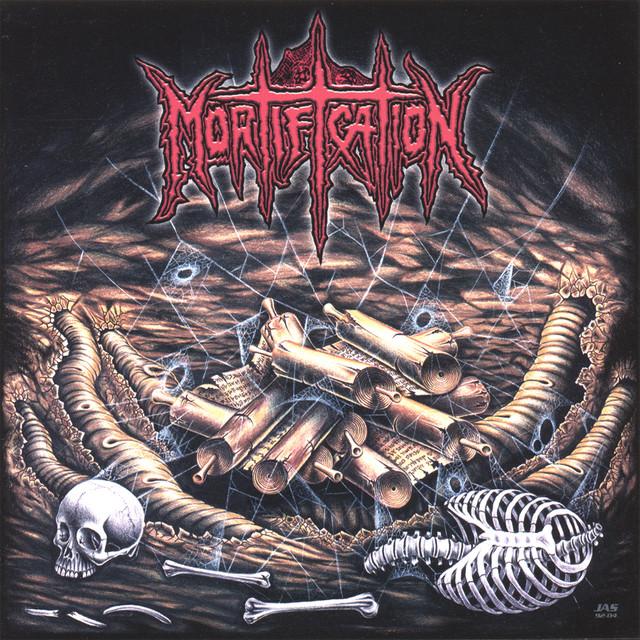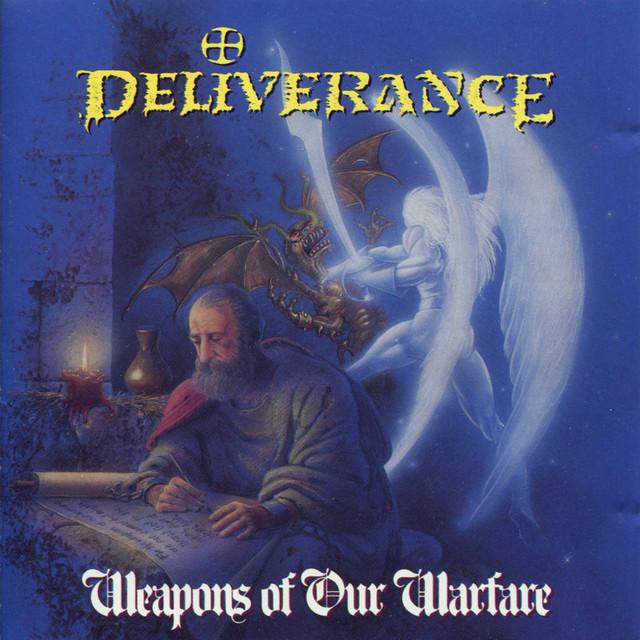
Deliverance

Metal
Thrash Metal
Pop Rock
 Viberate Rank: 151198
 Viberate Rank: 151198
 Monthly ListenersFollowers
 Subscribers
 Followers
 Followers
 FansTop Spotify Songs
| Track | 7-Day Streams | |
|---|---|---|
1 | 1.68K | |
2 | 724 | |
3 | 661 | |
4 | 648 | |
5 | 608 |
Top YouTube VideosMonthly ListenersFeatured in Playlists| Playlist | Followers | |
|---|---|---|
1 |  80s Rock & Metal frontlinerecords | 20.10K |
2 |  Christian Metal! 777 Rasmus Rasmussen | 9.41K |
3 |  Thrash Metal Classics @MansenSankari | 7.13K |
4 |  80s Christian Metal and Rock frontlinerecords | 6.25K |
5 |  Thrash Metal & Crossover classic 80s&90s David | 5.58K |
Audience| City | Monthly Listeners | |
|---|---|---|
1 |  | 193 |
2 |  | 158 |
3 |  | 155 |
4 | | 119 |
5 |  | 110 |
See full performance history, audience data, playlist activity, rankings, comparisons, and more in Viberate music analytics. Start with a free trial, then continue with a paid plan.
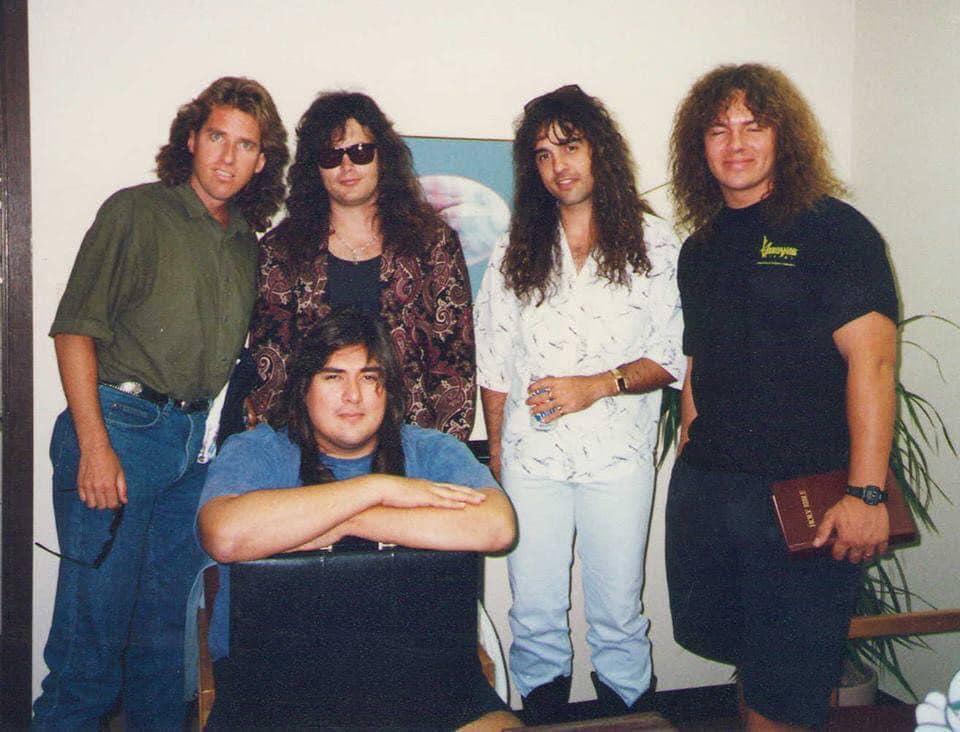
Deliverance’s Spotify BioLos Angeles' Deliverance is a Christian (or white) metal band, and not to be confused with their far more sinful U.K. namesakes. Founded in the late '80s by vocalist, guitarist, and de facto main man Jimmy Brown II, the group has featured over a dozen short-term musicians (perhaps most notably Mortification guitarist George Ochoa) and undergone occasional changes in creative direction over the course of a quite prolific recording pace. Early albums like 1989's eponymous debut, 1990's Weapons of Our Warfare (generally considered a career peak), and 1992's Stay of Execution dealt in traditional thrash and speed metal, while 1994's River Disturbance found them entertaining alternative rock persuasions, which were far more popular than metal at the time. Brown disbanded Deliverance following 1995's more conventionally metallic Camelot in Smithereens, going on to front a new project named Fearful Symmetry for the remainder of the decade. But consumer demand for his former band's material… continued unabated within white metal fan circles (as shown by 2000's well-received Greetings of Death, Etc. demos collection), eventually encouraging Brown to resurrect Deliverance in 2001 and record a new LP called Assimilation with long-serving bassist Manny Morales, and drummer/programmer David Gilbreath. ~ Eduardo Rivadavia, Rovi
Viberate is a music analytics platform built for A&Rs, artist managers, labels, booking agents, marketers, and artists.
It helps music professionals track artist growth, analyze audience data, monitor playlist activity, compare artists, follow song performance, and identify opportunities across the music market.
Public artist pages provide a free preview of selected artist data. Paid plans provide access to deeper analytics, historical data, charts, comparisons, playlist tools, exports, alerts, reports, and additional professional features.
Yes. Public Viberate artist pages provide selected artist analytics and music data for free.
Viberate also offers a 7-day free trial of the full platform. A credit card is required to start the trial. The trial includes access to the complete product so users can test deeper artist analytics, historical views, playlist insights, comparisons, charts, exports, alerts, and reporting features before choosing a paid plan.
Viberate provides artist analytics across streaming, playlists, social media, video, radio airplay, songs, and audience markets.
Users can analyze Spotify performance, Spotify and Apple Music playlists, YouTube activity, TikTok and Instagram growth, radio spins, song performance, audience locations, demographics, rankings, and overall artist momentum.
Artist profiles also connect to music charts, similar artists, and comparison tools, helping users benchmark performance and evaluate artists in context.
Viberate updates key artist and track data daily.
For followed artists and tracks, selected data is refreshed multiple times per day. This helps teams monitor playlist changes, streaming movement, audience growth, releases, and campaign performance with more current data.
Update frequency can vary depending on the metric and data source.
Yes. Viberate lets users compare up to five artists side by side across streaming, social media, audience, and engagement metrics.
Users can compare fanbase growth, audience demographics, locations, Spotify performance, social metrics, and other artist data over selected time periods.
Artist comparison can be used for A&R scouting, benchmarking, booking decisions, campaign planning, and evaluating artists with similar audiences or market positions.