Mort Shuman

Pop
Mainstream Pop
 Viberate Rank: 122959
 Viberate Rank: 122959
 Monthly ListenersFollowers
 Subscribers
 Followers
 Followers
 FansTop Spotify Songs
| Track | 7-Day Streams | |
|---|---|---|
1 | 28.10K | |
2 | 19.53K | |
3 | 13.04K | |
4 | 7.97K | |
5 | 4.49K |
Top YouTube VideosMonthly ListenersFeatured in Playlists| Playlist | Followers | |
|---|---|---|
1 | Chanson française - best of Pierre-Alexandre De Cartier d'Yves | 40.88K |
2 | FRANSE CHANSONS TOP 75 Sebas van Wijk | 20.28K |
3 |  De 40 Bekendste Franse Liedjes Dave De Graaf | 20.05K |
4 |  Franse Chansons Arie de Vries Arie de Vries | 16.87K |
5 | Ko 8 Frans Chanson Klaas Jager | 16.80K |
Audience| City | Monthly Listeners | |
|---|---|---|
1 |  | 3.93K |
2 |  | 2.19K |
3 | | 1.72K |
4 | | 1.61K |
5 |  | 1.58K |
See full performance history, audience data, playlist activity, rankings, comparisons, and more in Viberate music analytics. Start with a free trial, then continue with a paid plan.
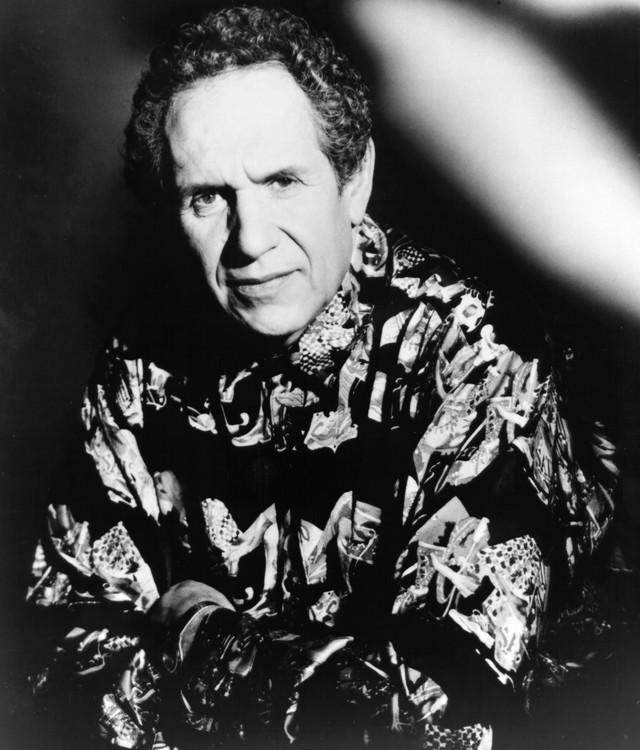
Mort Shuman’s Spotify BioWhile either on his own, or teamed with songwriting partner Doc Pomus, Mort Shuman has authored some of the most lasting songs in pop music, including "Save the Last Dance for Me" and "Teenager in Love." Born in Brooklyn to Jewish immigrant parents, Shuman studied at the New York Conservatory but felt rejected and alienated by his peers in Brooklyn. Identifying with the black community in Harlem, Shuman's true musical education came within that area's raucous R&B clubs, where he soaked up the sounds of Ruth Brown and others. Shuman started penning lyrics at 18 and found success when his songs such as "Surrender" were recorded by Elvis. In 1958 the songwriter met fellow white R&B devotee Doc Pomus and the two took up residence in a small Greenwich Village flat, forming a successful songwriting partnership. Together the duo signed on as writers at the Brill Building, penning hits for the Drifter's ("Save the Last Dance for Me" and "Sweets for My Sweet"), Elvis ("Little Sister") and Dion… & the Belmonts ("Teenager in Love"). Those early-'60s songs represented the zenith of Shuman's creative output ( "Last Dance" alone has been played across the airwaves over four million times), but the songwriter continued to write for Janis Joplin, Andy Williams, and the Small Faces, among others. In 1966, Shuman had somewhat of an epiphany when he heard the work of Belgian composer Jacques Brel. He immediately moved to France and began translating Brel's work into English. In the early '70s, he wrote and directed a musical around his translations of Brel's songs and titled it Jacques Brel Is Alive and Well and Living in Paris. Shuman also became a star in his own right in France when several of his French-language songs (filtered through a New York accent) became hits. In 1991, shortly before undertaking a musical based on his life, Shuman died at the age of 52 in a London hospital from complications due to a liver operation. ~ Steve Kurutz, Rovi
Viberate is a music analytics platform built for A&Rs, artist managers, labels, booking agents, marketers, and artists.
It helps music professionals track artist growth, analyze audience data, monitor playlist activity, compare artists, follow song performance, and identify opportunities across the music market.
Public artist pages provide a free preview of selected artist data. Paid plans provide access to deeper analytics, historical data, charts, comparisons, playlist tools, exports, alerts, reports, and additional professional features.
Yes. Public Viberate artist pages provide selected artist analytics and music data for free.
Viberate also offers a 7-day free trial of the full platform. A credit card is required to start the trial. The trial includes access to the complete product so users can test deeper artist analytics, historical views, playlist insights, comparisons, charts, exports, alerts, and reporting features before choosing a paid plan.
Viberate provides artist analytics across streaming, playlists, social media, video, radio airplay, songs, and audience markets.
Users can analyze Spotify performance, Spotify and Apple Music playlists, YouTube activity, TikTok and Instagram growth, radio spins, song performance, audience locations, demographics, rankings, and overall artist momentum.
Artist profiles also connect to music charts, similar artists, and comparison tools, helping users benchmark performance and evaluate artists in context.
Viberate updates key artist and track data daily.
For followed artists and tracks, selected data is refreshed multiple times per day. This helps teams monitor playlist changes, streaming movement, audience growth, releases, and campaign performance with more current data.
Update frequency can vary depending on the metric and data source.
Yes. Viberate lets users compare up to five artists side by side across streaming, social media, audience, and engagement metrics.
Users can compare fanbase growth, audience demographics, locations, Spotify performance, social metrics, and other artist data over selected time periods.
Artist comparison can be used for A&R scouting, benchmarking, booking decisions, campaign planning, and evaluating artists with similar audiences or market positions.