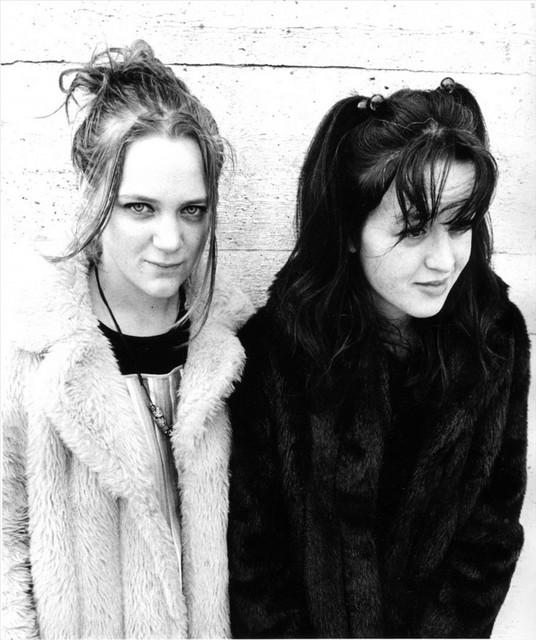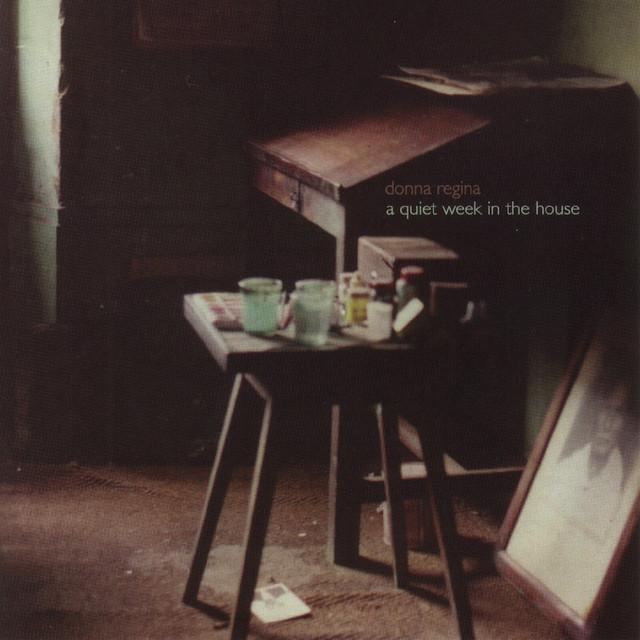
Monade

Rock
Indie Rock
Post Rock
 Viberate Rank: 383752
 Viberate Rank: 383752
 Monthly ListenersFollowers
 Subscribers
 Followers
 Followers
 FansTop Spotify Songs
| Track | 7-Day Streams | |
|---|---|---|
1 | 512 | |
2 | 175 | |
3 | 157 | |
4 | 123 | |
5 | 119 |
Top YouTube VideosMonthly ListenersFeatured in Playlists| Playlist | Followers | |
|---|---|---|
1 | space rock & psychedelia Edson Alejandro Adame | 8.05K |
2 |  CFCF: The Stuff I Dig CFCF | 4.00K |
3 |  The Sound of French Rock The Sounds of Spotify | 1.60K |
4 |  CZARWAVE czar | 1.13K |
5 | Stuart Maconie's Freak Zone 🔊 (BBC 6 Music) reacharound98 | 1.12K |
Audience| City | Monthly Listeners | |
|---|---|---|
1 |  | 87 |
2 | | 69 |
3 | | 58 |
4 |  | 55 |
5 |  | 52 |
See full performance history, audience data, playlist activity, rankings, comparisons, and more in Viberate music analytics. Start with a free trial, then continue with a paid plan.
Monade’s Spotify BioOne of Stereolab's many spin-offs and side projects, Monade (pronounced mon-ard) originally featured Laetitia Sadier and Pram's Rosie Cuckston. The duo began collaborating in the mid-'90s, and Sadier recorded the first Monade tracks in 1996 at Pram's studio, with Cuckston playing and also helping to engineer the session. Some of these tracks were released by Duophonic as the Sunrise Telling and Witch Hazel/Ode to a Keyring singles. Sadier continued to record at Stereolab's own studio without Cuckston, and one of these tracks, "Cache Cache," ended up as a B-side on Stereolab's Calimero single. In between her Stereolab duties, Sadier completed enough material for Monade's debut album, Socialisme Ou Barbarie: The Bedroom Recordings, which was released by Duophonic in Europe and by Drag City in the U.S. in spring 2003. For Monade's second album A Few Steps More, the band moved to Too Pure and expanded to include bassist/vocalist Marie Merlet, keyboardist Nicolas Etienne and drummer Xavier… Chabellard. Monstre Cosmic arrived in 2008 and featured collaborations with the Bordeaux Conservatoire and the Toulousse-based group Momotte. ~ Heather Phares, Rovi
Viberate is a music analytics platform built for A&Rs, artist managers, labels, booking agents, marketers, and artists.
It helps music professionals track artist growth, analyze audience data, monitor playlist activity, compare artists, follow song performance, and identify opportunities across the music market.
Public artist pages provide a free preview of selected artist data. Paid plans provide access to deeper analytics, historical data, charts, comparisons, playlist tools, exports, alerts, reports, and additional professional features.
Yes. Public Viberate artist pages provide selected artist analytics and music data for free.
Viberate also offers a 7-day free trial of the full platform. A credit card is required to start the trial. The trial includes access to the complete product so users can test deeper artist analytics, historical views, playlist insights, comparisons, charts, exports, alerts, and reporting features before choosing a paid plan.
Viberate provides artist analytics across streaming, playlists, social media, video, radio airplay, songs, and audience markets.
Users can analyze Spotify performance, Spotify and Apple Music playlists, YouTube activity, TikTok and Instagram growth, radio spins, song performance, audience locations, demographics, rankings, and overall artist momentum.
Artist profiles also connect to music charts, similar artists, and comparison tools, helping users benchmark performance and evaluate artists in context.
Viberate updates key artist and track data daily.
For followed artists and tracks, selected data is refreshed multiple times per day. This helps teams monitor playlist changes, streaming movement, audience growth, releases, and campaign performance with more current data.
Update frequency can vary depending on the metric and data source.
Yes. Viberate lets users compare up to five artists side by side across streaming, social media, audience, and engagement metrics.
Users can compare fanbase growth, audience demographics, locations, Spotify performance, social metrics, and other artist data over selected time periods.
Artist comparison can be used for A&R scouting, benchmarking, booking decisions, campaign planning, and evaluating artists with similar audiences or market positions.