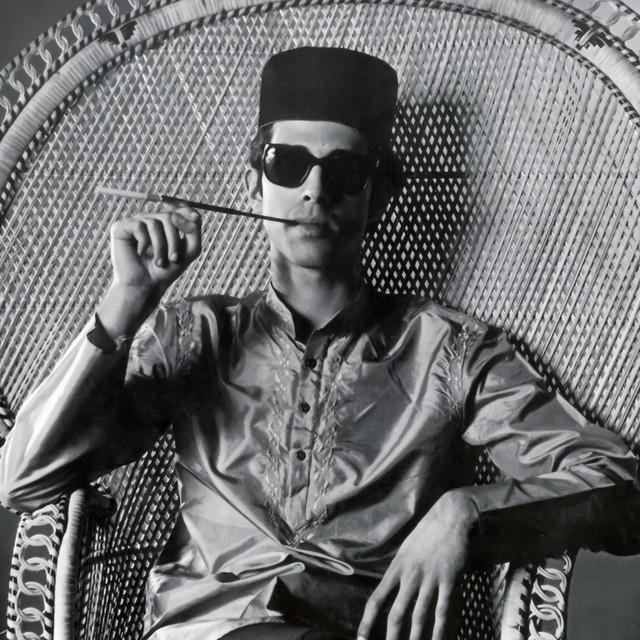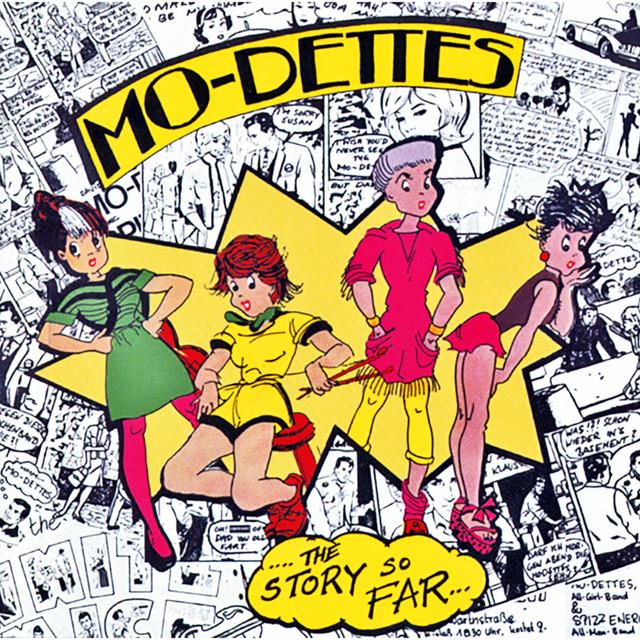
Mo-Dettes

Rock
Indie Rock
Post Punk
 Viberate Rank: 250745
 Viberate Rank: 250745
 Monthly ListenersFollowers
 Subscribers
 Followers
 Followers
 FansTop Spotify Songs
| Track | 7-Day Streams | |
|---|---|---|
1 | 4.96K | |
2 | 1.41K | |
3 | 1.34K | |
4 | 1.15K | |
5 | 1.08K |
Top YouTube VideosMonthly ListenersFeatured in Playlists| Playlist | Followers | |
|---|---|---|
1 |  Blonded Frank Ocean | 307.39K |
2 | Post-Punk Essentials Vol. 1 Definitive Gaze | 54.34K |
3 |  Floss' General Bops florencegiven | 27.80K |
4 |  The Best of Female Punk Aidan Tom Geraghty | 19.65K |
5 |  Art & Progressive Rock Playlist | 16.31K |
Audience| City | Monthly Listeners | |
|---|---|---|
1 | | 365 |
2 |  | 282 |
3 | | 213 |
4 | | 195 |
5 | | 161 |
See full performance history, audience data, playlist activity, rankings, comparisons, and more in Viberate music analytics. Start with a free trial, then continue with a paid plan.
Mo-Dettes’ Spotify BioA post-punk band whose music blended stripped-down rock & roll with the lean rhythms of dub, the Mo-Dettes were formed in London in 1979 by American-born guitarist Kate Korris (she also used the spellings Kate Korus and Kate Corris), who previously had performed briefly with the Slits and the Raincoats very early in each band's history. Korris teamed up with bassist Jane Crockford, ex-Bank of Dresden, to form the Mo-Dettes, and they rounded out the lineup with Swiss singer Ramona Carlier (whose heavily accented vocals became one of the band's aural trademarks) and drummer June Miles-Kingston (whose brother Bob Kingston was also a figure on the British rock scene as guitarist with Tenpole Tudor). In 1979, the Mo-Dettes made their recorded debut with the single "White Mice" b/w "Masochistic Opposite," which was released on the band's own Mode Records label. Thanks to steady airplay from iconic radio host John Peel, the 45 fared well on the independent charts, and the band recorded three… live-in-the-studio sessions for Peel's show between 1980 and 1981. The success of the "White Mice" single led to a deal with Deram Records, who released the Mo-Dettes' first album, The Story So Far, in November 1980. While the Mo-Dettes cover of the Rolling Stones' "Paint It Black" was a minor chart success, the album didn't sell as well as expected, and a non-LP single, "Tonight," released in June 1981, failed to break into the Top 50. Bowing to pressure from their record company, the Mo-Dettes briefly expanded to a quintet with the addition of a second guitarist, Melissa Ritter, but the lineup became unstable after Ramona Carlier left the band in May 1982; Jane Crockford took over on vocals before Sue Slack took over as singer during the group's last few months. By the end of 1982, the Mo-Dettes broke up. June Miles-Kingston went on to a successful career following the Mo-Dettes, working with the Fun Boy Three, the Thompson Twins, Everything But the Girl, and the Communards. ~ Mark Deming, Rovi
Viberate is a music analytics platform built for A&Rs, artist managers, labels, booking agents, marketers, and artists.
It helps music professionals track artist growth, analyze audience data, monitor playlist activity, compare artists, follow song performance, and identify opportunities across the music market.
Public artist pages provide a free preview of selected artist data. Paid plans provide access to deeper analytics, historical data, charts, comparisons, playlist tools, exports, alerts, reports, and additional professional features.
Yes. Public Viberate artist pages provide selected artist analytics and music data for free.
Viberate also offers a 7-day free trial of the full platform. A credit card is required to start the trial. The trial includes access to the complete product so users can test deeper artist analytics, historical views, playlist insights, comparisons, charts, exports, alerts, and reporting features before choosing a paid plan.
Viberate provides artist analytics across streaming, playlists, social media, video, radio airplay, songs, and audience markets.
Users can analyze Spotify performance, Spotify and Apple Music playlists, YouTube activity, TikTok and Instagram growth, radio spins, song performance, audience locations, demographics, rankings, and overall artist momentum.
Artist profiles also connect to music charts, similar artists, and comparison tools, helping users benchmark performance and evaluate artists in context.
Viberate updates key artist and track data daily.
For followed artists and tracks, selected data is refreshed multiple times per day. This helps teams monitor playlist changes, streaming movement, audience growth, releases, and campaign performance with more current data.
Update frequency can vary depending on the metric and data source.
Yes. Viberate lets users compare up to five artists side by side across streaming, social media, audience, and engagement metrics.
Users can compare fanbase growth, audience demographics, locations, Spotify performance, social metrics, and other artist data over selected time periods.
Artist comparison can be used for A&R scouting, benchmarking, booking decisions, campaign planning, and evaluating artists with similar audiences or market positions.