Miya Masaoka

Asian
Japanese Folk
Orchestral
 Viberate Rank: 508363
 Viberate Rank: 508363
 Monthly ListenersFollowers
 Subscribers
 Followers
 Followers
 FansTop Spotify Songs
| Track | 7-Day Streams | |
|---|---|---|
1 | 20 | |
2 | 9 | |
3 | 8 | |
4 | 6 | |
5 | 6 |
Top YouTube VideosMonthly ListenersFeatured in Playlists| Playlist | Followers | |
|---|---|---|
1 |  365 Days of Music by Women Chords & Queens | 2.42K |
2 |  The Sound of Japanese Traditional The Sounds of Spotify | 2.39K |
3 |  Japan Chill 12101881312 | 2.18K |
4 |  This Is Pauline Oliveros Spotify | 1.01K |
5 | Tzadik Digital Catalog André | 1.00K |
Audience| City | Monthly Listeners | |
|---|---|---|
1 | | 10 |
2 |  | 5 |
3 | | 4 |
4 | | 4 |
5 | | 3 |
See full performance history, audience data, playlist activity, rankings, comparisons, and more in Viberate music analytics. Start with a free trial, then continue with a paid plan.
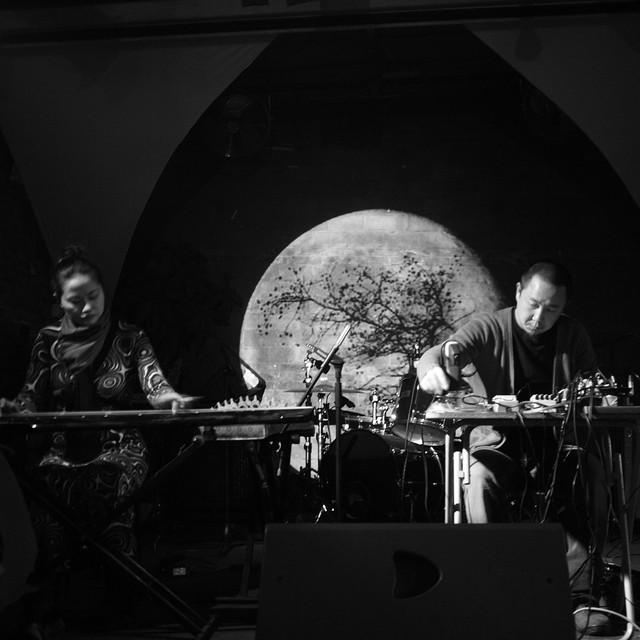
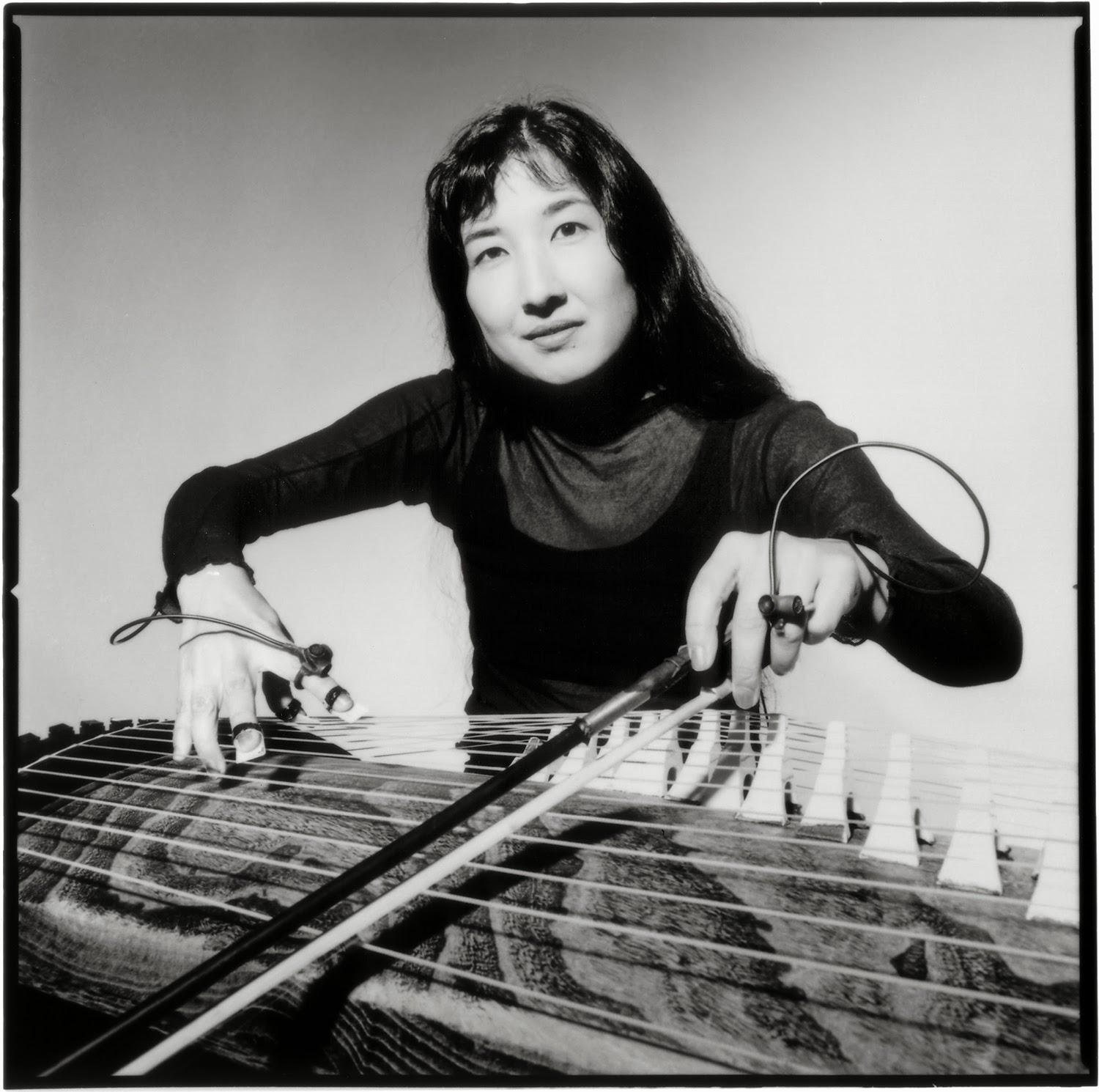
Miya Masaoka’s Spotify BioAlong with only a handful of other musicians, Miya Masaoka succeeded in introducing the koto to the world of avant-garde music. Based on the West Coast in the early '90s, she first got noticed for her collaborations with Pharoah Sanders, Wadada Leo Smith, and Henry Kaiser, and for highly original mixed media installations and site-specific performances. By the late '90s, she had turned mostly to free improvisation, expanding the possibilities of her instrument with an electronic interface. Her most high-profile activity was her participation in Fred Frith's trio project Maybe Monday.
A string instrument with a history arching back to the 11th century, the koto is the instrument most closely associated with Japanese tradition. Masaoka, a Japanese American born in Washington, D.C., got her first contact with it through a cousin residing in Japan. During the 1980s, she studied various schools of Japanese koto music on the U.S. West Coast. All the while, she obtained a B.A. in music from… San Francisco State University in 1990 and a master's degree in music composition from Mills College four years later, studying with Alvin Curran.
Therefore, her background blended traditional music and contemporary classical composition. Getting involved more deeply into the music scene after 1994, she began by staging special projects. Bee Project #1 (May 1996) included the use of an on-stage beehive, the buzzing sounds of bees being mixed in real time with the music from the performance. What Is the Difference Between Stripping & Playing the Violin?, a reflection on the perception of sex-related professions called for a rock/classical combo, two exotic dancers, and a tape part made of comments on the subject from various people. It was performed on a street corner in San Francisco in March 1997 and attracted much media attention (the performance was later issued on CD by Disques Victo).
Soon, everyone looking for an exotic touch to add to their ensemble started to call Masaoka. She appeared on records and on-stage with Steve Coleman, George Lewis, Ben Goldberg, and others, all the while releasing her own albums. The 1996 solo CD Compositions/Improvisations and her 1997 trio session Monk's Japanese Folk Song (with Reggie Workman and Andrew Cyrille) established her as a major improviser. She appeared as a solo artist and in various small improv group contexts in many festivals in Europe and North America, including the Festival International de Musique Actuelle de Victoriaville. Since 1997, she has appeared alongside Fred Frith and Larry Ochs in the trio Maybe Monday. ~ François Couture, Rovi
Viberate is a music analytics platform built for A&Rs, artist managers, labels, booking agents, marketers, and artists.
It helps music professionals track artist growth, analyze audience data, monitor playlist activity, compare artists, follow song performance, and identify opportunities across the music market.
Public artist pages provide a free preview of selected artist data. Paid plans provide access to deeper analytics, historical data, charts, comparisons, playlist tools, exports, alerts, reports, and additional professional features.
Yes. Public Viberate artist pages provide selected artist analytics and music data for free.
Viberate also offers a 7-day free trial of the full platform. A credit card is required to start the trial. The trial includes access to the complete product so users can test deeper artist analytics, historical views, playlist insights, comparisons, charts, exports, alerts, and reporting features before choosing a paid plan.
Viberate provides artist analytics across streaming, playlists, social media, video, radio airplay, songs, and audience markets.
Users can analyze Spotify performance, Spotify and Apple Music playlists, YouTube activity, TikTok and Instagram growth, radio spins, song performance, audience locations, demographics, rankings, and overall artist momentum.
Artist profiles also connect to music charts, similar artists, and comparison tools, helping users benchmark performance and evaluate artists in context.
Viberate updates key artist and track data daily.
For followed artists and tracks, selected data is refreshed multiple times per day. This helps teams monitor playlist changes, streaming movement, audience growth, releases, and campaign performance with more current data.
Update frequency can vary depending on the metric and data source.
Yes. Viberate lets users compare up to five artists side by side across streaming, social media, audience, and engagement metrics.
Users can compare fanbase growth, audience demographics, locations, Spotify performance, social metrics, and other artist data over selected time periods.
Artist comparison can be used for A&R scouting, benchmarking, booking decisions, campaign planning, and evaluating artists with similar audiences or market positions.