Mithras

Metal
Death Metal
 Viberate Rank: 261316
 Viberate Rank: 261316
 Monthly ListenersFollowers
 Subscribers
 Followers
 Followers
 FansTop Spotify Songs
| Track | 7-Day Streams | |
|---|---|---|
1 | 235 | |
2 | 119 | |
3 | 112 | |
4 | 90 | |
5 | 86 |
Top YouTube VideosMonthly ListenersFeatured in Playlists| Playlist | Followers | |
|---|---|---|
1 |  Ultimate Tech-Death Loudwire | 5.70K |
2 | Death Metal Instrumentals seaofcheese | 3.73K |
3 |  Destructive Albums emrek | 3.42K |
4 | Progressive Technical Death Metal Jost Ru | 2.94K |
5 | DEATH METAL/GRINDCORE/BLACK METAL/DOOM DEATH ++ Tokes | 2.81K |
Audience| City | Monthly Listeners | |
|---|---|---|
1 |  | 16 |
2 | | 15 |
3 | | 15 |
4 | | 15 |
5 |  | 15 |
See full performance history, audience data, playlist activity, rankings, comparisons, and more in Viberate music analytics. Start with a free trial, then continue with a paid plan.
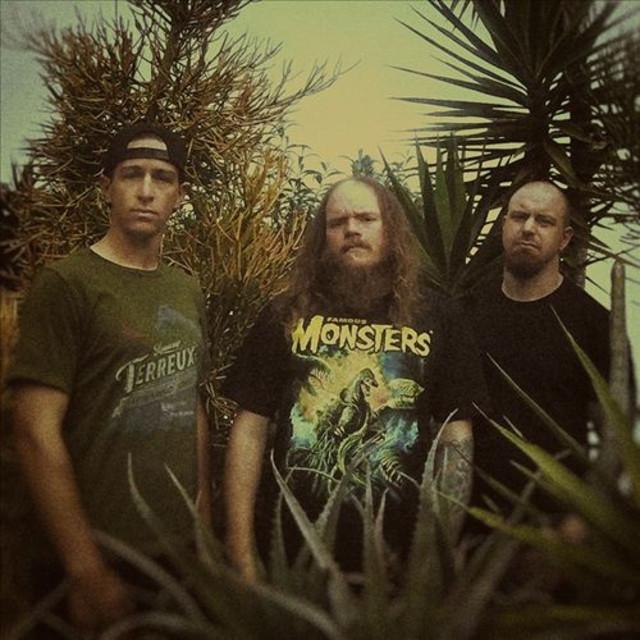
Mithras’ Spotify BioTaking a page from multi-tasking black metal and industrial acts, which often consist of just two or even a single individual, Mithras are a British death metal "band" originally founded in 1998 by Rayner Coss (vocals/bass) and Leon Macey (guitar/drums/keyboards), who later called upon session (and sometime live) drummer Ben White for the recording of their 2002 debut album, Forever Advancing...Legions. The core duo would handle all instruments themselves on the following year's Worlds Beyond the Veil, which expanded upon its predecessor's peculiar formula, mixing a "traditional" Floridian death metal template with psychedelic guitar solos and spacy lyrics, quite unique to Mithras' sound. This uniqueness got the band signed to Candlelight Records for its third LP, 2006's critically acclaimed Behind the Shadows Lie Madness, which was supported on tour by an expanded lineup featuring second guitarist Alex de Moller (ex-Scythian) and drummer Sean Broster. But Rayner Coss' decade-long… involvement with Mithras would sadly come to an end in 2008, following a headline show in London, and although the split was reportedly amicable, it forced the remaining bandmembers (now including a reinstated Ben White on drums) to go out and find a worthy replacement. Which they did, most critics and fans agree, by recruiting vocalist/bassist Sam Bean, of the Berzerker fame, and then beginning on an as yet untitled fourth album. ~ Eduardo Rivadavia, Rovi
Viberate is a music analytics platform built for A&Rs, artist managers, labels, booking agents, marketers, and artists.
It helps music professionals track artist growth, analyze audience data, monitor playlist activity, compare artists, follow song performance, and identify opportunities across the music market.
Public artist pages provide a free preview of selected artist data. Paid plans provide access to deeper analytics, historical data, charts, comparisons, playlist tools, exports, alerts, reports, and additional professional features.
Yes. Public Viberate artist pages provide selected artist analytics and music data for free.
Viberate also offers a 7-day free trial of the full platform. A credit card is required to start the trial. The trial includes access to the complete product so users can test deeper artist analytics, historical views, playlist insights, comparisons, charts, exports, alerts, and reporting features before choosing a paid plan.
Viberate provides artist analytics across streaming, playlists, social media, video, radio airplay, songs, and audience markets.
Users can analyze Spotify performance, Spotify and Apple Music playlists, YouTube activity, TikTok and Instagram growth, radio spins, song performance, audience locations, demographics, rankings, and overall artist momentum.
Artist profiles also connect to music charts, similar artists, and comparison tools, helping users benchmark performance and evaluate artists in context.
Viberate updates key artist and track data daily.
For followed artists and tracks, selected data is refreshed multiple times per day. This helps teams monitor playlist changes, streaming movement, audience growth, releases, and campaign performance with more current data.
Update frequency can vary depending on the metric and data source.
Yes. Viberate lets users compare up to five artists side by side across streaming, social media, audience, and engagement metrics.
Users can compare fanbase growth, audience demographics, locations, Spotify performance, social metrics, and other artist data over selected time periods.
Artist comparison can be used for A&R scouting, benchmarking, booking decisions, campaign planning, and evaluating artists with similar audiences or market positions.