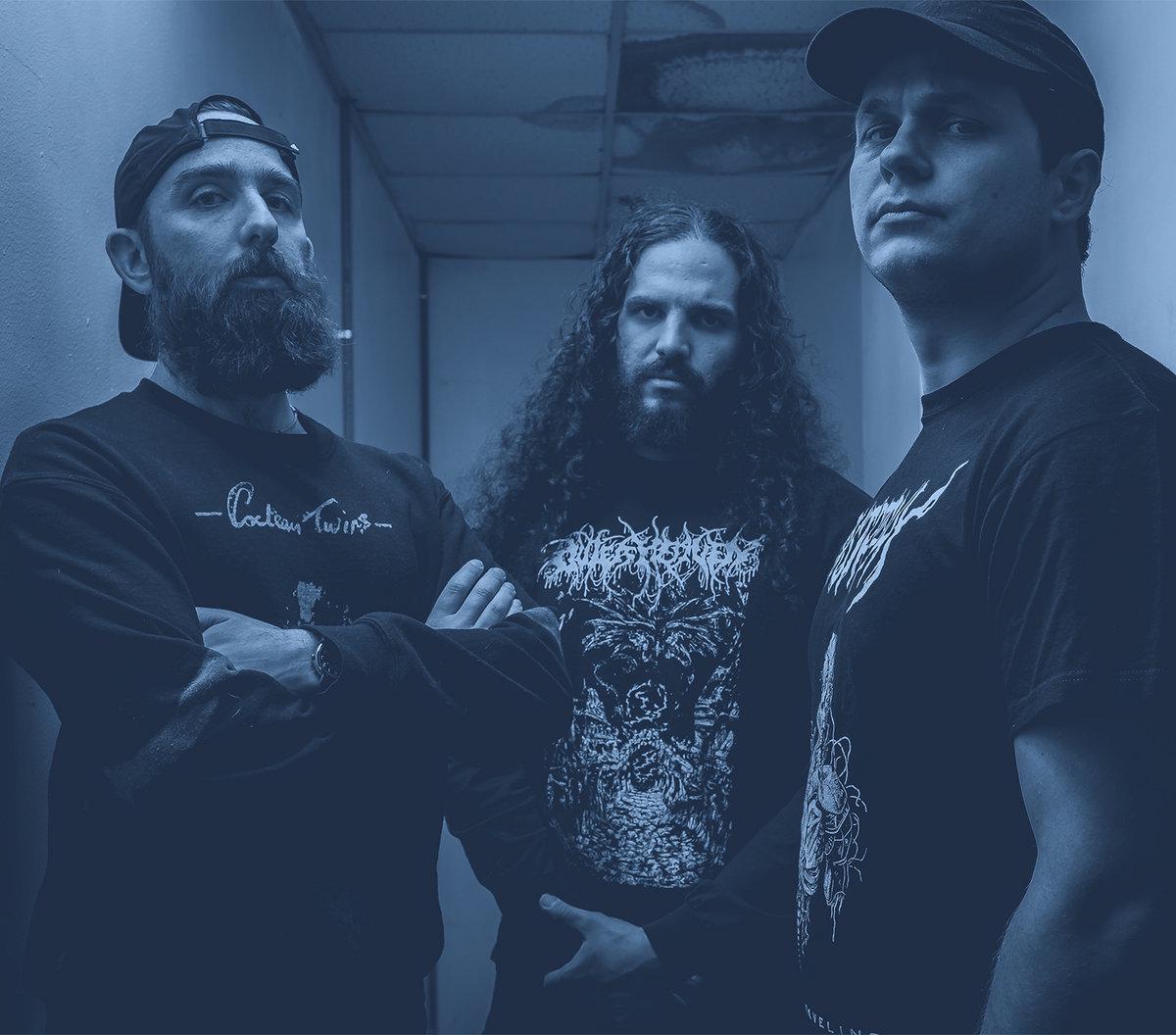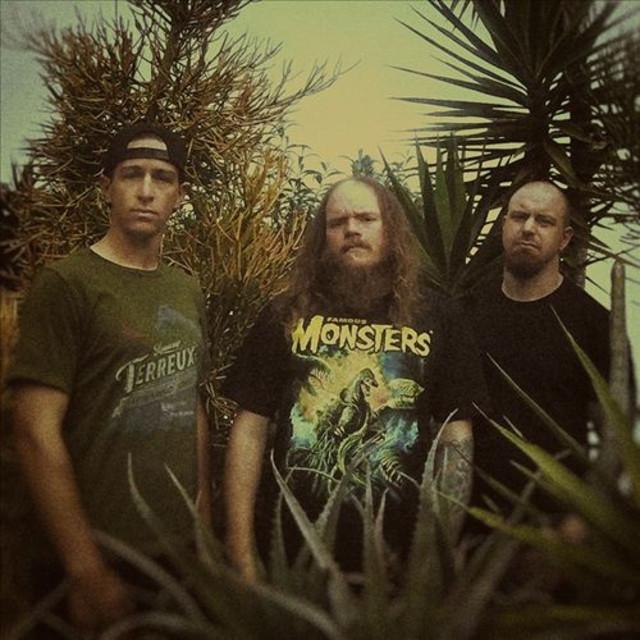
Gigan

Metal
Death Metal
Progressive Metal
 Viberate Rank: 330873
 Viberate Rank: 330873
 Monthly ListenersFollowers
 Subscribers
 Followers
 Followers
 FansTop Spotify Songs
| Track | 7-Day Streams | |
|---|---|---|
1 | 227 | |
2 | 180 | |
3 | 173 | |
4 | 130 | |
5 | 126 |
Top YouTube VideosMonthly ListenersFeatured in Playlists| Playlist | Followers | |
|---|---|---|
1 |  Ultimate Tech-Death Loudwire | 5.70K |
2 | UNDERGROUND HIP HOP Eric Gijsberts | 5.50K |
3 | Misticismo Diabólico da Lua Cheia João Carvalho | 3.98K |
4 |  Destructive Albums emrek | 3.42K |
5 | Metal 2024 El Perro Muchacho 666 | 2.71K |
Audience| City | Monthly Listeners | |
|---|---|---|
1 |  | 23 |
2 |  | 19 |
3 | | 15 |
4 | | 13 |
5 | | 11 |
See full performance history, audience data, playlist activity, rankings, comparisons, and more in Viberate music analytics. Start with a free trial, then continue with a paid plan.
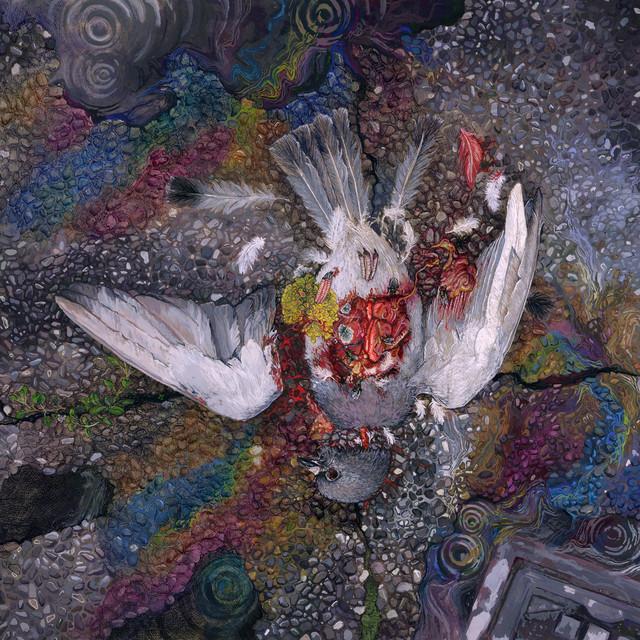
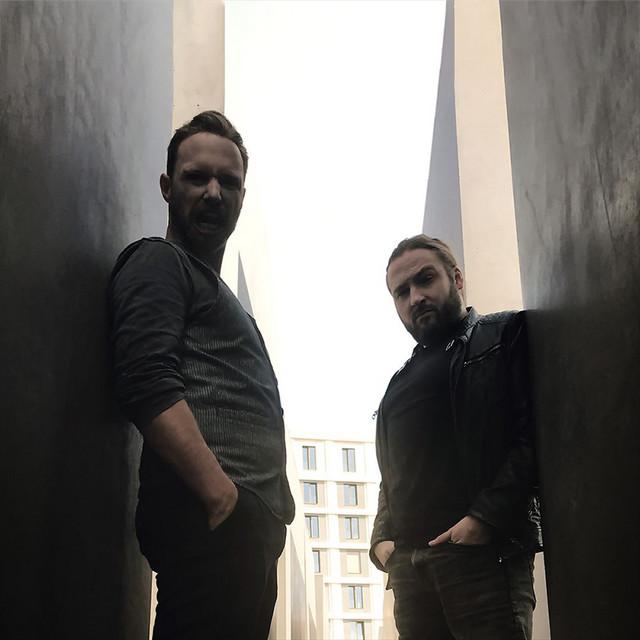
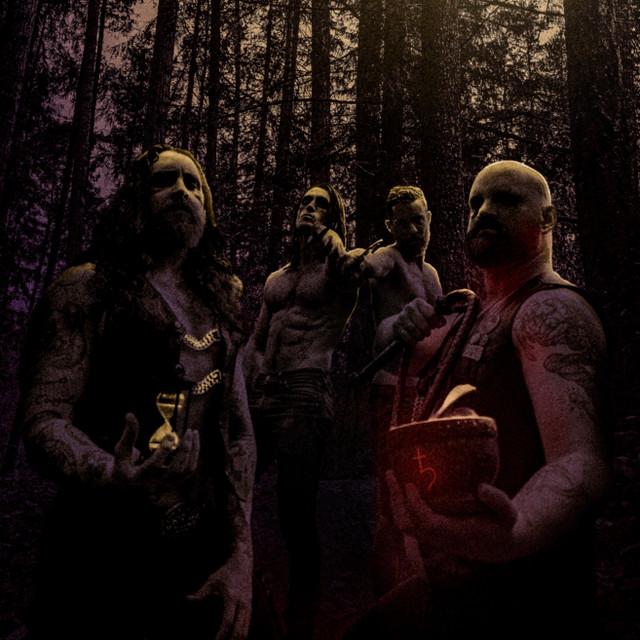
Gigan’s Spotify BioA Chicago-based extreme metal unit founded by left-handed lead guitarist and multi-instrumentalist Eric Hersemann, Gigan employ a lethal blend of technical death metal, grindcore, thrash, and psych rock. Formed in 2005 in Tampa, Florida, where Hersemann had been honing his skills in bands like Diabolic and Hate Eternal, the group would eventually grow into a trio, with Hersemann handling songwriting duties as well as guitar, bass, theremin, synths, xylophone, and Otamatone; Nathan Cotton behind the kit; and Jerry Kavouriaris on vocals. The band's first two LPs, the Napalm-issued Order of the False Eye and the Willowtip-released Quasi-Hallucinogenic Sonic Landscapes, were released while the band was still operating out of Tampa. In 2013, Gigan relocated to the Windy City and released their critically acclaimed third studio long-player, Multi-Dimensional Fractal-Sorcery and Super Science, again via Willowtip. In September 2017, the band issued its highly anticipated fourth full-length… outing, Undulating Waves of Rainbiotic Iridescence. ~ James Christopher Monger, Rovi
Viberate is a music analytics platform built for A&Rs, artist managers, labels, booking agents, marketers, and artists.
It helps music professionals track artist growth, analyze audience data, monitor playlist activity, compare artists, follow song performance, and identify opportunities across the music market.
Public artist pages provide a free preview of selected artist data. Paid plans provide access to deeper analytics, historical data, charts, comparisons, playlist tools, exports, alerts, reports, and additional professional features.
Yes. Public Viberate artist pages provide selected artist analytics and music data for free.
Viberate also offers a 7-day free trial of the full platform. A credit card is required to start the trial. The trial includes access to the complete product so users can test deeper artist analytics, historical views, playlist insights, comparisons, charts, exports, alerts, and reporting features before choosing a paid plan.
Viberate provides artist analytics across streaming, playlists, social media, video, radio airplay, songs, and audience markets.
Users can analyze Spotify performance, Spotify and Apple Music playlists, YouTube activity, TikTok and Instagram growth, radio spins, song performance, audience locations, demographics, rankings, and overall artist momentum.
Artist profiles also connect to music charts, similar artists, and comparison tools, helping users benchmark performance and evaluate artists in context.
Viberate updates key artist and track data daily.
For followed artists and tracks, selected data is refreshed multiple times per day. This helps teams monitor playlist changes, streaming movement, audience growth, releases, and campaign performance with more current data.
Update frequency can vary depending on the metric and data source.
Yes. Viberate lets users compare up to five artists side by side across streaming, social media, audience, and engagement metrics.
Users can compare fanbase growth, audience demographics, locations, Spotify performance, social metrics, and other artist data over selected time periods.
Artist comparison can be used for A&R scouting, benchmarking, booking decisions, campaign planning, and evaluating artists with similar audiences or market positions.