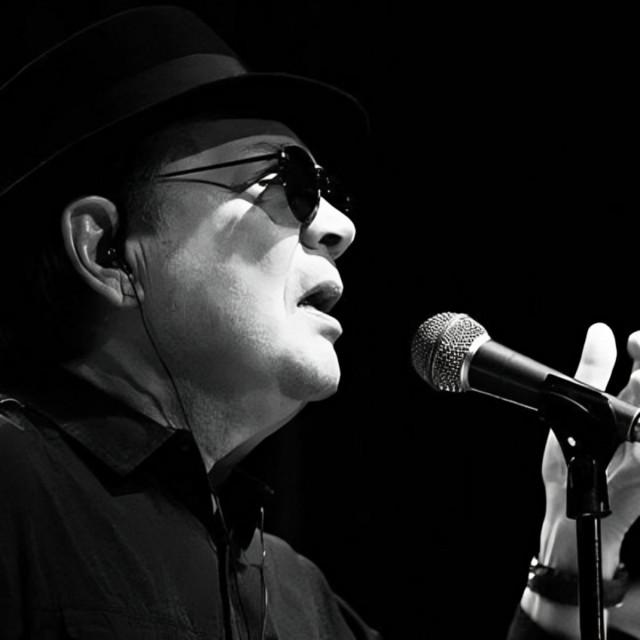
Mitch Ryder

Rock
Garage Rock
 Viberate Rank: 126155
 Viberate Rank: 126155
 Monthly ListenersFollowers
 Subscribers
 Followers
 Followers
 FansTop Spotify Songs
| Track | 7-Day Streams | |
|---|---|---|
1 | 12.18K | |
2 | 8.54K | |
3 | 4.42K | |
4 | 2.56K | |
5 | 2.25K |
Top YouTube Videos| Video | 7-Day Views | |
|---|---|---|
1 | 87 | |
2 | 10 |
Monthly ListenersFeatured in Playlists| Playlist | Followers | |
|---|---|---|
1 |  Pulp Fiction Soundtrack KULTPOP! | 205.00K |
2 |  Once Upon A Time In...Hollywood Radio Josh Gardner | 100.15K |
3 |  60's Top Tracks Playlistic | 72.78K |
4 |  Tarantino Soundtracks (Once Upon A Time in Hollywood, Pulp Fiction, Jackie Brown, Kill Bill,Django) Digster France | 57.80K |
5 |  Tarantino Collection feelthebeatmania14 | 55.14K |
Audience| City | Monthly Listeners | |
|---|---|---|
1 | | 950 |
2 | | 733 |
3 | | 559 |
4 |  | 548 |
5 | | 533 |
See full performance history, audience data, playlist activity, rankings, comparisons, and more in Viberate music analytics. Start with a free trial, then continue with a paid plan.
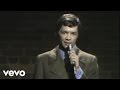
Mitch Ryder’s Spotify BioThe unsung heart and soul of the Motor City rock & roll scene, Mitch Ryder is one of the most powerful vocalists to rise to fame in the '60s, a full-bodied rock belter who is also one of the most credible blue-eyed soul men of his generation. He first made a nationwide impression fronting Mitch Ryder & the Detroit Wheels, whose fiery R&B attack boasted a gritty passion and incendiary energy matched by few artists on either side of the color line. After exploding onto the charts in 1966 and 1967 with singles like "Jenny Take a Ride" and "Devil with a Blue Dress On/Good Golly Miss Molly," Ryder went solo on the advice of producer Bob Crewe, though albums like 1967's What Now My Love and 1969's The Detroit-Memphis Experiment lacked the fire of the Detroit Wheels hits and didn't fare as well on the charts. After scoring regional success with the hard rock band Detroit, Ryder dropped out of music until he issued 1978's How I Spent My Vacation, a powerful and personal set that showed he was… still a powerful vocalist and a songwriter with a unique point of view. While 1983's Never Kick a Sleeping Dog (produced by John Mellencamp) gave him a hit with a cover of Prince's "When You Were Mine," he was widely seen as an oldies act in the United States, but he enjoyed a contemporary career in Europe, especially Germany, where he performed often and released fresh material, reaching a high-water mark with 2012's Don Was-produced The Promise, while 2024's live set, The Roof Is On Fire, showed he could still work a crowd.
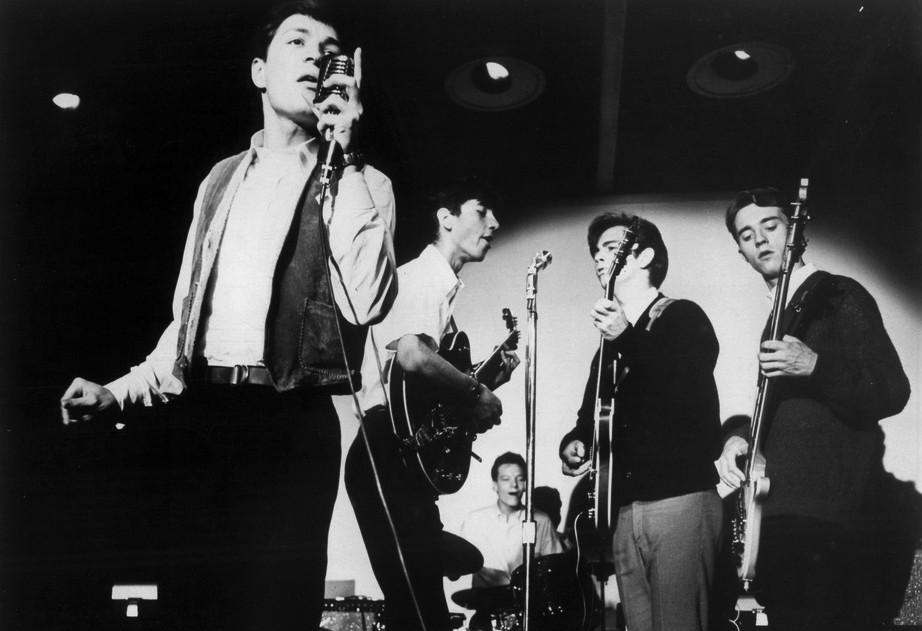
Born William Levise, Jr. in Hamtramck, Michigan, on February 26, 1945, Ryder sang with a local Black quartet dubbed the Peps as a teen, but suffered so much racial harassment that he soon left the group to form his own combo, Billy Lee & the Rivieras. While opening for the Dave Clark Five during a 1965 date, the Rivieras came to the attention of producer Bob Crewe, who immediately signed the group and, according to legend, rechristened the singer Mitch Ryder after randomly selecting the name from a phone book. Backed by the peerless Detroit Wheels -- originally guitarists James McCarty and Joe Cubert, bassist Earl Elliot, and drummer Johnny "Bee" Badanjek -- Ryder reached the Top Ten in early 1966 with "Jenny Take a Ride"; the single, a frenzied combination of Little Richard's "Jenny Jenny" and Chuck Willis' "C.C. Rider," remains one of the quintessential moments in blue-eyed soul, its breathless intensity setting the tone for the remainder of the band's output.
Ryder & the Detroit Wheels returned to the charts weeks later with their reading of "Little Latin Lupe Lu," scoring their biggest hit that autumn with the Top Five smash "Devil with a Blue Dress On/Good Golly Miss Molly." "Sock It to Me Baby!" followed in early 1967, but at Crewe's insistence, Ryder soon split from the rest of the band to mount a solo career. The move proved disastrous -- outside of the Top 30 entry "What Now My Love," the hits quickly and permanently dried up. In 1969, Ryder teamed with Booker T. & the MG's for an LP titled The Detroit-Memphis Experiment before returning home and reuniting with Badanjek in a new seven-piece hard rock band known simply as Detroit. The group's lone LP, a self-titled effort issued in 1971, remains a minor classic, yielding a major FM radio hit with its cover of Lou Reed's "Rock and Roll" that was praised by Reed himself. However, years of performing were taking their toll, and as Ryder began suffering more and more from severe throat problems, he retired from music, relocating to the Denver area in 1973. In time he began writing songs with wife Kimberley, also taking up painting and working on a novel.
Ryder resurfaced in 1978 on his own Seeds and Stems label with How I Spent My Vacation, his first new LP in seven years; Naked But Not Dead appeared a year later, and he continued his prolific output in 1981 with two new efforts, Live Talkies and Got Change for a Million? In 1983, ardent fan John Cougar Mellencamp agreed to produce Ryder's major-label comeback, Never Kick a Sleeping Dog, which generated a minor hit with its cover of the Prince classic "When You Were Mine" but otherwise failed to return the singer to mainstream success, at least at home. In Europe, and particularly in Germany, he retained a large fan following, releasing In the China Shop on the German label Line in 1986. After satirizing the Iran-Contra debacle with the 1987 single "Good Golly, Ask Ollie," Ryder issued the full-length Red Blood, White Mink the following year; subsequent efforts include 1990's The Beautiful Toulang Sunset, 1992's La Gash, and 1994's Rite of Passage. He continued touring steadily in the years to come and also worked on an autobiography. Ryder's first new studio album in nearly 20 years, the Don Was-produced The Promise, appeared in 2012.
Ryder received an especially valued accolade in 2017 when he was inducted into the Rhythm & Blues Hall of Fame; other inductees that year included James Brown, Patti LaBelle, and Gladys Knight & the Pips. In 2018, Ryder released his first holiday album, an uptempo set titled Christmas (Take a Ride), and the following year, Detroit Breakout saw him covering a set of classic hits of the 1960s and '70s with help from a variety of guest stars, including James Williamson of Iggy & the Stooges, Wayne Kramer of the MC5, Cherie Currie of the Runaways, Lee Oskar of War, and Walter Lure of the Heartbreakers. After relocating to a new home in Georgia, Ryder wrote and recorded an album reflecting the sounds and moods of the American South, 2023's Georgia Drift, which was issued by the German BuschFunk label. 2024's The Roof Is on Fire was a two-disc live album compiled from shows recorded in Dresden in 2019 and Berlin and Bonn in 2020. ~ Jason Ankeny & Mark Deming, Rovi
Viberate is a music analytics platform built for A&Rs, artist managers, labels, booking agents, marketers, and artists.
It helps music professionals track artist growth, analyze audience data, monitor playlist activity, compare artists, follow song performance, and identify opportunities across the music market.
Public artist pages provide a free preview of selected artist data. Paid plans provide access to deeper analytics, historical data, charts, comparisons, playlist tools, exports, alerts, reports, and additional professional features.
Yes. Public Viberate artist pages provide selected artist analytics and music data for free.
Viberate also offers a 7-day free trial of the full platform. A credit card is required to start the trial. The trial includes access to the complete product so users can test deeper artist analytics, historical views, playlist insights, comparisons, charts, exports, alerts, and reporting features before choosing a paid plan.
Viberate provides artist analytics across streaming, playlists, social media, video, radio airplay, songs, and audience markets.
Users can analyze Spotify performance, Spotify and Apple Music playlists, YouTube activity, TikTok and Instagram growth, radio spins, song performance, audience locations, demographics, rankings, and overall artist momentum.
Artist profiles also connect to music charts, similar artists, and comparison tools, helping users benchmark performance and evaluate artists in context.
Viberate updates key artist and track data daily.
For followed artists and tracks, selected data is refreshed multiple times per day. This helps teams monitor playlist changes, streaming movement, audience growth, releases, and campaign performance with more current data.
Update frequency can vary depending on the metric and data source.
Yes. Viberate lets users compare up to five artists side by side across streaming, social media, audience, and engagement metrics.
Users can compare fanbase growth, audience demographics, locations, Spotify performance, social metrics, and other artist data over selected time periods.
Artist comparison can be used for A&R scouting, benchmarking, booking decisions, campaign planning, and evaluating artists with similar audiences or market positions.