Miracle Legion

Pop
Indie Pop
Indie Rock
 Viberate Rank: 205963
 Viberate Rank: 205963
 Monthly ListenersFollowers
 Subscribers
 Followers
 Followers
 FansTop Spotify Songs
| Track | 7-Day Streams | |
|---|---|---|
1 | 3.59K | |
2 | 3.26K | |
3 | 733 | |
4 | 564 | |
5 | 503 |
Top YouTube VideosMonthly ListenersFeatured in Playlists| Playlist | Followers | |
|---|---|---|
1 | The Morning Spring 2023 Playlist nytimes | 30.66K |
2 |  the jangle pop masterlist Arielle | 5.96K |
3 |  Off Your Face anton newcombe | 5.86K |
4 |  MaxiPop Collection (Edicion Limitada) Techno Pop - New Wave Alexiny | 5.21K |
5 |  Adventures in Babysitting yikes_teags | 4.62K |
Audience| City | Monthly Listeners | |
|---|---|---|
1 | | 482 |
2 | | 448 |
3 | | 430 |
4 | | 382 |
5 |  | 345 |
See full performance history, audience data, playlist activity, rankings, comparisons, and more in Viberate music analytics. Start with a free trial, then continue with a paid plan.
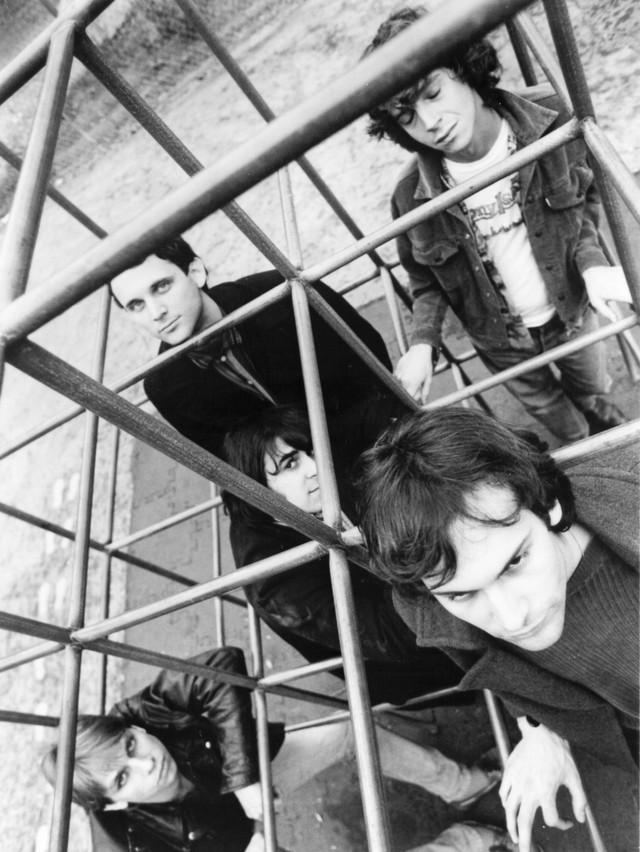
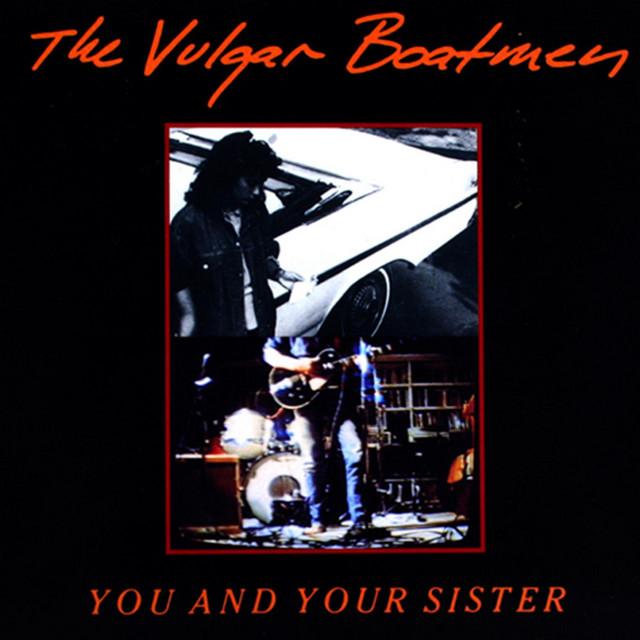
Miracle Legion’s Spotify BioMiracle Legion were a Connecticut-based band that immediately sprang to life on the heels of a post-R.E.M. guitar rock boom, chiefly because lead singer Mark Mulcahy's voice bore an uncanny resemblance to Michael Stipe's, and the arpeggio guitar structures were akin to Peter Buck's. But the band -- Ray Neal (guitar), Jeff Wiederschall (drums), and Steven West (bass), and later just Mulcahy and Neal -- ultimately became unique in its own right. The Backyard EP, released by the small Incas Records label in 1984, was an immediate college radio hit, and the band rode high on its popularity for some time. It took until 1987 to get Surprise Surprise Surprise out on Rough Trade, and they were unable to capitalize on the initial buzz; the tone was no longer so sprightly. The follow-up, 1988's Glad, was a collection of originals and some live tracks recorded with Pere Ubu. By 1989, Mulcahy and Neal were working as a duo and released a savvy acoustic album titled Me and Mr. Ray on Rough Trade.… Having abandoned the R.E.M. sound, the band found its own direction as a country-rock duo. Drenched arrived in 1992, followed by Portrait of a Damaged Family in 1997, the latter of which was released on Mulcahy's own Mezzotint Records. In 1999 Mulcahy released a solo album, Fathering, as well as music for Nickelodeon's The Adventures of Pete & Pete. He continued to record solo into the 2000s, putting out the I Just Shot Myself in the Foot Again EP (2000) and the full-lengths Smilesunset (2001) and In Pursuit of Your Happiness (2005). In 2016, Miracle Legion staged a reunion tour, and recordings from two of the dates were compiled into a live album, 2017's Annulment. ~ Denise Sullivan, Rovi
Viberate is a music analytics platform built for A&Rs, artist managers, labels, booking agents, marketers, and artists.
It helps music professionals track artist growth, analyze audience data, monitor playlist activity, compare artists, follow song performance, and identify opportunities across the music market.
Public artist pages provide a free preview of selected artist data. Paid plans provide access to deeper analytics, historical data, charts, comparisons, playlist tools, exports, alerts, reports, and additional professional features.
Yes. Public Viberate artist pages provide selected artist analytics and music data for free.
Viberate also offers a 7-day free trial of the full platform. A credit card is required to start the trial. The trial includes access to the complete product so users can test deeper artist analytics, historical views, playlist insights, comparisons, charts, exports, alerts, and reporting features before choosing a paid plan.
Viberate provides artist analytics across streaming, playlists, social media, video, radio airplay, songs, and audience markets.
Users can analyze Spotify performance, Spotify and Apple Music playlists, YouTube activity, TikTok and Instagram growth, radio spins, song performance, audience locations, demographics, rankings, and overall artist momentum.
Artist profiles also connect to music charts, similar artists, and comparison tools, helping users benchmark performance and evaluate artists in context.
Viberate updates key artist and track data daily.
For followed artists and tracks, selected data is refreshed multiple times per day. This helps teams monitor playlist changes, streaming movement, audience growth, releases, and campaign performance with more current data.
Update frequency can vary depending on the metric and data source.
Yes. Viberate lets users compare up to five artists side by side across streaming, social media, audience, and engagement metrics.
Users can compare fanbase growth, audience demographics, locations, Spotify performance, social metrics, and other artist data over selected time periods.
Artist comparison can be used for A&R scouting, benchmarking, booking decisions, campaign planning, and evaluating artists with similar audiences or market positions.