Mink DeVille

Rock
Pop Rock
Garage Rock
 Viberate Rank: 80847
 Viberate Rank: 80847
 Monthly ListenersFollowers
 Subscribers
 Followers
 Followers
 FansTop Spotify Songs
| Track | 7-Day Streams | |
|---|---|---|
1 | 25.30K | |
2 | 11.52K | |
3 | 4.79K | |
4 | 3.79K | |
5 | 3.49K |
Top YouTube VideosMonthly ListenersFeatured in Playlists| Playlist | Followers | |
|---|---|---|
1 |  Classic Rock Songs 60s 70s 80s 90s Music-Hits_. | 788.49K |
2 |  Era Dorada del Rock 🎸 Lo Mejor del Rock de los 60s 70s 80s & 90s 🔥 ⚡ | 79.91K |
3 |  Punk Classics Filtr Legacy Sweden | 73.29K |
4 |  Best Rock Songs from the 60s 70s 80s & 90s 🎸 Golden Rock Era Jessy Andersen | 56.94K |
5 | wicks Brennan McDowell | 43.73K |
Audience| City | Monthly Listeners | |
|---|---|---|
1 |  | 3.90K |
2 |  | 2.38K |
3 |  | 1.50K |
4 |  | 1.34K |
5 | | 1.20K |
See full performance history, audience data, playlist activity, rankings, comparisons, and more in Viberate music analytics. Start with a free trial, then continue with a paid plan.
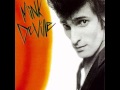
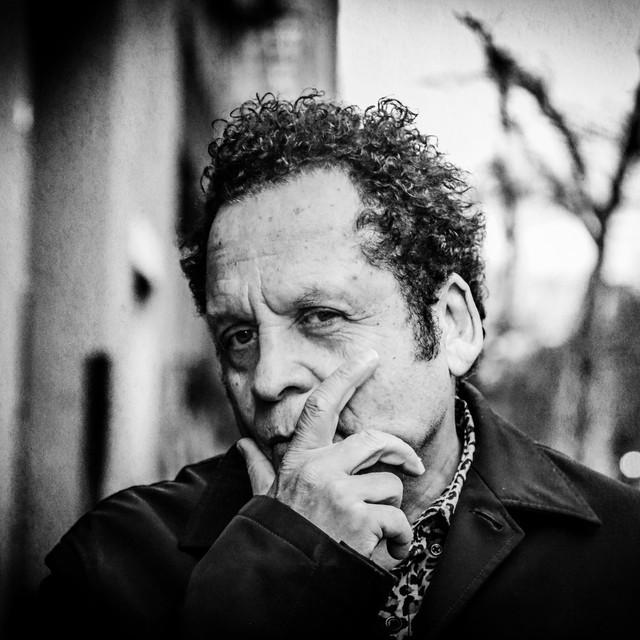
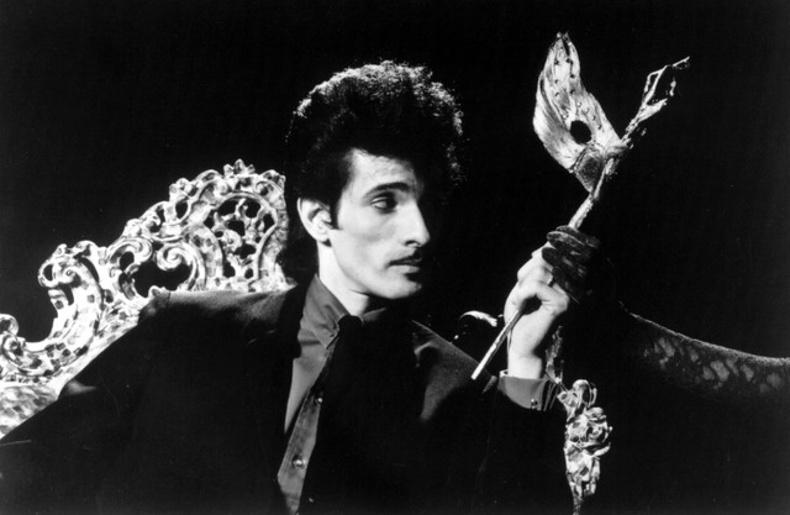
Mink DeVille’s Spotify BioAlthough a product of the New York punk scene, at heart Mink DeVille were a soul band with roots in R&B, the blues, and even Cajun music. The group was a showcase for frontman Willy DeVille (born William Boray in 1953), a native New Yorker who in 1971 traveled to London to form a band; unable to find compatible musicians, he worked as a solo performer before returning to the U.S. and settling in San Francisco, where he founded the first incarnation of Mink DeVille in 1974 with bassist Ruben Siguenza and drummer Tom "Manfred" Allen. After playing in Bay Area leather bars and lounges under a variety of names including Billy DeSade & the Marquis and the Lazy Eights, the trio read a music magazine feature spotlighting the Ramones; duly inspired, Mink DeVille relocated to New York, where they recruited guitarist Louie X. Erlanger. After debuting with three tracks on the Live at CBGB's compilation, the band entered the studio with legendary producer Jack Nitzsche and surfaced in 1977 with… Cabretta, an energetic, soulful outing highlighted by "Spanish Stroll," a Top 20 hit in the U.K.
After recording 1978's Return to Magenta, Willy DeVille dismissed his bandmates (save for Erlanger) and moved to Paris to record Le Chat Bleu, a record steeped in traditional French-Cajun romantic ballads -- complete with accordion backing -- and recorded with session luminaries including bassist Jerry Scheff, saxophonist Teenage Steve Douglas, and drummer Ron Tutt. Dismayed with the results, the group's label, Capitol, delayed its American release for over a year, prompting Mink DeVille to jump to Atlantic for 1981's Coup de Grace. By 1983's Where Angels Fear to Tread, Willy DeVille was the sole remaining founding member; after the release of 1985's Sportin' Life, he finally jettisoned the Mink DeVille name to continue working as a solo performer. Among his later recordings, the most successful was 1986's Mark Knopfler-produced Miracle; the single "Storybook Love" was later nominated for an Academy Award after it appeared in the film The Princess Bride. Willy DeVille died of pancreatic cancer in August 2009 at 58 years of age. ~ Jason Ankeny, Rovi
Viberate is a music analytics platform built for A&Rs, artist managers, labels, booking agents, marketers, and artists.
It helps music professionals track artist growth, analyze audience data, monitor playlist activity, compare artists, follow song performance, and identify opportunities across the music market.
Public artist pages provide a free preview of selected artist data. Paid plans provide access to deeper analytics, historical data, charts, comparisons, playlist tools, exports, alerts, reports, and additional professional features.
Yes. Public Viberate artist pages provide selected artist analytics and music data for free.
Viberate also offers a 7-day free trial of the full platform. A credit card is required to start the trial. The trial includes access to the complete product so users can test deeper artist analytics, historical views, playlist insights, comparisons, charts, exports, alerts, and reporting features before choosing a paid plan.
Viberate provides artist analytics across streaming, playlists, social media, video, radio airplay, songs, and audience markets.
Users can analyze Spotify performance, Spotify and Apple Music playlists, YouTube activity, TikTok and Instagram growth, radio spins, song performance, audience locations, demographics, rankings, and overall artist momentum.
Artist profiles also connect to music charts, similar artists, and comparison tools, helping users benchmark performance and evaluate artists in context.
Viberate updates key artist and track data daily.
For followed artists and tracks, selected data is refreshed multiple times per day. This helps teams monitor playlist changes, streaming movement, audience growth, releases, and campaign performance with more current data.
Update frequency can vary depending on the metric and data source.
Yes. Viberate lets users compare up to five artists side by side across streaming, social media, audience, and engagement metrics.
Users can compare fanbase growth, audience demographics, locations, Spotify performance, social metrics, and other artist data over selected time periods.
Artist comparison can be used for A&R scouting, benchmarking, booking decisions, campaign planning, and evaluating artists with similar audiences or market positions.