Million Dead

Punk
Hardcore Punk
Post Hardcore
 Viberate Rank: 295452
 Viberate Rank: 295452
 Monthly ListenersFollowers
 Subscribers
 Followers
 Followers
 FansTop Spotify Songs
| Track | 7-Day Streams | |
|---|---|---|
1 | 1.44K | |
2 | 1.02K | |
3 | 928 | |
4 | 637 | |
5 | 541 |
Top YouTube VideosMonthly ListenersFeatured in Playlists| Playlist | Followers | |
|---|---|---|
1 | Screamo/Post-Hardcore/Metalcore/Emocore Billy Storm | 31.91K |
2 | Bible of Nu-Metal/alternatif Grunt | 15.47K |
3 | The ULTIMATE Skate Punk and Punk Rock Playlist Pizza with Film | 12.95K |
4 |  John Peel Festive 50s Anders Björk | 5.74K |
5 | songs Will Gold | 5.34K |
Audience| City | Monthly Listeners | |
|---|---|---|
1 | | 630 |
2 | | 336 |
3 | | 181 |
4 | | 141 |
5 | | 123 |
See full performance history, audience data, playlist activity, rankings, comparisons, and more in Viberate music analytics. Start with a free trial, then continue with a paid plan.
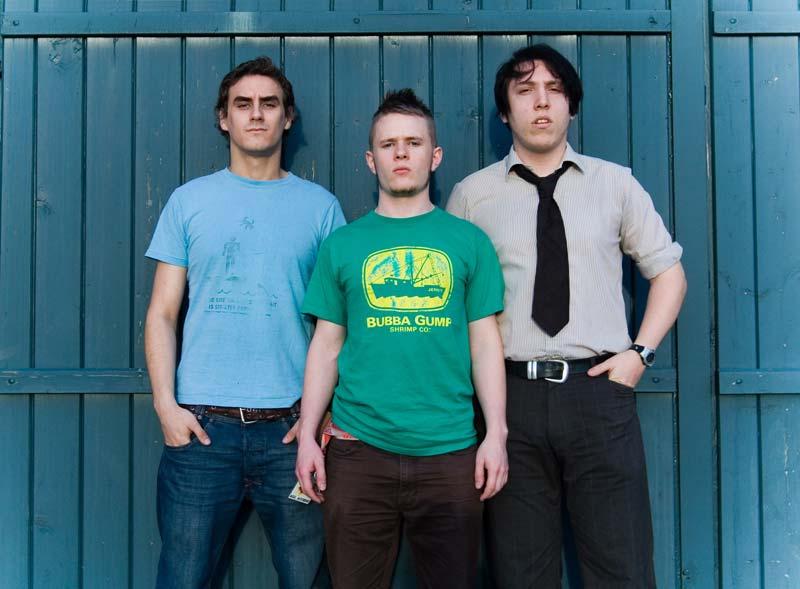
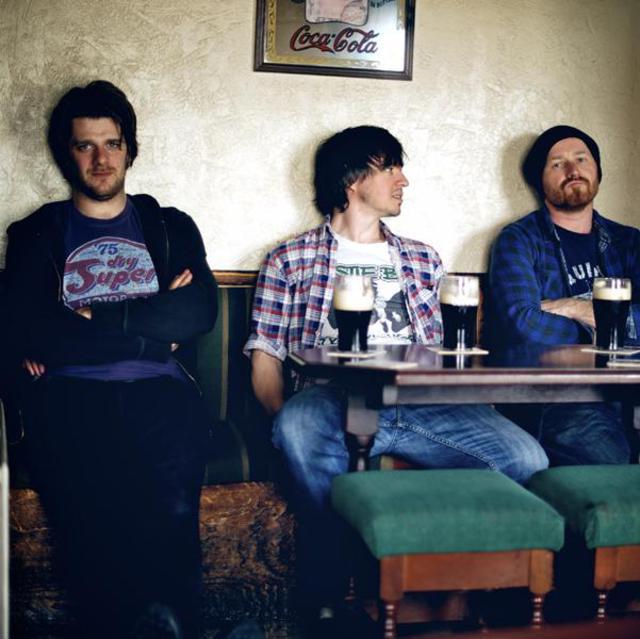
Million Dead’s Spotify BioEmerging from the same mid-noughties post-hardcore scene as Funeral for a Friend and Hell Is for Heroes, Million Dead were an Anglo-Australian quartet influenced by the avant-garde punk rock of At the Drive-In. Named after a lyric in Swedish metal band Refused's track "The Apollo Programme Was a Hoax," the band formed in 2000 when guitarist Cameron Dean and bassist Julia Ruzicka, two Australians who had relocated to London, teamed up with vocalist Frank Turner and drummer Ben Dawson. After support slots on U.K. tours of the Eighties Matchbox B-Line Disaster, the Icarus Line, and Alec Empire, they released their debut EP, Smiling at Strangers on Trains, through Integrity Records in 2002, and followed it up a year later with their first album, A Song to Ruin. In 2004, Dean left the band to get married and was replaced by Tom Fowler, who contributed to sophomore album Harmony No Harmony, but other than a remix of a track by U.K. hip-hop artist Blade, it was the last recording by the… group, whose members announced their split due to irreconcilable differences in 2005. Turner launched a solo career with a new folk-punk direction, releasing the albums Sleep Is for the Week, Love Ire & Song, and Poetry of the Deed; Ruzicka joined Future of the Left and played in various bands with Fowler, including Quiet Kill and Who Owns Death TV; and Dawson became a drummer for the likes of Palehorse and Armed Response Unit. ~ Jon O'Brien, Rovi
Viberate is a music analytics platform built for A&Rs, artist managers, labels, booking agents, marketers, and artists.
It helps music professionals track artist growth, analyze audience data, monitor playlist activity, compare artists, follow song performance, and identify opportunities across the music market.
Public artist pages provide a free preview of selected artist data. Paid plans provide access to deeper analytics, historical data, charts, comparisons, playlist tools, exports, alerts, reports, and additional professional features.
Yes. Public Viberate artist pages provide selected artist analytics and music data for free.
Viberate also offers a 7-day free trial of the full platform. A credit card is required to start the trial. The trial includes access to the complete product so users can test deeper artist analytics, historical views, playlist insights, comparisons, charts, exports, alerts, and reporting features before choosing a paid plan.
Viberate provides artist analytics across streaming, playlists, social media, video, radio airplay, songs, and audience markets.
Users can analyze Spotify performance, Spotify and Apple Music playlists, YouTube activity, TikTok and Instagram growth, radio spins, song performance, audience locations, demographics, rankings, and overall artist momentum.
Artist profiles also connect to music charts, similar artists, and comparison tools, helping users benchmark performance and evaluate artists in context.
Viberate updates key artist and track data daily.
For followed artists and tracks, selected data is refreshed multiple times per day. This helps teams monitor playlist changes, streaming movement, audience growth, releases, and campaign performance with more current data.
Update frequency can vary depending on the metric and data source.
Yes. Viberate lets users compare up to five artists side by side across streaming, social media, audience, and engagement metrics.
Users can compare fanbase growth, audience demographics, locations, Spotify performance, social metrics, and other artist data over selected time periods.
Artist comparison can be used for A&R scouting, benchmarking, booking decisions, campaign planning, and evaluating artists with similar audiences or market positions.