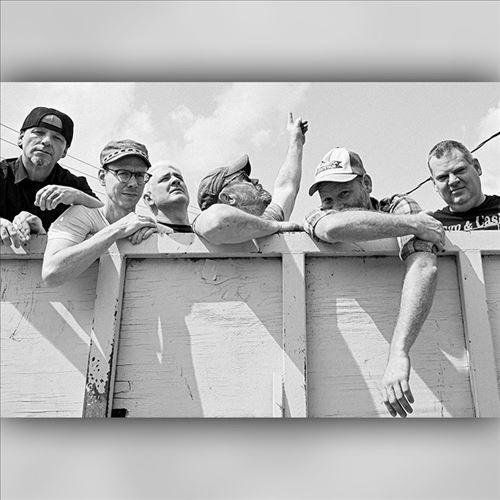
Bear Vs. Shark

Rock
Alternative Rock
Post Hardcore
 Viberate Rank: 191005
 Viberate Rank: 191005
 Monthly ListenersFollowers
 Subscribers
 Followers
 Followers
 FansTop Spotify Songs
| Track | 7-Day Streams | |
|---|---|---|
1 | 3.97K | |
2 | 2.47K | |
3 | 2.11K | |
4 | 1.84K | |
5 | 1.38K |
Top YouTube VideosMonthly ListenersFeatured in Playlists| Playlist | Followers | |
|---|---|---|
1 |  Anakin Skywalker Star Wars | 15.99K |
2 |  90s/00s Pop/Punk sunil | 15.95K |
3 |  Post-Hardcore: Classics Iodine Recordings | 5.66K |
4 |  90s Emo 1294439369 | 5.62K |
5 |  The Sound of Emo The Sounds of Spotify | 4.04K |
Audience| City | Monthly Listeners | |
|---|---|---|
1 | | 553 |
2 | | 451 |
3 | | 403 |
4 | | 384 |
5 | | 278 |
See full performance history, audience data, playlist activity, rankings, comparisons, and more in Viberate music analytics. Start with a free trial, then continue with a paid plan.
Bear Vs. Shark’s Spotify BioDetroit-area indie rock quintet Bear vs. Shark only formed officially in 2001, but guitarist John Gaviglio, vocalist Marc Paffi, bassist Mike Muldoon, second guitarist Derek Kiesgen, and drummer Brandon Moss had known each other since junior high school. Influenced by crushing highs and soul-searching lows of '90s emo and indie, Bear vs. Shark self-released a debut and gigged throughout the metro Detroit and Lansing area, all the while waiting for most of its membership to graduate from college. Once that hurdle was conquered, the band signed with the New York indie Equal Vision, which released the ambitiously textured rock of Right Now, You're in the Best of Hands in July 2003. The album's release was followed by a year of heavy touring (with acts like Hopesfall, Hey Mercedes, and Coheed & Cambria), so heavy that Bear vs. Shark's website recounted numerous tour van mishaps. By September 2004 Bear vs. Shark were back in Michigan and making plans for a second album; Terrorhawk was… released in mid-2005. Sadly, the bandmembers announced their breakup before the year's end. ~ Johnny Loftus, Rovi
Viberate is a music analytics platform built for A&Rs, artist managers, labels, booking agents, marketers, and artists.
It helps music professionals track artist growth, analyze audience data, monitor playlist activity, compare artists, follow song performance, and identify opportunities across the music market.
Public artist pages provide a free preview of selected artist data. Paid plans provide access to deeper analytics, historical data, charts, comparisons, playlist tools, exports, alerts, reports, and additional professional features.
Yes. Public Viberate artist pages provide selected artist analytics and music data for free.
Viberate also offers a 7-day free trial of the full platform. A credit card is required to start the trial. The trial includes access to the complete product so users can test deeper artist analytics, historical views, playlist insights, comparisons, charts, exports, alerts, and reporting features before choosing a paid plan.
Viberate provides artist analytics across streaming, playlists, social media, video, radio airplay, songs, and audience markets.
Users can analyze Spotify performance, Spotify and Apple Music playlists, YouTube activity, TikTok and Instagram growth, radio spins, song performance, audience locations, demographics, rankings, and overall artist momentum.
Artist profiles also connect to music charts, similar artists, and comparison tools, helping users benchmark performance and evaluate artists in context.
Viberate updates key artist and track data daily.
For followed artists and tracks, selected data is refreshed multiple times per day. This helps teams monitor playlist changes, streaming movement, audience growth, releases, and campaign performance with more current data.
Update frequency can vary depending on the metric and data source.
Yes. Viberate lets users compare up to five artists side by side across streaming, social media, audience, and engagement metrics.
Users can compare fanbase growth, audience demographics, locations, Spotify performance, social metrics, and other artist data over selected time periods.
Artist comparison can be used for A&R scouting, benchmarking, booking decisions, campaign planning, and evaluating artists with similar audiences or market positions.