Milca

R&B
Contemporary R&B
Zouk
 Viberate Rank: 93063
 Viberate Rank: 93063
 Monthly ListenersFollowers
 Subscribers
 Followers
 Followers
 FansTop Spotify Songs
| Track | 7-Day Streams | |
|---|---|---|
1 | 15.27K | |
2 | 14.92K | |
3 | 7.29K | |
4 | 5.35K | |
5 | 3.16K |
Top YouTube VideosMonthly ListenersFeatured in Playlists| Playlist | Followers | |
|---|---|---|
1 | Haitian 🇭🇹 Party Hits 💯‼️ PrincessLyndj | 33.13K |
2 |  ZOUK CLASSICS 🌫️ | 29.73K |
3 | Mélanie Dias | 18.48K |
4 |  Zouk rétro 1980-2000 Gorterabès Music | 16.82K |
5 | kenystar | 16.29K |
Audience| City | Monthly Listeners | |
|---|---|---|
1 | | 4.27K |
2 | | 1.62K |
3 | | 1.52K |
4 |  | 1.31K |
5 | | 989 |
See full performance history, audience data, playlist activity, rankings, comparisons, and more in Viberate music analytics. Start with a free trial, then continue with a paid plan.
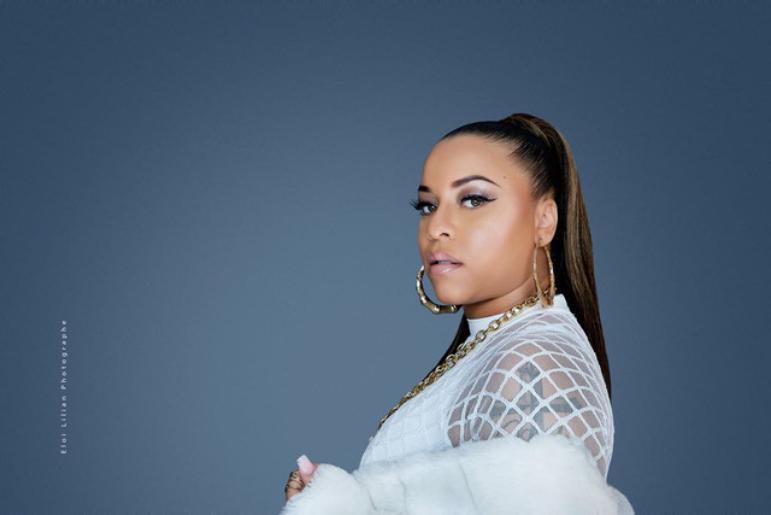
Milca’s Spotify BioÉlevée par un père mélomane, collectionneur de vinyles et fan de Kompa, son talent inné pour le chant se révèle dès l’enfance.
En Guyane, là où elle voit le jour, Milca chante tantôt pour l’Armée du Salut, tantôt pour la famille et les amis. Elle évolue avec différentes influences musicales allant du zouk au kompa en passant par le jazz ou la variété. Mariah Carey ou Whitney Houston sont quelques-unes de ses inspirations.
Bien qu’elle fasse ses premiers sous cette étiquette, c’est la musique afro-caribéenne qui la révélera au public en 2005 avec l’album « Simplement » dont le titre phare éponyme est devenu un tube et devenu un classique zouk. Ayant ainsi trouvé sa voix, Milca s’affirme à travers une musique de caractère, chaleureuse et sensuelle.
La confirmation vient en 2007 lorsqu'elle reçoit le prix de meilleure interprète féminine des Trophées des Arts Afro-caribéens. S’enchaînent ensuite les succès. Sa voix à la fois puissante et délicate a fait de Milca l’une des artistes… incontournables de la scène afro-caribéenne. Profondément ancrée en tant qu’haïtienne née en Guyane qui grandit en région parisienne, son histoire est, dès le départ le récit d’un voyage entre différentes terres dont elle est le trait d’union.
Devenue une véritable ambassadrice du zouk, Milca sillonne aujourd’hui le monde entier pour faire découvrir sa musique. Elle se produit régulièrement aux USA, aux Antilles, en Afrique (Sénégal, Comores, Congo...) à La Réunion ou encore en Haiti...
Viberate is a music analytics platform built for A&Rs, artist managers, labels, booking agents, marketers, and artists.
It helps music professionals track artist growth, analyze audience data, monitor playlist activity, compare artists, follow song performance, and identify opportunities across the music market.
Public artist pages provide a free preview of selected artist data. Paid plans provide access to deeper analytics, historical data, charts, comparisons, playlist tools, exports, alerts, reports, and additional professional features.
Yes. Public Viberate artist pages provide selected artist analytics and music data for free.
Viberate also offers a 7-day free trial of the full platform. A credit card is required to start the trial. The trial includes access to the complete product so users can test deeper artist analytics, historical views, playlist insights, comparisons, charts, exports, alerts, and reporting features before choosing a paid plan.
Viberate provides artist analytics across streaming, playlists, social media, video, radio airplay, songs, and audience markets.
Users can analyze Spotify performance, Spotify and Apple Music playlists, YouTube activity, TikTok and Instagram growth, radio spins, song performance, audience locations, demographics, rankings, and overall artist momentum.
Artist profiles also connect to music charts, similar artists, and comparison tools, helping users benchmark performance and evaluate artists in context.
Viberate updates key artist and track data daily.
For followed artists and tracks, selected data is refreshed multiple times per day. This helps teams monitor playlist changes, streaming movement, audience growth, releases, and campaign performance with more current data.
Update frequency can vary depending on the metric and data source.
Yes. Viberate lets users compare up to five artists side by side across streaming, social media, audience, and engagement metrics.
Users can compare fanbase growth, audience demographics, locations, Spotify performance, social metrics, and other artist data over selected time periods.
Artist comparison can be used for A&R scouting, benchmarking, booking decisions, campaign planning, and evaluating artists with similar audiences or market positions.