Midfield General

Electronic
Downtempo
Other Electronic Music
 Viberate Rank: 238563
 Viberate Rank: 238563
 Monthly ListenersFollowers
 Subscribers
 Followers
 Followers
 FansTop Spotify Songs
| Track | 7-Day Streams | |
|---|---|---|
1 | 3.00K | |
2 | 1.77K | |
3 | 1.08K | |
4 | 463 | |
5 | 463 |
Top YouTube VideosMonthly ListenersFeatured in Playlists| Playlist | Followers | |
|---|---|---|
1 | Berghain Music Roman Wäger | 39.72K |
2 |  Gerd Janson's track IDs Spotify | 37.20K |
3 | Chilled Ibiiiza murraysurf-gb | 18.63K |
4 |  Dance Through The Decades RE:VERSAL | 12.44K |
5 |  [HOUSE OF SPOILS] HOUSE RADIO Spoils | 12.21K |
Audience| City | Monthly Listeners | |
|---|---|---|
1 | | 1.06K |
2 |  | 602 |
3 | | 570 |
4 | | 354 |
5 |  | 328 |
See full performance history, audience data, playlist activity, rankings, comparisons, and more in Viberate music analytics. Start with a free trial, then continue with a paid plan.
Midfield General’s Spotify BioNot just another big beat act invading the LP realm a couple of years too late, Midfield General is the recording alias of Skint label boss Damian Harris. A prime architect of the sound of big beat, Harris grew up listening first to punk, then hip-hop, and finally acid house. He then moved to Brighton to study art, eventually taking work as a DJ while promoting clubs around the city. In 1994, his music knowledge landed him a job at Loaded Records, where former Housemartins member Norman Cook -- a friend of Harris' since his days working at the Rounder store in Brighton -- recorded as Pizzaman.
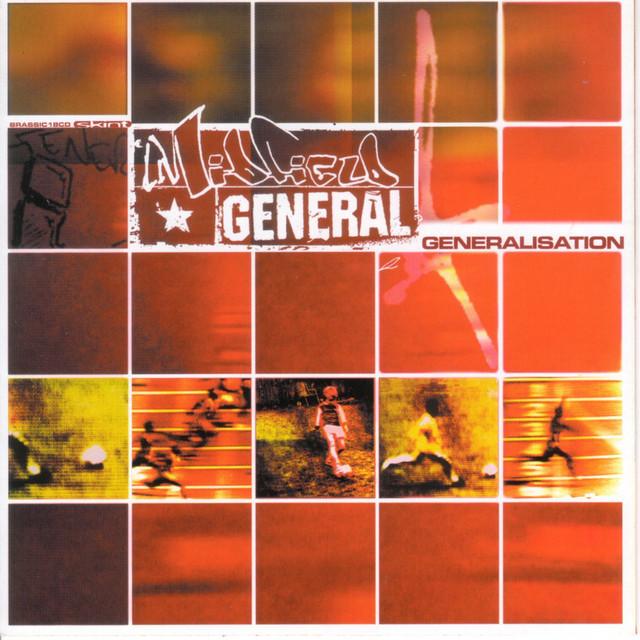
Harris and Cook's mutual vision brought about Cook's first single as Fatboy Slim, "Santa Cruz." After releases by Arthur and Hip Optimist (aka Andy Barlow, later of Lamb), Harris debuted his own Midfield General project in 1994 with "Worlds/Bung." Skint finally went overground with Cook's "Everybody Needs a 303." Almost overnight, the label became famous around Great Britain as ground zero for the… full-on collision between acid house mayhem, old school rap attitude, and hook-heavy sampladelic trip-hop that was later dubbed big beat, after the Skint club night, Big Beat Boutique, held at Brighton's Concorde. Releases by Req, Bentley Rhythm Ace, Hardknox, and Lo Fidelity Allstars cemented the catalog, and after Fatboy Slim's second album, You've Come a Long Way Baby, became an international phenomenon, Harris inaugurated a global deal with Sony. Taking the bulk of a year off from the office to concentrate on recording, he finally released his debut album, Generalisation, in 2000. Harris also mixed the third volume in Skint's On the Floor at the Boutique series and sought out additional studio work, even serving as executive producer for Justice's crossover single ""D.A.N.C.E." He then returned to his own work, releasing General Disarray in September 2008. ~ John Bush, Rovi
Viberate is a music analytics platform built for A&Rs, artist managers, labels, booking agents, marketers, and artists.
It helps music professionals track artist growth, analyze audience data, monitor playlist activity, compare artists, follow song performance, and identify opportunities across the music market.
Public artist pages provide a free preview of selected artist data. Paid plans provide access to deeper analytics, historical data, charts, comparisons, playlist tools, exports, alerts, reports, and additional professional features.
Yes. Public Viberate artist pages provide selected artist analytics and music data for free.
Viberate also offers a 7-day free trial of the full platform. A credit card is required to start the trial. The trial includes access to the complete product so users can test deeper artist analytics, historical views, playlist insights, comparisons, charts, exports, alerts, and reporting features before choosing a paid plan.
Viberate provides artist analytics across streaming, playlists, social media, video, radio airplay, songs, and audience markets.
Users can analyze Spotify performance, Spotify and Apple Music playlists, YouTube activity, TikTok and Instagram growth, radio spins, song performance, audience locations, demographics, rankings, and overall artist momentum.
Artist profiles also connect to music charts, similar artists, and comparison tools, helping users benchmark performance and evaluate artists in context.
Viberate updates key artist and track data daily.
For followed artists and tracks, selected data is refreshed multiple times per day. This helps teams monitor playlist changes, streaming movement, audience growth, releases, and campaign performance with more current data.
Update frequency can vary depending on the metric and data source.
Yes. Viberate lets users compare up to five artists side by side across streaming, social media, audience, and engagement metrics.
Users can compare fanbase growth, audience demographics, locations, Spotify performance, social metrics, and other artist data over selected time periods.
Artist comparison can be used for A&R scouting, benchmarking, booking decisions, campaign planning, and evaluating artists with similar audiences or market positions.