Lionrock

Electronic
Other Electronic Music
Techno
Downtempo
 Viberate Rank: 235433
 Viberate Rank: 235433
 Monthly ListenersFollowers
 Subscribers
 Followers
 Followers
 FansTop Spotify Songs
| Track | 7-Day Streams | |
|---|---|---|
1 | 3.52K | |
2 | 2.88K | |
3 | 2.88K | |
4 | 1.14K | |
5 | 594 |
Top YouTube VideosMonthly ListenersFeatured in Playlists| Playlist | Followers | |
|---|---|---|
1 | EAFC & FIFA Soundtracks 94-27 Ross Hyland | 81.30K |
2 | 90s Dance Anthems Mark Jason | 47.93K |
3 | Berghain Music Roman Wäger | 39.72K |
4 |  Job Jobse 2026 Jona | 23.58K |
5 |  EAFC & FIFA Soundtracks Bart Dunweg | 15.77K |
Audience| City | Monthly Listeners | |
|---|---|---|
1 | | 916 |
2 | | 348 |
3 |  | 332 |
4 | | 282 |
5 |  | 253 |
See full performance history, audience data, playlist activity, rankings, comparisons, and more in Viberate music analytics. Start with a free trial, then continue with a paid plan.
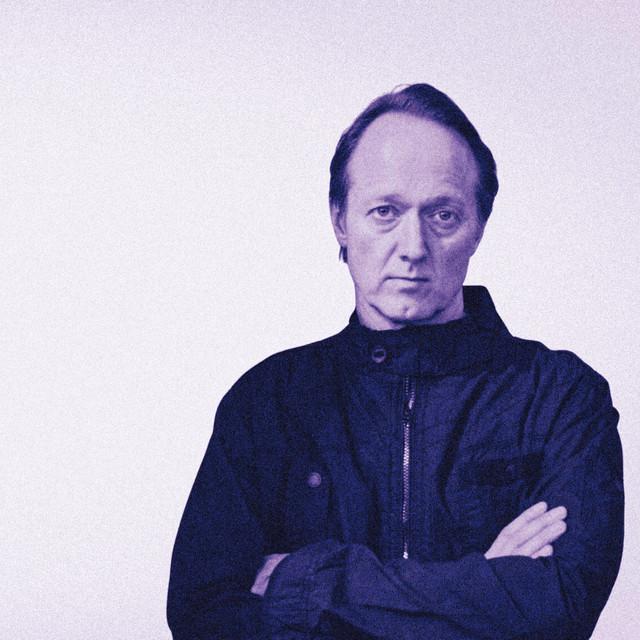
Lionrock’s Spotify BioProducer Justin Robertson began recording as Lionrock in 1991 after plotting a successful career as a DJ and remixer. Aloof in the limelight and popular almost despite himself, Robertson took an almost laughably conventional route to a level of success reached by less then one-percent of dance music producers. A native of Manchester, Robertson earned a degree in philosophy before taking a job as (what else) a record store clerk in the Eastern Bloc record shop, where he began collecting the funkier side of progressive house and DJing on a regular basis. After remixing a track for Mad Jack on in-house label Creed (his mix of "Feel the Hit" became something of a underground smash), Robertson was subsequently flagged down by the likes of the Shamen, Candyflip, the Sugarcubes, and Erasure to lend his evolving signature to their material. As his style matured, he became associated with the burgeoning Balaeric scene (a hodge-podge subcategory of house encompassing a range of influences, from… rock and R&B to disco and garage). Robertson released his solo debut, "Roots and Culture"/"Lionrock," on his own Most Excellent label in 1992. After peaking a few brows and spawning another round of remix work, Robertson was courted by pop/dance label Deconstruction, with whom he signed in 1993.
He released an additional EP, Packet of Peace, on Deconstruction in April of 1993 before settling in to record his full-length debut. Released late the following year, An Instinct for Detection was an ambitious effort, to say the least, featuring scads of instrumentation resolutely nontraditional by U.K. dance music standards, mixed and matched with dirty house breaks and aggressive but accessible arrangements. Although the record was met warmly, its subtle abuse of pop (in the Beach Boys, not the Mariah Carey sense) was lost on many, and it remains something of a cult favorite. Robertson embarked on an elaborate tour following the album's release, and the presence of guitars, percussion, and drum kit on the stage of a Lionrock show became standard from the word go. In 1996, the popular mix-CD series Journeys by DJ contracted a mixed set from Robertson, resulting in a massive two-disc set spanning the range not only of Lionrock's influences, but of the last two decades of electronic dance music as a whole. Robertson continued to be a popular remixer, and Lionrock releases -- including 1998's City Delirious -- appeared on a sporadic basis until he ditched the designation for his first production album under his own name, 2001's Revtone. ~ Sean Cooper, Rovi
Viberate is a music analytics platform built for A&Rs, artist managers, labels, booking agents, marketers, and artists.
It helps music professionals track artist growth, analyze audience data, monitor playlist activity, compare artists, follow song performance, and identify opportunities across the music market.
Public artist pages provide a free preview of selected artist data. Paid plans provide access to deeper analytics, historical data, charts, comparisons, playlist tools, exports, alerts, reports, and additional professional features.
Yes. Public Viberate artist pages provide selected artist analytics and music data for free.
Viberate also offers a 7-day free trial of the full platform. A credit card is required to start the trial. The trial includes access to the complete product so users can test deeper artist analytics, historical views, playlist insights, comparisons, charts, exports, alerts, and reporting features before choosing a paid plan.
Viberate provides artist analytics across streaming, playlists, social media, video, radio airplay, songs, and audience markets.
Users can analyze Spotify performance, Spotify and Apple Music playlists, YouTube activity, TikTok and Instagram growth, radio spins, song performance, audience locations, demographics, rankings, and overall artist momentum.
Artist profiles also connect to music charts, similar artists, and comparison tools, helping users benchmark performance and evaluate artists in context.
Viberate updates key artist and track data daily.
For followed artists and tracks, selected data is refreshed multiple times per day. This helps teams monitor playlist changes, streaming movement, audience growth, releases, and campaign performance with more current data.
Update frequency can vary depending on the metric and data source.
Yes. Viberate lets users compare up to five artists side by side across streaming, social media, audience, and engagement metrics.
Users can compare fanbase growth, audience demographics, locations, Spotify performance, social metrics, and other artist data over selected time periods.
Artist comparison can be used for A&R scouting, benchmarking, booking decisions, campaign planning, and evaluating artists with similar audiences or market positions.