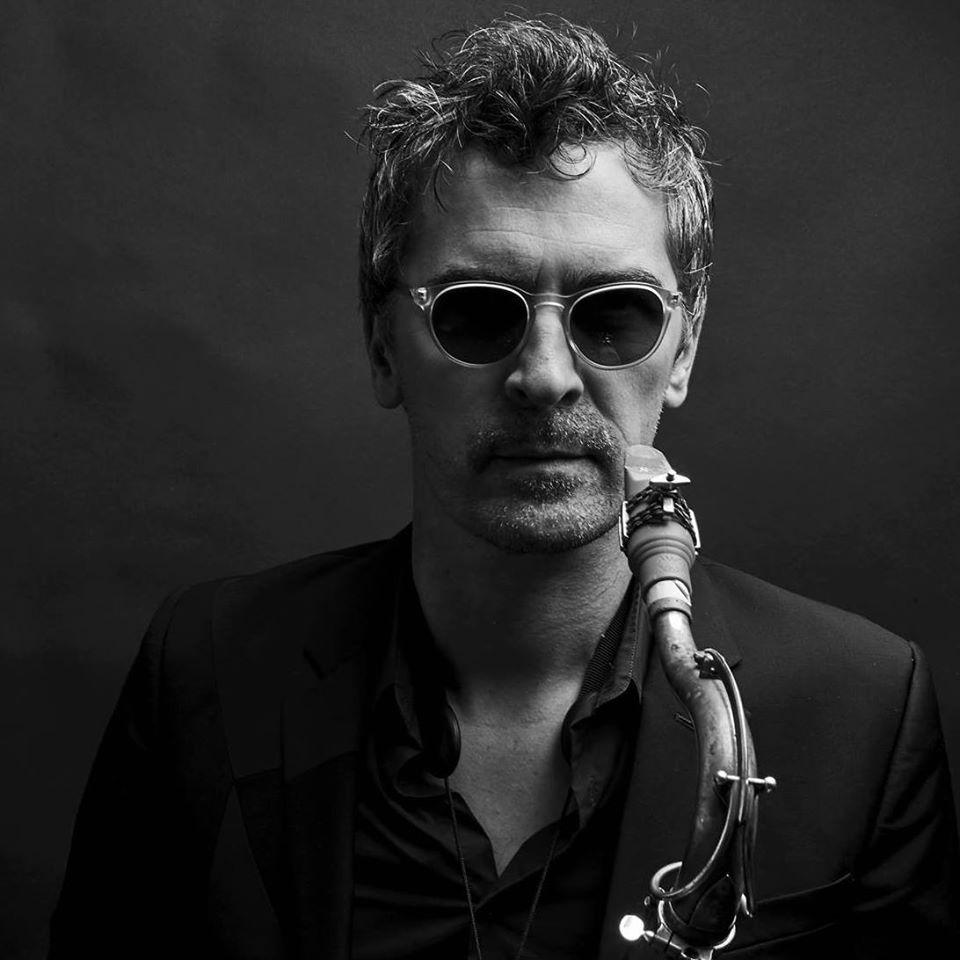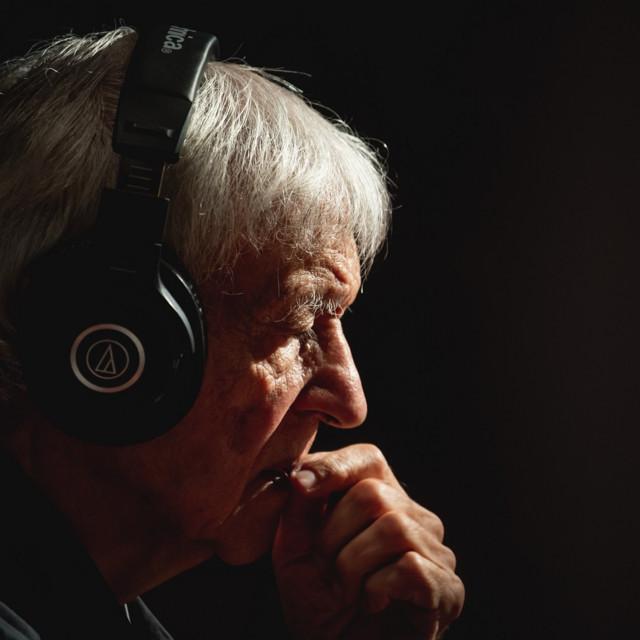
Michel Portal

Jazz
Free Jazz
Jazz Fusion
 Viberate Rank: 154277
 Viberate Rank: 154277
 Monthly ListenersFollowers
 Subscribers
 Followers
 Followers
 FansTop Spotify Songs
| Track | 7-Day Streams | |
|---|---|---|
1 | 4.21K | |
2 | 3.44K | |
3 | 2.66K | |
4 | 2.65K | |
5 | 2.56K |
Top YouTube VideosMonthly ListenersFeatured in Playlists| Playlist | Followers | |
|---|---|---|
1 |  Best of the Best of Jazz 118614068 | 61.28K |
2 |  JAZZ FUSION FUNK AND SOUL Jazz Fusion Funk&Soul | 11.91K |
3 |  The Jazz Clarinet Adam Price | 10.19K |
4 |  ECM New & Forthcoming ECM Records | 9.45K |
5 |  HI FI TEST, LOSSLESS,HI END, HI RES,HEADPHONES, AUDIOPHILE. TOP BEST RÉCORDS OF ROCK, POP, BLUES, purodemalta | 9.23K |
Audience| City | Monthly Listeners | |
|---|---|---|
1 | | 1.52K |
2 |  | 953 |
3 |  | 778 |
4 |  | 581 |
5 |  | 572 |
See full performance history, audience data, playlist activity, rankings, comparisons, and more in Viberate music analytics. Start with a free trial, then continue with a paid plan.
Michel Portal’s Spotify BioMulti-instrumentalist (clarinets, saxophones, bandoneon, etc.) and composer Michel Portal can be considered the father of the French modern jazz scene.
Classically trained, Portal gained renown through his association with various modern and contemporary music composers. His performance as the featured soloist on Pierre Boulez's Domaines remains a highlight of his career. However, this exceptional musician also had a serious interest in folk music and jazz. In the late '60s, he initiated the free jazz movement in France with François Tusques, Bernard Vitet, and Sunny Murray. He went on to form New Phonic Art with Vinko Globokar, Carlos Roque Alsina, and Jean-Pierre Drouet to encourage collective improvisation, sonic explorations, and instant composing. In 1970, Portal developed a fruitful collaboration with John Surman. The following year, he created the long-lived Michel Portal Unit, a structure designed to have European and American musicians meet in a freely improvised setting. In… 1975, writing movie soundtracks became a regular activity, which is well-documented on Musiques de Cinémas. In the '80s and '90s, Portal went through countless new musical encounters, never following a plan and always seizing the moment. During that period, his most notable collaborators included Pierre Favre, Dave Liebman, Martial Solal, Mino Cinelu, and Jack DeJohnette.
At the turn of the century, Portal finally started to make a serious connection with the U.S., and Minneapolis in particular. He enlisted the help of some of Prince's musicians to develop a rock-tinged project which represented yet another departure. More stylistically expansive releases followed, including 2007's Birdwatcher and 2009's Remembering Weather Report. In 2017, Portal collaborated with the French string ensemble Quatuor Ebene on Eternal Stories. ~ Alain Drouot, Rovi
Viberate is a music analytics platform built for A&Rs, artist managers, labels, booking agents, marketers, and artists.
It helps music professionals track artist growth, analyze audience data, monitor playlist activity, compare artists, follow song performance, and identify opportunities across the music market.
Public artist pages provide a free preview of selected artist data. Paid plans provide access to deeper analytics, historical data, charts, comparisons, playlist tools, exports, alerts, reports, and additional professional features.
Yes. Public Viberate artist pages provide selected artist analytics and music data for free.
Viberate also offers a 7-day free trial of the full platform. A credit card is required to start the trial. The trial includes access to the complete product so users can test deeper artist analytics, historical views, playlist insights, comparisons, charts, exports, alerts, and reporting features before choosing a paid plan.
Viberate provides artist analytics across streaming, playlists, social media, video, radio airplay, songs, and audience markets.
Users can analyze Spotify performance, Spotify and Apple Music playlists, YouTube activity, TikTok and Instagram growth, radio spins, song performance, audience locations, demographics, rankings, and overall artist momentum.
Artist profiles also connect to music charts, similar artists, and comparison tools, helping users benchmark performance and evaluate artists in context.
Viberate updates key artist and track data daily.
For followed artists and tracks, selected data is refreshed multiple times per day. This helps teams monitor playlist changes, streaming movement, audience growth, releases, and campaign performance with more current data.
Update frequency can vary depending on the metric and data source.
Yes. Viberate lets users compare up to five artists side by side across streaming, social media, audience, and engagement metrics.
Users can compare fanbase growth, audience demographics, locations, Spotify performance, social metrics, and other artist data over selected time periods.
Artist comparison can be used for A&R scouting, benchmarking, booking decisions, campaign planning, and evaluating artists with similar audiences or market positions.