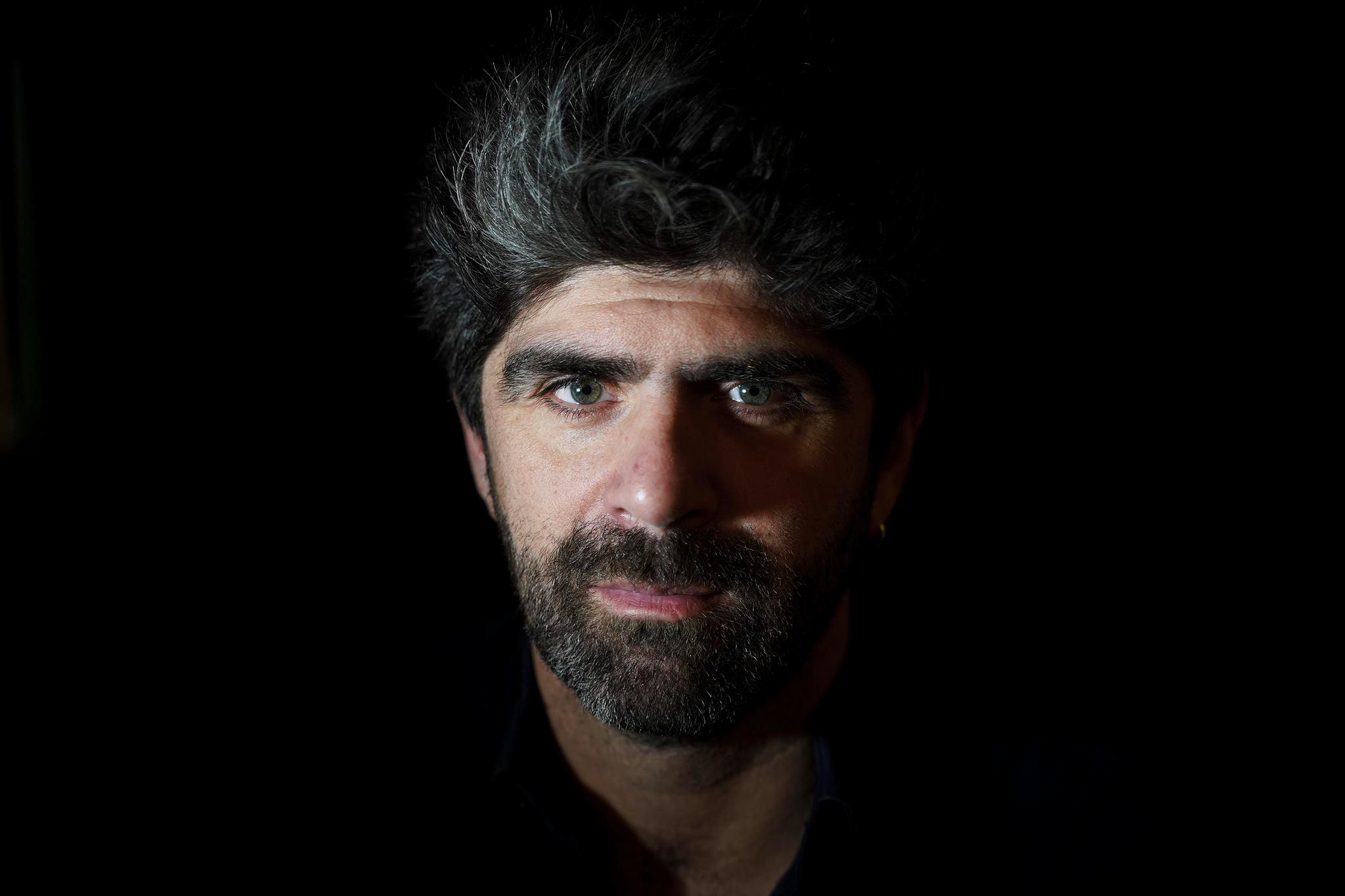
Louis Sclavis

Jazz
Free Jazz
Jazz Fusion
 Viberate Rank: 175901
 Viberate Rank: 175901
 Monthly ListenersFollowers
 Subscribers
 Followers
 Followers
 FansTop Spotify Songs
| Track | 7-Day Streams | |
|---|---|---|
1 | 16.60K | |
2 | 11.16K | |
3 | 3.10K | |
4 | 649 | |
5 | 565 |
Top YouTube VideosMonthly ListenersFeatured in Playlists| Playlist | Followers | |
|---|---|---|
1 |  Hi-fi Test Music (High Quality Audio) Ben Koomen | 31.08K |
2 |  World Music 🌍 Wessel te Winkel | 30.68K |
3 |  The Patmos Playlist Assia Grazioli Venier | 13.79K |
4 |  JAZZ FUSION FUNK AND SOUL Jazz Fusion Funk&Soul | 11.91K |
5 |  Music for Hosting Aesop | 9.49K |
Audience| City | Monthly Listeners | |
|---|---|---|
1 | | 1.55K |
2 |  | 1.27K |
3 |  | 1.21K |
4 |  | 827 |
5 |  | 756 |
See full performance history, audience data, playlist activity, rankings, comparisons, and more in Viberate music analytics. Start with a free trial, then continue with a paid plan.
Louis Sclavis’ Spotify BioOne of the finest clarinetists in free jazz and the avant-garde, Louis Sclavis plays improvised music with unusual clarity and precision. And while his technique is huge, it doesn't overshadow his musicality; Sclavis is a most expressive player. Sclavis began studying clarinet at the age of nine. He played in a local brass band before entering the Lyon Conservatory of Music. From 1975-1982 he played with a variety of ensembles, including and most notably the Henri Texier Quartet and Chris MacGregor's Brotherhood of Breath. He formed his own band in 1982, Le Tour de France, comprising six musicians from different regions of France. He also played and recorded with a number of prominent free jazz musicians, including Evan Parker, Lol Coxhill, Tony Oxley, and Peter Brötzmann for the FMP and NATO labels.
In 1984, he recorded Clarinettes, a solo album for the Ida label. That year, he also formed a new quartet; the band would record a pair of albums, Chine (1987) for Ida and Rouge (1991) for …ECM. In 1987 he founded a septet, which would also record for Ida. In 1988 he was awarded the Prix Django Reinhardt as French jazzman of the year. He also founded the Trio de Clarinettes with Jacques di Donato and Armand Angster that year; in addition to playing improvised pieces, the group also played works written by its members and such classical composers as Brian Ferneyhough and Pierre Boulez. Around that time, he met choreographer and dancer Mathilde Monnier and they collaborated on several performances.
Sclavis' renown grew during the next decade; he won a British Jazz Award in 1991, and recorded often for FMP and ECM. Projects included a trio with Aldo Romano and Henri Texier, and also recordings and performances with his clarinet trio, septet, percussionist Trilok Gurtu, and a Cecil Taylor large ensemble. Besides his jazz-related activities, Sclavis also composed for theater and film. His 2002 release, Dans la Nuit, was a soundtrack for an antiquated French silent film. The year 2004 saw the release of Napoli's Walls, Sclavis' first attempt to provide a soundtrack for visual art. He recorded a series of pieces based on the history and culture of Naples as interpreted by the work of the French artist Ernest Pignon-Ernest, who lived and worked in the city for a number of years. Phare appeared a year later, followed by two ECM-issued offerings -- Imparfait des Langues and Les Violences de Rameau with his sextet -- and L'Engrenage with Le Quatour Habanera on the Alpha label in 2007. Sclavis released only one album in 2008; Moitie du Monde was a collection of pieces written for theater and cinema released by JMS.
Though he is known as one of the great jazz improvisers, Sclavis focused on his written music for 2009's return to ECM with Lost on the Way. He was accompanied by saxophonist Matthieu Metzger, electric guitarist Maxime Delpierre, electric bassist Olivier Lété, and drummer François Merville. That same year, Yokohama, a duet album with pianist Aki Takese, was released by Intakt, and Piffkaneiro, a long-form suite with the Swedish new music group Koj, was issued by Between the Lines.
Sclavis took to touring and playing the festival circuit followed by a well-deserved vacation. His next recording, Sources with his Atlas Trio (keyboardist Benjamin Moussay and guitarist Gilles Coronado), appeared from ECM in 2012, followed by a global tour. In May of 2014, 3+3, an album that showcased two trios, Sclavis, Texier, and Romano with Enrico Rava, Nguyên Lê, and Bojan Z., was issued by Label Bleu. It was followed in August by Silk and Salt Melodies on ECM, which added Iranian percussionist Keyvan Chemirani to the trio that appeared on Sources. In 2014 he was also part of pianist Aki Takase's quartet for Flying Soul on Intakt -- along with violinist Dominique Pifarély and cellist Vincent Courtois. The following year Sclavis issued Lost on the Way in a quintet setting with Matthieu Metzger on soprano and alto saxophones, Maxime Delpierre on guitar, bassist Olivier Lété, and drummer François Merville; this band took its show on the road for more than a year.
Sclavis often places as much importance on his work as a collaborating sideman and soloist as he does on his role as a bandleader, and has often performed in those various capacities in a single year. In 2016 he was a featured soloist with Ensemble Amarillis for Inspiration Baroque, a musical journey to the heart of the 17th century's musical sensibilities from Italy to France and ultimately through England and Germany. That same year he recorded an improvised concert duet offering with double bassist Elise Dabrowski in Switzerland entitled Live at Romanshorn. In 2017 he reunited with Pifarély and Courtois on ECM for Asian Fields Variation. Despite their long collaborative association, it marked the first time they had worked together in a trio setting. Produced by Manfred Eicher, the album was released on the eve of a European tour. ~ Chris Kelsey, Rovi
Viberate is a music analytics platform built for A&Rs, artist managers, labels, booking agents, marketers, and artists.
It helps music professionals track artist growth, analyze audience data, monitor playlist activity, compare artists, follow song performance, and identify opportunities across the music market.
Public artist pages provide a free preview of selected artist data. Paid plans provide access to deeper analytics, historical data, charts, comparisons, playlist tools, exports, alerts, reports, and additional professional features.
Yes. Public Viberate artist pages provide selected artist analytics and music data for free.
Viberate also offers a 7-day free trial of the full platform. A credit card is required to start the trial. The trial includes access to the complete product so users can test deeper artist analytics, historical views, playlist insights, comparisons, charts, exports, alerts, and reporting features before choosing a paid plan.
Viberate provides artist analytics across streaming, playlists, social media, video, radio airplay, songs, and audience markets.
Users can analyze Spotify performance, Spotify and Apple Music playlists, YouTube activity, TikTok and Instagram growth, radio spins, song performance, audience locations, demographics, rankings, and overall artist momentum.
Artist profiles also connect to music charts, similar artists, and comparison tools, helping users benchmark performance and evaluate artists in context.
Viberate updates key artist and track data daily.
For followed artists and tracks, selected data is refreshed multiple times per day. This helps teams monitor playlist changes, streaming movement, audience growth, releases, and campaign performance with more current data.
Update frequency can vary depending on the metric and data source.
Yes. Viberate lets users compare up to five artists side by side across streaming, social media, audience, and engagement metrics.
Users can compare fanbase growth, audience demographics, locations, Spotify performance, social metrics, and other artist data over selected time periods.
Artist comparison can be used for A&R scouting, benchmarking, booking decisions, campaign planning, and evaluating artists with similar audiences or market positions.