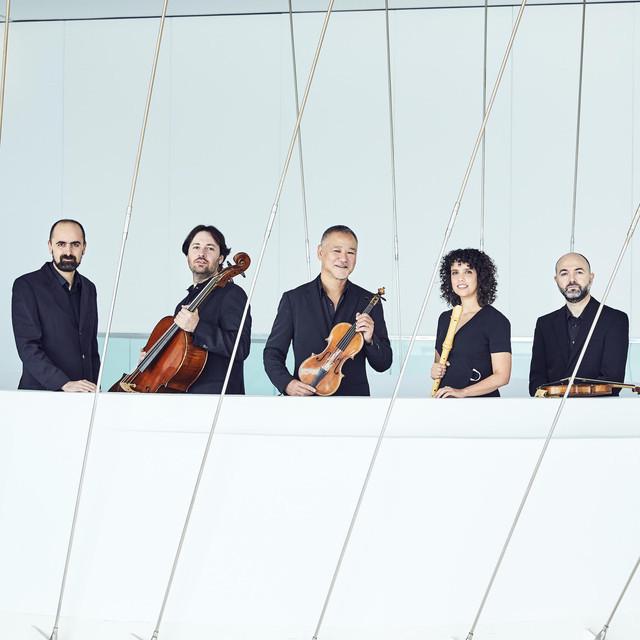
Michel Pignolet de Montéclair

Classical
Opera
Classical Crossover
 Viberate Rank: 726911
 Viberate Rank: 726911
 Monthly ListenersFollowers
 Subscribers
 Followers
 Followers
 FansTop Spotify SongsTop YouTube VideosMonthly ListenersFeatured in Playlists
| Playlist | Followers | |
|---|---|---|
1 | Barroco / Barocco / Barock / Baroque artemisa_bravo | 1.20K |
2 |  Ultimate Dark/Sad Classical brilliantos | 1.20K |
Audience| City | Monthly Listeners | |
|---|---|---|
1 |  | 39 |
2 | | 32 |
3 |  | 19 |
4 |  | 18 |
5 |  | 17 |
See full performance history, audience data, playlist activity, rankings, comparisons, and more in Viberate music analytics. Start with a free trial, then continue with a paid plan.
Michel Pignolet de Montéclair’s Spotify BioMonteclair was a French composer, theorist and teacher. He, along with Fedeli, introduced the double bass to The Opera Monteclair. He was a distinguished teacher who held the belief that learning must be fun in order to be effective. He co-founded a music shop in Paris, which became the most successful of its time. Monteclair remained a bachelor throughout his life. He did not produce a great body of work, although he wrote for nearly every genre of the 18th century except keyboard. He was influential in the development of the composer Rameau and was known as one of the most eclectic composers of the generation preceeding Rameau. His stage works are characterized by very clear directions for instruments and singers, perhaps as a result of his desire to control the dramatic color of these elements. His theoretical works are concerned for the most part with the practical application of theory. His =Principes de musique= contains an important section of 18th-century French vocal… ornamentation.
Viberate is a music analytics platform built for A&Rs, artist managers, labels, booking agents, marketers, and artists.
It helps music professionals track artist growth, analyze audience data, monitor playlist activity, compare artists, follow song performance, and identify opportunities across the music market.
Public artist pages provide a free preview of selected artist data. Paid plans provide access to deeper analytics, historical data, charts, comparisons, playlist tools, exports, alerts, reports, and additional professional features.
Yes. Public Viberate artist pages provide selected artist analytics and music data for free.
Viberate also offers a 7-day free trial of the full platform. A credit card is required to start the trial. The trial includes access to the complete product so users can test deeper artist analytics, historical views, playlist insights, comparisons, charts, exports, alerts, and reporting features before choosing a paid plan.
Viberate provides artist analytics across streaming, playlists, social media, video, radio airplay, songs, and audience markets.
Users can analyze Spotify performance, Spotify and Apple Music playlists, YouTube activity, TikTok and Instagram growth, radio spins, song performance, audience locations, demographics, rankings, and overall artist momentum.
Artist profiles also connect to music charts, similar artists, and comparison tools, helping users benchmark performance and evaluate artists in context.
Viberate updates key artist and track data daily.
For followed artists and tracks, selected data is refreshed multiple times per day. This helps teams monitor playlist changes, streaming movement, audience growth, releases, and campaign performance with more current data.
Update frequency can vary depending on the metric and data source.
Yes. Viberate lets users compare up to five artists side by side across streaming, social media, audience, and engagement metrics.
Users can compare fanbase growth, audience demographics, locations, Spotify performance, social metrics, and other artist data over selected time periods.
Artist comparison can be used for A&R scouting, benchmarking, booking decisions, campaign planning, and evaluating artists with similar audiences or market positions.