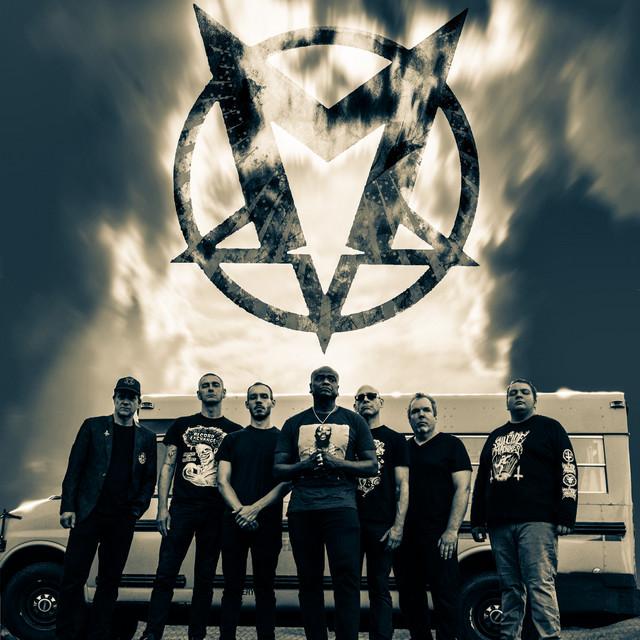
Mephiskapheles

Reggae
Ska
Ska Punk
 Viberate Rank: 166277
 Viberate Rank: 166277
 Monthly ListenersFollowers
 Subscribers
 Followers
 Followers
 FansTop Spotify Songs
| Track | 7-Day Streams | |
|---|---|---|
1 | 4.65K | |
2 | 2.80K | |
3 | 2.25K | |
4 | 765 | |
5 | 583 |
Top YouTube Videos| Video | 7-Day Views | |
|---|---|---|
1 | 285 | |
2 | 96 | |
3 | 49 | |
4 | 34 | |
5 | 20 |
Monthly ListenersFeatured in Playlists| Playlist | Followers | |
|---|---|---|
1 |  The Essential Ska Spotify | 415.26K |
2 | SKA Kevin McLaughlin | 111.43K |
3 |  Best of SKA PUNK SKA PUNK DAILY | 34.83K |
4 |  Ska Punk Essentials Kousa_cs | 33.50K |
5 |  🔥Fuck the government🔥 TheDodoKingg | 32.57K |
Audience| City | Monthly Listeners | |
|---|---|---|
1 |  | 528 |
2 | | 433 |
3 | | 346 |
4 | | 263 |
5 | | 251 |
See full performance history, audience data, playlist activity, rankings, comparisons, and more in Viberate music analytics. Start with a free trial, then continue with a paid plan.
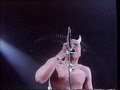
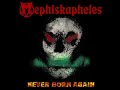
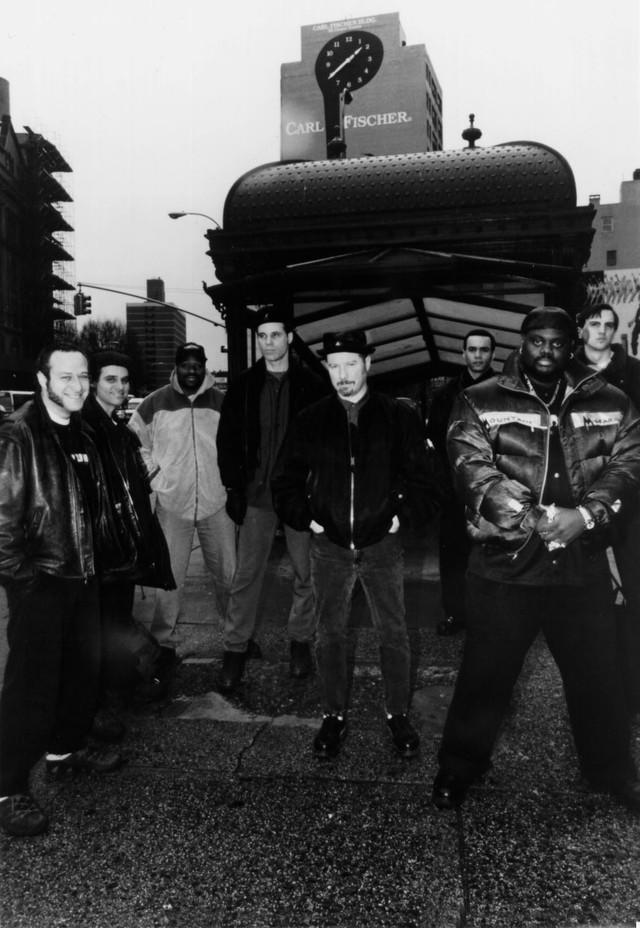
Mephiskapheles’ Spotify BioLeading the charge of the New York City ska revival scene, Mephiskapheles was formed in the East Village in 1990 by lead vocalist the Grand Invidious, guitarist Brendog and keyboardist Brian Martin. Within the course of the following months, the group's classic lineup -- also consisting of bassist Michael Bitz, trumpeter Osho Endo, alto saxophonist Alexander McCabe, and trombonist Greg Robinson -- was firmly in place, and over the next few years Mephiskapheles toured relentlessly up and down the East Coast, building a tremendous cult following. In 1994 they joined with producer Bill Laswell to record their debut LP God Bless Satan, originally issued on their own Pass the Virgin label. By 1996, with new drummer Wayne Dunton on board, Mephiskapheles toured the U.S. opening for the Buzzcocks; their second album, Maximum Perversion, was released a year later, followed in 1999 by Might-Ay White-Ay. ~ Jason Ankeny, Rovi
Viberate is a music analytics platform built for A&Rs, artist managers, labels, booking agents, marketers, and artists.
It helps music professionals track artist growth, analyze audience data, monitor playlist activity, compare artists, follow song performance, and identify opportunities across the music market.
Public artist pages provide a free preview of selected artist data. Paid plans provide access to deeper analytics, historical data, charts, comparisons, playlist tools, exports, alerts, reports, and additional professional features.
Yes. Public Viberate artist pages provide selected artist analytics and music data for free.
Viberate also offers a 7-day free trial of the full platform. A credit card is required to start the trial. The trial includes access to the complete product so users can test deeper artist analytics, historical views, playlist insights, comparisons, charts, exports, alerts, and reporting features before choosing a paid plan.
Viberate provides artist analytics across streaming, playlists, social media, video, radio airplay, songs, and audience markets.
Users can analyze Spotify performance, Spotify and Apple Music playlists, YouTube activity, TikTok and Instagram growth, radio spins, song performance, audience locations, demographics, rankings, and overall artist momentum.
Artist profiles also connect to music charts, similar artists, and comparison tools, helping users benchmark performance and evaluate artists in context.
Viberate updates key artist and track data daily.
For followed artists and tracks, selected data is refreshed multiple times per day. This helps teams monitor playlist changes, streaming movement, audience growth, releases, and campaign performance with more current data.
Update frequency can vary depending on the metric and data source.
Yes. Viberate lets users compare up to five artists side by side across streaming, social media, audience, and engagement metrics.
Users can compare fanbase growth, audience demographics, locations, Spotify performance, social metrics, and other artist data over selected time periods.
Artist comparison can be used for A&R scouting, benchmarking, booking decisions, campaign planning, and evaluating artists with similar audiences or market positions.