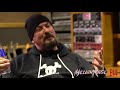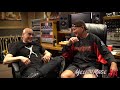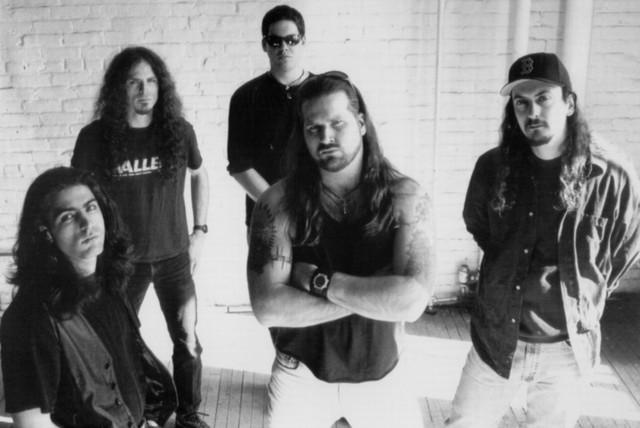
Meliah Rage

Metal
Power Metal
Thrash Metal
 Viberate Rank: 267058
 Viberate Rank: 267058
 Monthly ListenersFollowers
 Subscribers
 Followers
 Followers
 FansTop Spotify Songs
| Track | 7-Day Streams | |
|---|---|---|
1 | 587 | |
2 | 246 | |
3 | 224 | |
4 | 181 | |
5 | 164 |
Top YouTube VideosMonthly ListenersFeatured in Playlists| Playlist | Followers | |
|---|---|---|
1 |  Metal Instrumentals Samidhya Sarker Torsho | 18.16K |
2 | Ultimate 80s Metal! Michael Field | 15.41K |
3 |  Heavy Metal Instrumentals 🎸 JaviFlames | 13.79K |
4 |  '80s Underground Metal / Old School Metal Subterranean Steel | 6.31K |
5 | Thrash Daniel Höld | 4.50K |
Audience| City | Monthly Listeners | |
|---|---|---|
1 |  | 63 |
2 |  | 41 |
3 |  | 38 |
4 |  | 30 |
5 |  | 29 |
See full performance history, audience data, playlist activity, rankings, comparisons, and more in Viberate music analytics. Start with a free trial, then continue with a paid plan.
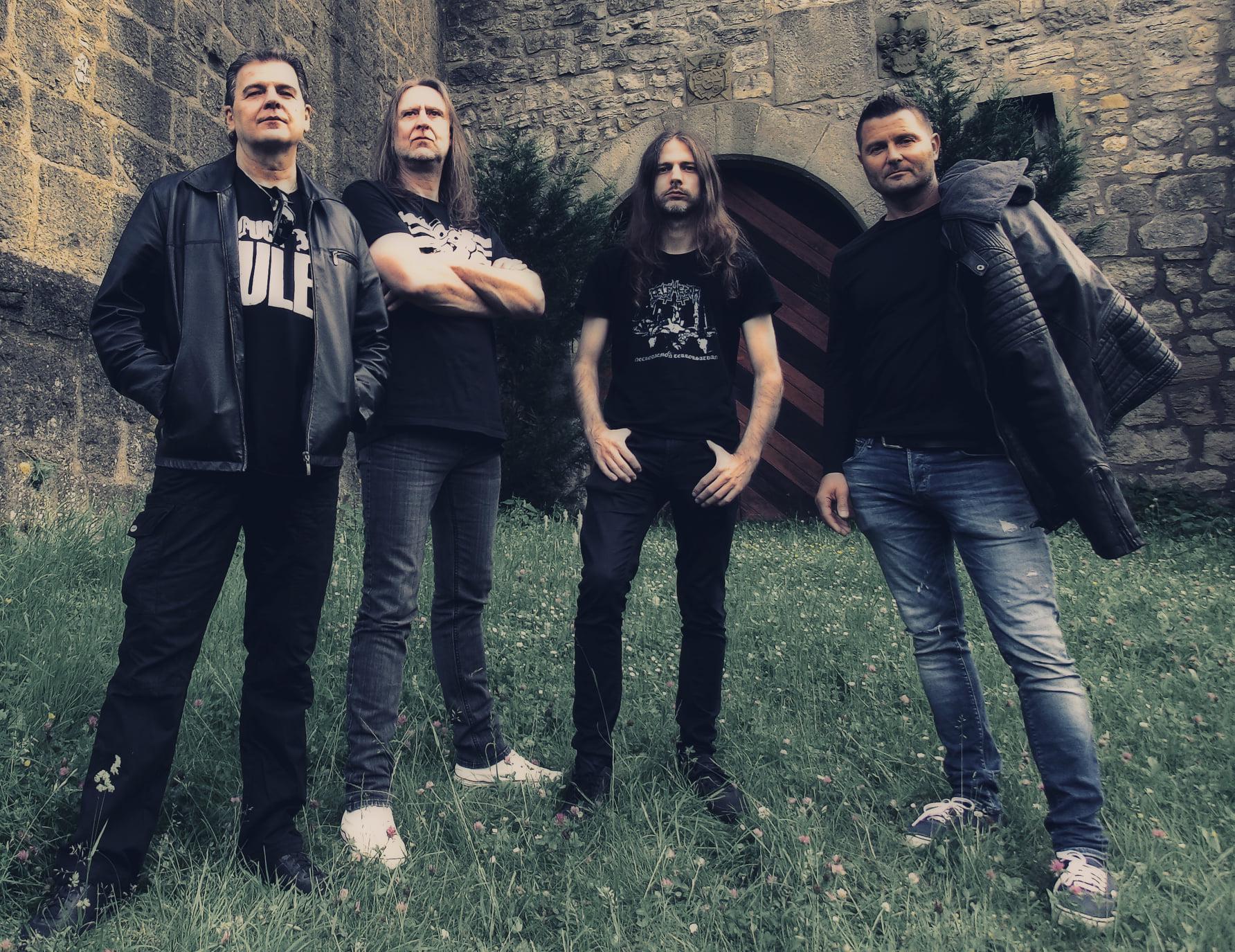
Meliah Rage’s Spotify BioComparable to Metallica, Anthrax, Megadeth, Exodus and early Testament, Meliah Rage is among the thrash metal/speed metal bands that came along in the mid-'80s. Meliah Rage isn't as well-known as those bands; nonetheless, the Boston-based outfit has enjoyed a small, enthusiastic cult following since the Ronald Reagan years. Meliah Rage was formed by guitarist Anthony Nichols in 1985; that year, Nichols (who briefly played with the Beantown punk band Gang Green) joined forces with lead singer Mike Munro, guitarist Jim Koury, drummer Stu Dowie and bassist Jesse Johnson (not to be confused with the Midwestern singer/guitarist who played with the Time and was part of Prince's Minneapolis funk rock empire in the '80s). Meliah Rage (whose name was inspired the Meliah Indian tribe's practice of taking opium before going into battle) had been creating a buzz on the Boston scene for three years when, in 1988, they landed a deal with Epic Records, which released their debut album, Kill to… Survive, that year. Meliah Rage's first studio album was followed by Live Kill (a live EP) in 1989 and the band's second full-length studio album, Solitary Solitude, in 1990. Solitary Solitude turned out to be Meliah Rage's last Epic release; in 1992, they left the Sony-owned label. It was also in 1992 that Meliah Rage went through some lineup changes. When Jesse Johnson and Stu Dowie left the band, two newcomers were hired: bassist Keith Vogele and drummer Sully Erna, who spent 18 months in Meliah Rage before going on to become the lead singer of the well-known, Boston-based alternative metal band Godsmack. During Meliah Rage's Erna/Vogele period, the band recorded a demo titled Unfinished Business and shopped it to various labels. But major labels seemed unreceptive to the demo; in 1992 and 1993, grunge was king, and A&R people were busy looking for the next Nirvana or the next Pearl Jam. Major labels seemed to feel that Meliah Rage wasn't alternative enough, although punk-influenced thrash metal and speed metal bands have generally fared much better in a post-Nevermind climate than pop-metal and hair metal bands. Around 1994, some Meliah Rage members pursued side projects, but none of them worked out -- and in 1995 (after Vogele and Erna had left), yet another Meliah Rage lineup was formed. This time, Bob Mayo (formerly of Wargasm) was on bass and Dave Barcos was on drums. After 1996's Death Valley Dream, Meliah Rage broke up. But eight years later, Meliah Rage reunited with a new 2004 lineup that united three original members -- Nichols, Koury and Johnson -- with drummer Barry Spillberg (another ex-member of Wargasm) and new lead singer Paul Souza. Nichols had expressed interest in working with original lead singer Mike Munro again, but Munro declined the offer in order to spend more time with his family -- and Souza ended up getting the gig. With that new lineup in place, Meliah Rage recorded their first album in eight years, Barely Human, which was released on Screaming Ferret Records in August 2004. ~ Alex Henderson, Rovi
Viberate is a music analytics platform built for A&Rs, artist managers, labels, booking agents, marketers, and artists.
It helps music professionals track artist growth, analyze audience data, monitor playlist activity, compare artists, follow song performance, and identify opportunities across the music market.
Public artist pages provide a free preview of selected artist data. Paid plans provide access to deeper analytics, historical data, charts, comparisons, playlist tools, exports, alerts, reports, and additional professional features.
Yes. Public Viberate artist pages provide selected artist analytics and music data for free.
Viberate also offers a 7-day free trial of the full platform. A credit card is required to start the trial. The trial includes access to the complete product so users can test deeper artist analytics, historical views, playlist insights, comparisons, charts, exports, alerts, and reporting features before choosing a paid plan.
Viberate provides artist analytics across streaming, playlists, social media, video, radio airplay, songs, and audience markets.
Users can analyze Spotify performance, Spotify and Apple Music playlists, YouTube activity, TikTok and Instagram growth, radio spins, song performance, audience locations, demographics, rankings, and overall artist momentum.
Artist profiles also connect to music charts, similar artists, and comparison tools, helping users benchmark performance and evaluate artists in context.
Viberate updates key artist and track data daily.
For followed artists and tracks, selected data is refreshed multiple times per day. This helps teams monitor playlist changes, streaming movement, audience growth, releases, and campaign performance with more current data.
Update frequency can vary depending on the metric and data source.
Yes. Viberate lets users compare up to five artists side by side across streaming, social media, audience, and engagement metrics.
Users can compare fanbase growth, audience demographics, locations, Spotify performance, social metrics, and other artist data over selected time periods.
Artist comparison can be used for A&R scouting, benchmarking, booking decisions, campaign planning, and evaluating artists with similar audiences or market positions.