Meco

R&B
Funk
Mainstream Pop
 Viberate Rank: 129212
 Viberate Rank: 129212
 Monthly ListenersFollowers
 Subscribers
 Followers
 Followers
 FansTop Spotify Songs
| Track | 7-Day Streams | |
|---|---|---|
1 | 8.74K | |
2 | 3.00K | |
3 | 1.19K | |
4 | 515 | |
5 | 479 |
Top YouTube VideosMonthly ListenersFeatured in Playlists| Playlist | Followers | |
|---|---|---|
1 |  Disco Funk music 🕺 70 80 90 📻 Enzo Pianzola Mr. Trend | 62.14K |
2 | Zoé, DLD, Café Tacuba, Telefunka, Caifanes, Amigos Invisibles Karla de la Cruz | 26.21K |
3 | 70’s Disco Darrelle Cocozza | 26.21K |
4 | disco music 70s y 80s Felix Medrano | 18.93K |
5 |  Ayrton Senna vibes f1 🏎️ ℛ𝒾𝓆𝓊ℯ | 18.36K |
Audience| City | Monthly Listeners | |
|---|---|---|
1 |  | 886 |
2 |  | 663 |
3 | | 484 |
4 | | 427 |
5 | | 411 |
See full performance history, audience data, playlist activity, rankings, comparisons, and more in Viberate music analytics. Start with a free trial, then continue with a paid plan.
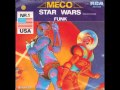
Meco’s Spotify BioProducer and studio musician Meco marked a confluence of the two dominant pop-culture preoccupations of the late '70s, shooting to fame on the heels of a chart-topping disco rendition of the theme to Star Wars. Born Meco Monardo in Johnsonburg, PA in 1939, he took up the trombone at the age of nine, and later earned a scholarship to the Eastman School of Music in Rochester, NY. There Meco formed a jazz trio with fellow students Chuck Mangione and Ron Carter, later enlisting with the West Point Army Band. From 1965 to 1974, Meco worked as a studio player, and also landed a number of arranging gigs, most notably on Tommy James' "Crystal Blue Persuasion." He additionally arranged and performed the music on a series of television commercials.
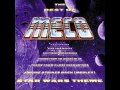
Meco's breakthrough arrived in 1974 when he co-produced the Gloria Gaynor smash "Never Can Say Goodbye," followed by the Carol Douglas masterpiece "Doctor's Orders." In 1977, Meco saw the George Lucas film Star Wars on the day of its release and… quickly became obsessed, seeing the picture numerous times; while admiring producer John Williams' score, he felt the music lacked commercial possibilities, and soon contacted Casablanca Records chief Neil Bogart about the possibility of a disco version. Working with veteran Broadway arranger Harold Wheeler, Meco recorded Star Wars and Other Galactic Funk; soon the first single, "Star Wars Theme/Cantina Band," rose to number one. Although he recorded similar music inspired by films including The Wizard of Oz and Close Encounters of the Third Kind, Meco remained most closely associated with Star Wars, even recording a highly successful Christmas album based on the movie; he retired from music in 1985, later working as a commodities broker in Florida. ~ Jason Ankeny, Rovi
Viberate is a music analytics platform built for A&Rs, artist managers, labels, booking agents, marketers, and artists.
It helps music professionals track artist growth, analyze audience data, monitor playlist activity, compare artists, follow song performance, and identify opportunities across the music market.
Public artist pages provide a free preview of selected artist data. Paid plans provide access to deeper analytics, historical data, charts, comparisons, playlist tools, exports, alerts, reports, and additional professional features.
Yes. Public Viberate artist pages provide selected artist analytics and music data for free.
Viberate also offers a 7-day free trial of the full platform. A credit card is required to start the trial. The trial includes access to the complete product so users can test deeper artist analytics, historical views, playlist insights, comparisons, charts, exports, alerts, and reporting features before choosing a paid plan.
Viberate provides artist analytics across streaming, playlists, social media, video, radio airplay, songs, and audience markets.
Users can analyze Spotify performance, Spotify and Apple Music playlists, YouTube activity, TikTok and Instagram growth, radio spins, song performance, audience locations, demographics, rankings, and overall artist momentum.
Artist profiles also connect to music charts, similar artists, and comparison tools, helping users benchmark performance and evaluate artists in context.
Viberate updates key artist and track data daily.
For followed artists and tracks, selected data is refreshed multiple times per day. This helps teams monitor playlist changes, streaming movement, audience growth, releases, and campaign performance with more current data.
Update frequency can vary depending on the metric and data source.
Yes. Viberate lets users compare up to five artists side by side across streaming, social media, audience, and engagement metrics.
Users can compare fanbase growth, audience demographics, locations, Spotify performance, social metrics, and other artist data over selected time periods.
Artist comparison can be used for A&R scouting, benchmarking, booking decisions, campaign planning, and evaluating artists with similar audiences or market positions.