Stu Phillips

Classical
Classical Crossover
Orchestral
Dance
 Viberate Rank: 159170
 Viberate Rank: 159170
 Monthly ListenersFollowers
 Subscribers
 Followers
 Followers
 FansTop Spotify Songs
| Track | 7-Day Streams | |
|---|---|---|
1 | 17.98K | |
2 | 17.29K | |
3 | 3.56K | |
4 | 1.86K | |
5 | 731 |
Top YouTube VideosMonthly ListenersFeatured in Playlists| Playlist | Followers | |
|---|---|---|
1 |  Best of Movie, TV & Game Soundtracks by GuiguiF Guillaume Flahaut | 53.67K |
2 |  80s Training/Sports Music Mike Widmer | 46.99K |
3 |  Fear And Loathing in Las Vegas Soundtrack devin0835 | 28.41K |
4 |  God & Country Music Braden Smith | 15.50K |
5 |  Soundtracks Luca ElRey | 15.50K |
Audience| City | Monthly Listeners | |
|---|---|---|
1 |  | 951 |
2 |  | 769 |
3 | | 669 |
4 | | 646 |
5 | | 562 |
See full performance history, audience data, playlist activity, rankings, comparisons, and more in Viberate music analytics. Start with a free trial, then continue with a paid plan.
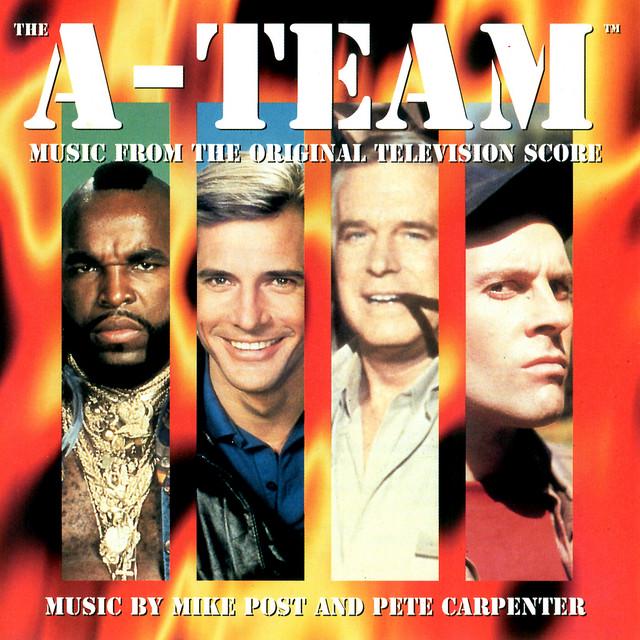
Stu Phillips’ Spotify BioComposer and producer Stu Phillips enjoyed one of the longest and most far-ranging careers of the rock & roll era, working not just in popular music but also in film and television on his way to amassing a body of work as eclectic as any of his contemporaries. Born September 9, 1929, Phillips studied at New York City's High School of Music and Art, followed by a stint at the Eastman School of Music, where he also moonlighted as an arranger for the Rochester Civic Orchestra. He entered show business proper as a copyist for television's legendary Milton Berle Texaco Hour before landing with Capitol Records and assisting composer Harry Revel and theremin virtuoso Dr. Samuel J. Hoffman on the space age pop landmark Music from Outer Space. Phillips also headlined a series of easy listening records including Organ and Strings in Stereo, and in 1958 began writing and conducting music for the TV hit The Donna Reed Show. He was named head of A&R for Colpix Records in 1960, and there he produced… a series of pop smashes including the Marcels' "Blue Moon," Shelley Fabares' "Johnny Angel," Paul Petersen's "My Dad," and James Darren's "Goodbye, Cruel World."
In 1964 he returned to Capitol, masterminding the Hollyridge Strings, a catch-all name for a series of studio orchestra renditions of then-current pop hits -- the first, The Beatles Song Book, was a Top Ten hit and preceded similarly syrupy collections of hits by Elvis Presley, the Beach Boys, the Four Seasons, and Simon & Garfunkel. (At one point in time, no fewer than three different Hollyridge Strings LPs hovered in the Billboard Top 20.) While at Capitol, he also headlined his own Feels Like Lovin', a minor classic of '60s soft pop. A stint as head of West Coast A&R for Epic Records followed, with Phillips helming sessions for the Doodletown Pipers, Nancy Ames, Bob Crane, and the Golden Gate Strings, an ad-hoc studio group in the manner of the Hollyridge Strings. (The Golden Gate Strings' Stu Phillips Presents: The Monkees Songbook, long a favorite among fans of pre-Fab Four kitsch, earned a CD reissue in 2017.) He also expanded into film work, scoring a handful of low-budget features like 1964's Ride the Wild Surf and 1966's Dead Heat on a Merry-Go-Round.
Perhaps Phillips' greatest and most notorious project remains his score for the 1970 Russ Meyer camp classic Beyond the Valley of the Dolls -- a delirious ode to sex, drugs, and rock & roll spotlighting a buxom all-girl band dubbed the Carrie Nations; its Phillips-composed soundtrack was a much sought-after classic for years until its 2003 CD re-release on the Harkit label. In 1974 Phillips landed at Universal Studios, where in the years to follow he composed the music for television hits including The Six Million Dollar Man, Quincy, Battlestar Galactica, and Knight Rider. He published his autobiography, Stu Who?, in 2003.
Viberate is a music analytics platform built for A&Rs, artist managers, labels, booking agents, marketers, and artists.
It helps music professionals track artist growth, analyze audience data, monitor playlist activity, compare artists, follow song performance, and identify opportunities across the music market.
Public artist pages provide a free preview of selected artist data. Paid plans provide access to deeper analytics, historical data, charts, comparisons, playlist tools, exports, alerts, reports, and additional professional features.
Yes. Public Viberate artist pages provide selected artist analytics and music data for free.
Viberate also offers a 7-day free trial of the full platform. A credit card is required to start the trial. The trial includes access to the complete product so users can test deeper artist analytics, historical views, playlist insights, comparisons, charts, exports, alerts, and reporting features before choosing a paid plan.
Viberate provides artist analytics across streaming, playlists, social media, video, radio airplay, songs, and audience markets.
Users can analyze Spotify performance, Spotify and Apple Music playlists, YouTube activity, TikTok and Instagram growth, radio spins, song performance, audience locations, demographics, rankings, and overall artist momentum.
Artist profiles also connect to music charts, similar artists, and comparison tools, helping users benchmark performance and evaluate artists in context.
Viberate updates key artist and track data daily.
For followed artists and tracks, selected data is refreshed multiple times per day. This helps teams monitor playlist changes, streaming movement, audience growth, releases, and campaign performance with more current data.
Update frequency can vary depending on the metric and data source.
Yes. Viberate lets users compare up to five artists side by side across streaming, social media, audience, and engagement metrics.
Users can compare fanbase growth, audience demographics, locations, Spotify performance, social metrics, and other artist data over selected time periods.
Artist comparison can be used for A&R scouting, benchmarking, booking decisions, campaign planning, and evaluating artists with similar audiences or market positions.