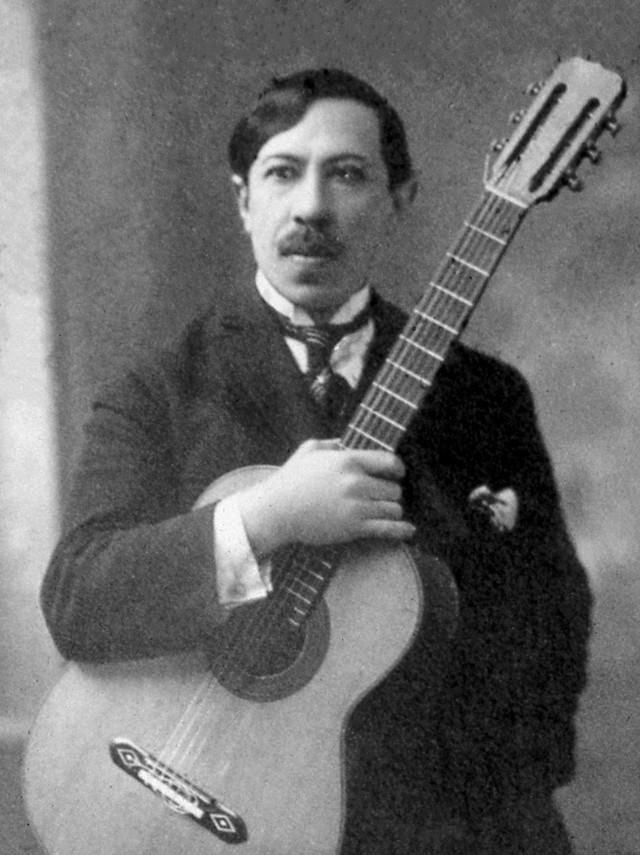
Maximo Diego Pujol

Classical
Classical Crossover
 Viberate Rank: 207010
 Viberate Rank: 207010
 Monthly ListenersFollowers
 Subscribers
 Followers
 Followers
 FansTop Spotify Songs
| Track | 7-Day Streams | |
|---|---|---|
1 | 5.71K | |
2 | 5.12K | |
3 | 4.82K | |
4 | 4.04K | |
5 | 2.70K |
Top YouTube Videos| Video | 7-Day Views | |
|---|---|---|
1 | 54 | |
2 | 16 | |
3 | 11 | |
4 | 9 | |
5 | 4 |
Monthly ListenersFeatured in Playlists| Playlist | Followers | |
|---|---|---|
1 |  Classical Bangers 🎹🎻 Classical Bangers | 1.25M |
2 |  study music that is actually motivating Study Mode Classics | 241.46K |
3 |  Relaxing Classical Guitar Spotify | 235.31K |
4 |  Just Focus ' Radio Odin | 84.73K |
5 |  Spanish Flamenco Guitar Carpe Diem | 59.69K |
Audience| City | Monthly Listeners | |
|---|---|---|
1 |  | 887 |
2 |  | 594 |
3 |  | 585 |
4 |  | 557 |
5 |  | 545 |
See full performance history, audience data, playlist activity, rankings, comparisons, and more in Viberate music analytics. Start with a free trial, then continue with a paid plan.
Maximo Diego Pujol’s Spotify BioMáximo Pujol (b. 1957) is a composer, performer and teacher whose work is inspired by the musical heritage of his native Argentina. He draws on the music of the region around the Río de la Plata, as well as from the different musical forms found in other parts of Argentina. His compositions fuse these elements with more formal European arrangements.
Pujol’s extensive output is widely acknowledged to have enriched the repertoire for guitar. His compositions are published by important publishers in Europe, Canada and United States and have been performed and recorded by guitarists, chamber groups and orchestras worldwide.
www.maximopujol.com
Máximo Pujol (Buenos Aires, 1957) trabaja a partir de la herencia musical de su Argentina natal, en especial de los géneros musicales rioplatenses - tango, vals, milonga, candombe - como así también de los diferentes géneros de las distintas regiones del país. El objetivo final es la fusión de este acervo cultural con el pensamiento formal académico… europeo.
Su prolífica producción ha enriquecido notablemente el repertorio para guitarra y le ha valido el respeto y reconocimiento del mundo musical. Sus obras son publicadas por destacadas editoriales de Europa, Canadá y Estados Unidos, y son ejecutadas y grabadas por guitarristas y agrupaciones de cámara y orquestales en todo el mundo.
www.maximopujol.com
Viberate is a music analytics platform built for A&Rs, artist managers, labels, booking agents, marketers, and artists.
It helps music professionals track artist growth, analyze audience data, monitor playlist activity, compare artists, follow song performance, and identify opportunities across the music market.
Public artist pages provide a free preview of selected artist data. Paid plans provide access to deeper analytics, historical data, charts, comparisons, playlist tools, exports, alerts, reports, and additional professional features.
Yes. Public Viberate artist pages provide selected artist analytics and music data for free.
Viberate also offers a 7-day free trial of the full platform. A credit card is required to start the trial. The trial includes access to the complete product so users can test deeper artist analytics, historical views, playlist insights, comparisons, charts, exports, alerts, and reporting features before choosing a paid plan.
Viberate provides artist analytics across streaming, playlists, social media, video, radio airplay, songs, and audience markets.
Users can analyze Spotify performance, Spotify and Apple Music playlists, YouTube activity, TikTok and Instagram growth, radio spins, song performance, audience locations, demographics, rankings, and overall artist momentum.
Artist profiles also connect to music charts, similar artists, and comparison tools, helping users benchmark performance and evaluate artists in context.
Viberate updates key artist and track data daily.
For followed artists and tracks, selected data is refreshed multiple times per day. This helps teams monitor playlist changes, streaming movement, audience growth, releases, and campaign performance with more current data.
Update frequency can vary depending on the metric and data source.
Yes. Viberate lets users compare up to five artists side by side across streaming, social media, audience, and engagement metrics.
Users can compare fanbase growth, audience demographics, locations, Spotify performance, social metrics, and other artist data over selected time periods.
Artist comparison can be used for A&R scouting, benchmarking, booking decisions, campaign planning, and evaluating artists with similar audiences or market positions.