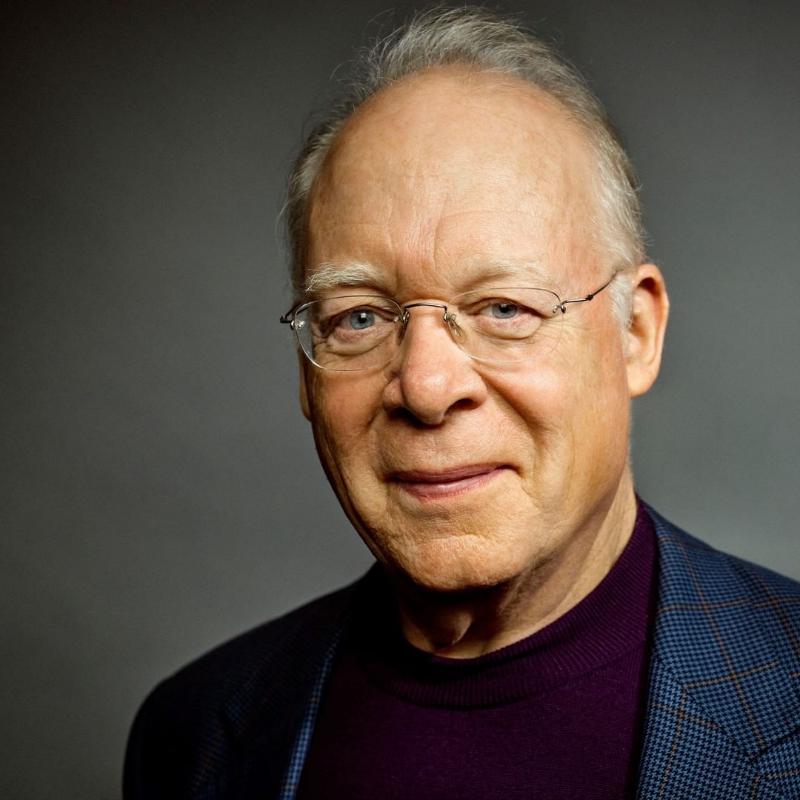
Maxim Rysanov

Classical
Orchestral
Chamber Music
 Viberate Rank: 207020
 Viberate Rank: 207020
 Monthly ListenersFollowers
 Subscribers
 Followers
 Followers
 FansTop Spotify SongsTop YouTube Videos
| Video | 7-Day Views | |
|---|---|---|
1 | 574 | |
2 | 332 | |
3 | 184 | |
4 | 154 | |
5 | 105 |
Monthly ListenersFeatured in Playlists| Playlist | Followers | |
|---|---|---|
1 |  Best Classical Music Peaceful Classics | 857.62K |
2 |  This Is Brahms Spotify | 132.63K |
3 | Gerson Berrio | 51.62K |
4 |  VIOLONCELLO Barko | 37.70K |
5 |  Klassieke Top 400 (2026) | NPO Klassiek NPO Klassiek | 24.19K |
Audience| City | Monthly Listeners | |
|---|---|---|
1 | | 530 |
2 |  | 446 |
3 |  | 374 |
4 |  | 354 |
5 |  | 339 |
See full performance history, audience data, playlist activity, rankings, comparisons, and more in Viberate music analytics. Start with a free trial, then continue with a paid plan.
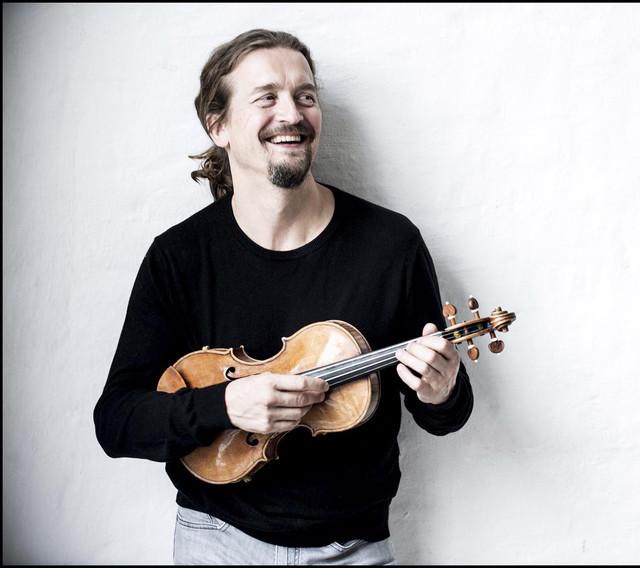
Maxim Rysanov’s Spotify BioViolist Maxim Rysanov, who has spent much of his career in Britain, is one of the world's preeminent players of his instrument. When famed Russian violist Yuri Bashmet heard Rysanov play, he is said to have remarked, "My rival has arrived!" Rysanov also pursues a parallel career as a conductor.
Rysanov was born in Kramatorsk in eastern Ukraine, then part of the Soviet Union, in 1978. He was sent to the Central Special Music School in Moscow, where he studied with Maria Sitkovskaya, and then took advantage of Russia's opening to the West in the 1990s and enrolled at the Guildhall School of Music and Drama in London. There, he studied viola with John Glickman and conducting with Alan Hazeldine. In 2000, he won Guildhall's gold medal. As a violist, Rysanov has had a high-flying career since winning designation as a BBC New Generation Artist in 2007 and winning the Gramophone Young Artist of the Year in 2008. He has played concertos with leading orchestras in both East and West, including… the Mariinsky Orchestra of St. Petersburg, the BBC Symphony, and the Seattle Symphony. An enthusiastic supporter of contemporary music, Rysanov has collaborated with such composers as Giya Kancheli, Peteris Vasks, and Krzysztof Penderecki, whose double concerto he performed under the composer's direction in its world premiere in Moscow. He has played in chamber ensembles with such top-tier artists as Leif Ove Andsnes, Nicola Benedetti, and Gidon Kremer. Rysanov took master classes in conducting with Gennady Rozhdestvensky, Jorma Panula, and Oleg Caetani. He has conducted, among many other groups, the Basel Symphony Orchestra, the Russian National Orchestra, and I Musici de Montréal.
Rysanov made his recording debut in 2007 with a recital of works by Brahms, Frank Bridge, and George Enescu. He has gone on to record mostly for the Onyx and BIS labels, recording both mainstream repertory and contemporary music. In 2020, he made the first recording of Vasks' Viola Concerto and String Symphony ("Voices") with the Sinfonietta Riga, serving as both violist and conductor. As of the early 2020s, composer Gabriel Prokofiev was at work on a symphony-concerto for Rysanov that would require him to both play and conduct.
Viberate is a music analytics platform built for A&Rs, artist managers, labels, booking agents, marketers, and artists.
It helps music professionals track artist growth, analyze audience data, monitor playlist activity, compare artists, follow song performance, and identify opportunities across the music market.
Public artist pages provide a free preview of selected artist data. Paid plans provide access to deeper analytics, historical data, charts, comparisons, playlist tools, exports, alerts, reports, and additional professional features.
Yes. Public Viberate artist pages provide selected artist analytics and music data for free.
Viberate also offers a 7-day free trial of the full platform. A credit card is required to start the trial. The trial includes access to the complete product so users can test deeper artist analytics, historical views, playlist insights, comparisons, charts, exports, alerts, and reporting features before choosing a paid plan.
Viberate provides artist analytics across streaming, playlists, social media, video, radio airplay, songs, and audience markets.
Users can analyze Spotify performance, Spotify and Apple Music playlists, YouTube activity, TikTok and Instagram growth, radio spins, song performance, audience locations, demographics, rankings, and overall artist momentum.
Artist profiles also connect to music charts, similar artists, and comparison tools, helping users benchmark performance and evaluate artists in context.
Viberate updates key artist and track data daily.
For followed artists and tracks, selected data is refreshed multiple times per day. This helps teams monitor playlist changes, streaming movement, audience growth, releases, and campaign performance with more current data.
Update frequency can vary depending on the metric and data source.
Yes. Viberate lets users compare up to five artists side by side across streaming, social media, audience, and engagement metrics.
Users can compare fanbase growth, audience demographics, locations, Spotify performance, social metrics, and other artist data over selected time periods.
Artist comparison can be used for A&R scouting, benchmarking, booking decisions, campaign planning, and evaluating artists with similar audiences or market positions.