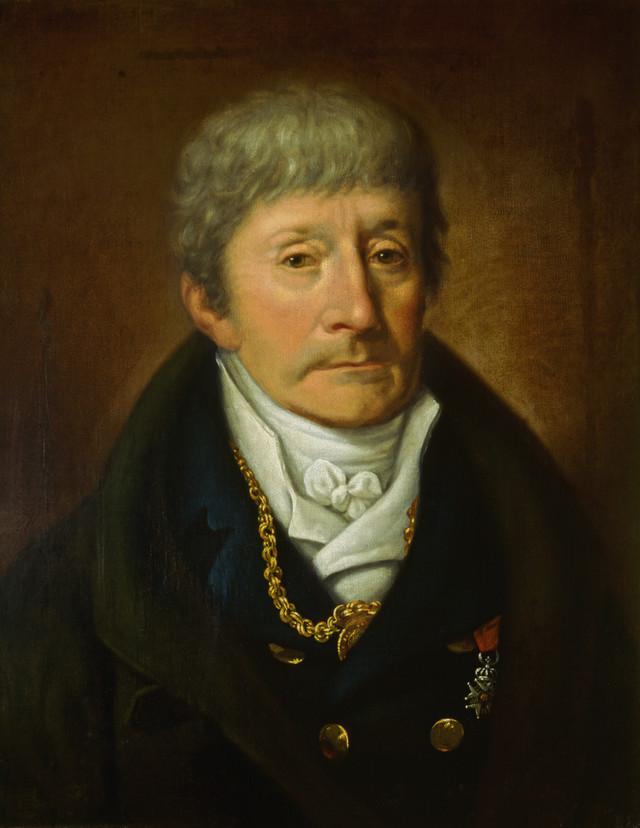
Matthias Bamert

Classical
Classical Crossover
Chamber Music
 Viberate Rank: 161258
 Viberate Rank: 161258
 Monthly ListenersFollowers
 Subscribers
 Followers
 Followers
 FansTop Spotify Songs
| Track | 7-Day Streams | |
|---|---|---|
1 | 13.69K | |
2 | 3.77K | |
3 | 2.81K | |
4 | 2.50K | |
5 | 2.03K |
Top YouTube VideosMonthly ListenersFeatured in Playlists| Playlist | Followers | |
|---|---|---|
1 |  Classical Study Music for Focus 🎻🎶 Prime Feelings | 191.80K |
2 |  Lo MEJOR de la MUSICA CLASICA 🎹 🔱 THEOCIDE STUDIOS 🔱 | 100.61K |
3 |  Mozart in the Jungle Ezgi Varol | 31.88K |
4 |  Sad,very sad, classical music Peer Wijntjes | 12.86K |
5 | Forza Horizon 3 (Official Tracks) Jeffrey Paarhuis | 11.83K |
Audience| City | Monthly Listeners | |
|---|---|---|
1 |  | 2.26K |
2 |  | 1.92K |
3 |  | 1.72K |
4 |  | 1.20K |
5 |  | 1.14K |
See full performance history, audience data, playlist activity, rankings, comparisons, and more in Viberate music analytics. Start with a free trial, then continue with a paid plan.
Matthias Bamert’s Spotify BioAlthough he has a solid reputation as a conductor of the standard repertory, Matthias Bamert is best known for his work on behalf of new music, obscure 18th century music, and neglected music from all eras (especially in a long series of recordings for Chandos). He is also known for his participation in provocative classical music videos directed by Adrian Marthaler. Bamert studied music in his native Switzerland, as well as in Darmstadt and Paris, falling in with the likes of Boulez and Stockhausen; these associations can be detected in his own compositions from the 1970s. He spent from 1965 to 1969 as principal oboist with the Salzburg Mozart Orchestra, but then switched to conducting. He assisted Stokowski at the American Symphony Orchestra in 1970 and 1971, then joined the Cleveland Orchestra's conducting staff. He was music director of the Swiss Radio Orchestra (1977-1983), then began making a wider reputation across Europe. He was principal guest conductor of the Scottish… National Orchestra from 1985 to 1990. Bamert served as artistic director of the Lucerne Festival (1992-1998) (where he made inroads in thematic programming) and of the London Mozart Players (1993-2000). In 2000, he became principal guest conductor of the New Zealand Symphony. Bamert is known to be a quick study, able to master new scores in very little time, and bring off highly effective premieres in concert and on CD. His most notable recordings include symphonies of Gossec, concert music by Korngold, the orchestral works of Martin, and a series devoted to Stokowski arrangements.
Viberate is a music analytics platform built for A&Rs, artist managers, labels, booking agents, marketers, and artists.
It helps music professionals track artist growth, analyze audience data, monitor playlist activity, compare artists, follow song performance, and identify opportunities across the music market.
Public artist pages provide a free preview of selected artist data. Paid plans provide access to deeper analytics, historical data, charts, comparisons, playlist tools, exports, alerts, reports, and additional professional features.
Yes. Public Viberate artist pages provide selected artist analytics and music data for free.
Viberate also offers a 7-day free trial of the full platform. A credit card is required to start the trial. The trial includes access to the complete product so users can test deeper artist analytics, historical views, playlist insights, comparisons, charts, exports, alerts, and reporting features before choosing a paid plan.
Viberate provides artist analytics across streaming, playlists, social media, video, radio airplay, songs, and audience markets.
Users can analyze Spotify performance, Spotify and Apple Music playlists, YouTube activity, TikTok and Instagram growth, radio spins, song performance, audience locations, demographics, rankings, and overall artist momentum.
Artist profiles also connect to music charts, similar artists, and comparison tools, helping users benchmark performance and evaluate artists in context.
Viberate updates key artist and track data daily.
For followed artists and tracks, selected data is refreshed multiple times per day. This helps teams monitor playlist changes, streaming movement, audience growth, releases, and campaign performance with more current data.
Update frequency can vary depending on the metric and data source.
Yes. Viberate lets users compare up to five artists side by side across streaming, social media, audience, and engagement metrics.
Users can compare fanbase growth, audience demographics, locations, Spotify performance, social metrics, and other artist data over selected time periods.
Artist comparison can be used for A&R scouting, benchmarking, booking decisions, campaign planning, and evaluating artists with similar audiences or market positions.