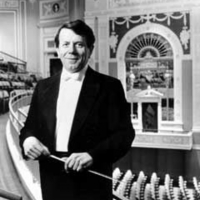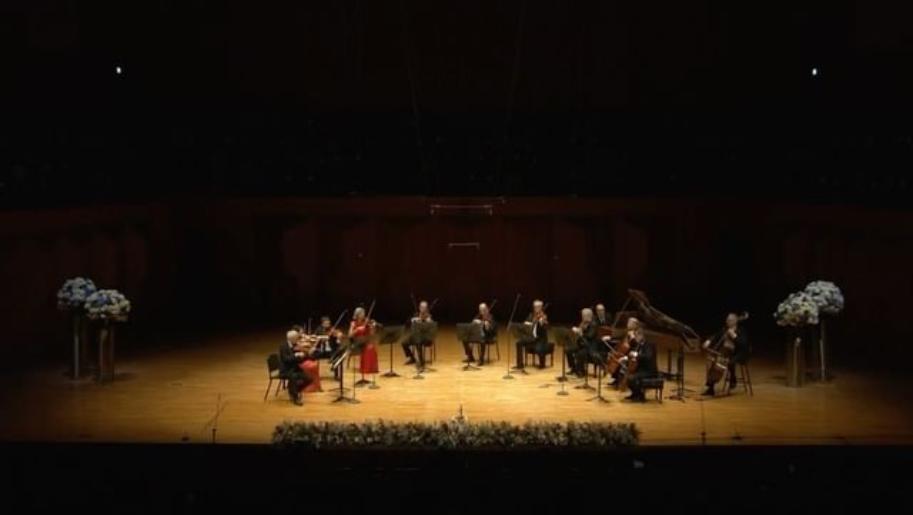
Iona Brown
Classical
Chamber Music
 Viberate Rank: 128878
 Viberate Rank: 128878
 Monthly ListenersFollowers
 Subscribers
 Followers
 Followers
 FansTop Spotify SongsTop YouTube VideosMonthly ListenersFeatured in Playlists
| Playlist | Followers | |
|---|---|---|
1 |  This Is Mozart Spotify | 1.16M |
2 |  Feel Good Classical Spotify | 283.10K |
3 | phillysblunt | 127.21K |
4 |  funeral Ryuichi Sakamoto | 110.90K |
5 |  Easy Listening Classical For Study, Work, Relaxing, Chillout, Anything But Serious Listening Ulysses' Classical | 99.25K |
Audience| City | Monthly Listeners | |
|---|---|---|
1 |  | 4.40K |
2 |  | 2.27K |
3 |  | 2.11K |
4 |  | 2.05K |
5 | | 1.92K |
See full performance history, audience data, playlist activity, rankings, comparisons, and more in Viberate music analytics. Start with a free trial, then continue with a paid plan.
Iona Brown’s Spotify BioIona Brown, violinist and conductor, was best known for her work with chamber orchestras. Her family was a highly musical one, and she was encouraged to explore her talents from a young age. She joined the National Youth Orchestra of Great Britain in 1955, remaining with it for five years. She was then sent to the Continent to study; her teachers were Hugh Maguire in London, Remy Principe in Rome, and Henryk Szeryng in Paris and Nice. She also studied music in Vienna and Brussels.
While also working in the Philharmonia Orchestra (1963-1966), Brown joined the Academy of St. Martin-in-the-Fields in 1964 as a violinist and quickly developed an interest in conducting. She made her debut as conductor of a Proms concert in 1965, appearing regularly with the Academy ever since. In 1974 Marriner decreased the time he spend with the Academy, naming Brown as artistic director. Since then she has often conducted the Academy in concert and on a large number of recordings, primarily on the Philips l…abel. In 1981 she also became artistic and music director of the Norwegian Chamber Orchestra. She brought it into the front rank of international rank chamber ensembles; in 1987 she received an appointment as music director of the Los Angeles Chamber Orchestra. She conducted many of the world's major symphony orchestras, including the Saint Louis Symphony, the San Francisco Symphony, and the City of Birmingham Symphony Orchestra (of which she was guest director from 1985 to 1989). In 1996 she was appointed chief conductor of the Danish Philharmonic Orchestra.
As a violinist, she recorded Bartók's Second Violin Concerto and David Blake's violin concerto, which was written for her. She was awarded the Order of the British Empire in 1986 and the Knight of First Class Order of Merit of Norway in 1991.
Viberate is a music analytics platform built for A&Rs, artist managers, labels, booking agents, marketers, and artists.
It helps music professionals track artist growth, analyze audience data, monitor playlist activity, compare artists, follow song performance, and identify opportunities across the music market.
Public artist pages provide a free preview of selected artist data. Paid plans provide access to deeper analytics, historical data, charts, comparisons, playlist tools, exports, alerts, reports, and additional professional features.
Yes. Public Viberate artist pages provide selected artist analytics and music data for free.
Viberate also offers a 7-day free trial of the full platform. A credit card is required to start the trial. The trial includes access to the complete product so users can test deeper artist analytics, historical views, playlist insights, comparisons, charts, exports, alerts, and reporting features before choosing a paid plan.
Viberate provides artist analytics across streaming, playlists, social media, video, radio airplay, songs, and audience markets.
Users can analyze Spotify performance, Spotify and Apple Music playlists, YouTube activity, TikTok and Instagram growth, radio spins, song performance, audience locations, demographics, rankings, and overall artist momentum.
Artist profiles also connect to music charts, similar artists, and comparison tools, helping users benchmark performance and evaluate artists in context.
Viberate updates key artist and track data daily.
For followed artists and tracks, selected data is refreshed multiple times per day. This helps teams monitor playlist changes, streaming movement, audience growth, releases, and campaign performance with more current data.
Update frequency can vary depending on the metric and data source.
Yes. Viberate lets users compare up to five artists side by side across streaming, social media, audience, and engagement metrics.
Users can compare fanbase growth, audience demographics, locations, Spotify performance, social metrics, and other artist data over selected time periods.
Artist comparison can be used for A&R scouting, benchmarking, booking decisions, campaign planning, and evaluating artists with similar audiences or market positions.